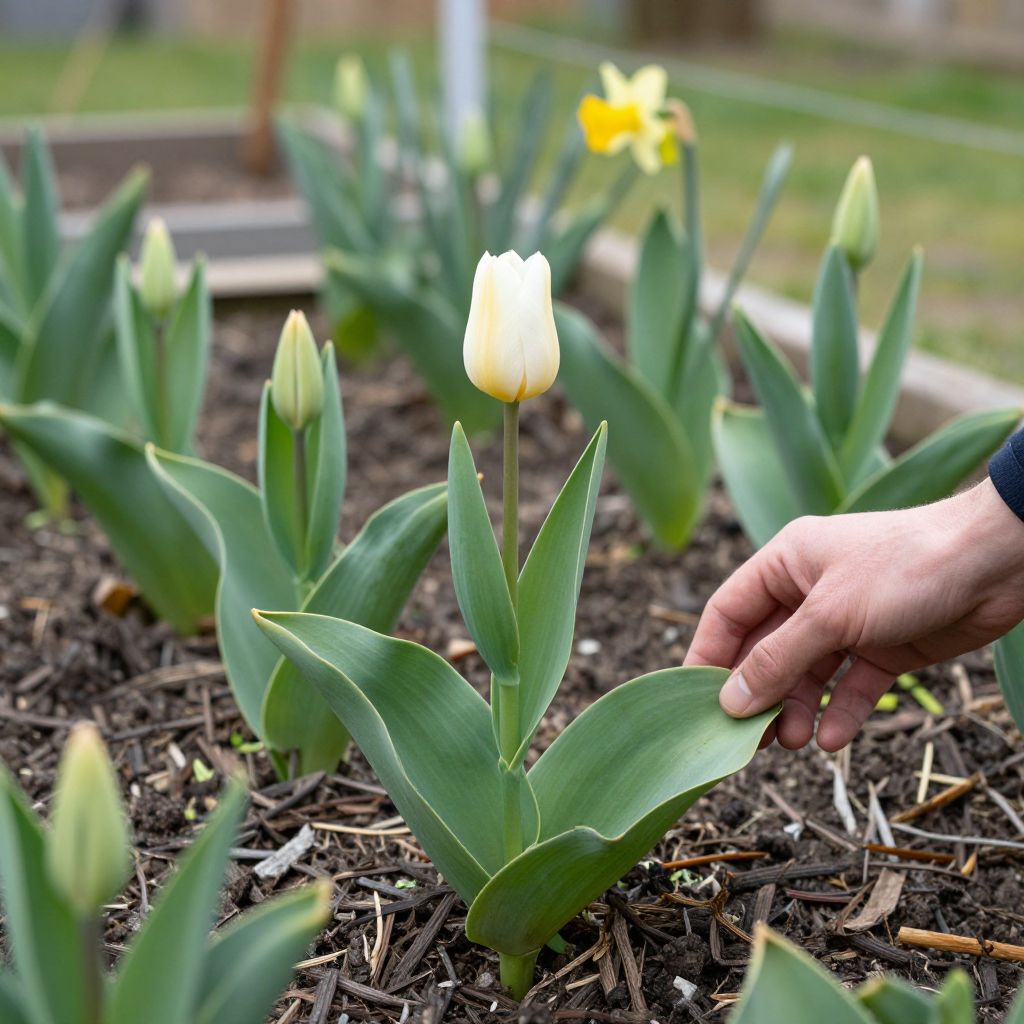
When do flowers bloom? The short answer is: it depends on the plant, your climate, and the conditions in your garden. Some flowers open in early spring, others peak in summer, and many bloom again in fall if they’re healthy and well cared for.
If you want more flowers at the right time, the key is to match the plant to the season, give it enough sun, water, and soil drainage, and avoid the common mistakes that delay blooming. Here’s how flowering timing works and how to encourage reliable blooms.
When do flowers bloom?
Flowers bloom when a plant reaches the right stage of growth and the conditions are suitable for flowering. Spring bloomers often respond to warming temperatures and longer days, summer bloomers need heat and strong light, and fall bloomers usually begin after the days shorten. Local climate, planting time, and plant health all affect the bloom window.
What determines bloom time?
Blooming is influenced by a plant’s genetics, weather, and care. Some species are triggered by day length, some by temperature, and some by age or size. A young plant may grow leaves for a season or two before it blooms, even if the same species flowers earlier in another garden.
Key factors that affect flowering
- Season and temperature: Cool-season flowers usually bloom in spring or fall, while warm-season flowers prefer late spring through summer.
- Sunlight: Many flowering plants need at least 6 hours of direct sun to bloom well.
- Plant maturity: Newly planted perennials, shrubs, and trees often need time to establish before flowering heavily.
- Pruning timing: Pruning at the wrong time can remove flower buds on some plants.
- Soil and water: Poor drainage, drought stress, or overly rich soil can reduce blooms.
- Climate: A mild winter, late frost, heat wave, or unusual rainfall can shift bloom timing by weeks.
Typical bloom seasons for common flowers
There is no single bloom calendar that fits every garden, but most flowers fall into broad seasonal groups. Use these as a guide, then adjust for your local frost dates, heat, and rainfall patterns.
Spring bloomers
Spring flowers usually bloom from late winter to late spring, depending on your region. Many are triggered by cooling in winter followed by warming soil and longer days.
- Tulips and daffodils
- Crocus and hyacinths
- Peonies
- Bleeding heart
- Forsythia and lilac
Summer bloomers
Summer bloomers often start in late spring and continue through the hottest part of the season if they get enough sun and moisture.
- Roses
- Zinnias
- Marigolds
- Coneflowers
- Daylilies
- Black-eyed Susans
Fall bloomers
Fall bloomers typically begin as days shorten and temperatures cool. They are valuable for extending color after summer flowers fade.
- Asters
- Chrysanthemums
- Japanese anemones
- Autumn sedum
- Goldenrod
Winter and early-season bloomers
In mild climates, some flowers bloom in winter or very early spring. In colder areas, these plants may bloom as soon as conditions allow.
- Hellebores
- Winter jasmine
- Camellias in suitable climates
- Snowdrops
How to encourage flowers to bloom on time
Healthy plants bloom more reliably. If a flower is late or sparse, the fix is usually not more fertilizer—it is better light, better drainage, and more consistent care. Start with the plant’s basic needs and work outward from there.
- Check the light. Move sun-loving flowers to a brighter spot if possible. If they are in a bed, nearby shrubs or trees may be shading them more than you realize.
- Improve the soil. Work in compost to help soil hold moisture without becoming waterlogged. Most flowering plants do best in loose, well-drained soil.
- Water deeply, not constantly. Water when the top layer of soil begins to dry, then soak the root zone. Shallow, frequent watering can lead to weak roots and fewer blooms.
- Mulch lightly. A 2 to 3 inch layer of organic mulch helps regulate soil temperature and moisture, but keep it a few inches away from stems and trunks.
- Feed carefully. Too much nitrogen can produce lush leaves at the expense of flowers. Use a balanced approach based on your soil and plant type.
- Deadhead spent flowers. Removing faded blooms often encourages repeat flowering in annuals and many perennials.
Why flowers sometimes do not bloom
If a plant grows leaves but no flowers, the problem is often stress, timing, or pruning. Before assuming the plant is failing, consider whether it is still young, recently transplanted, or reacting to weather swings.
Common reasons for poor blooming
- Too little sun: Many flowering plants need full sun to set buds well.
- Too much nitrogen: Rich lawn fertilizer drifting into flower beds can encourage leafy growth instead of blooms.
- Wrong pruning time: Spring-flowering shrubs often form buds on old wood, so pruning after they bloom is usually safer.
- Overcrowding: Plants competing for light, water, and nutrients may flower less.
- Drought or waterlogging: Both can interrupt bud formation.
- Late frost: A cold snap can damage buds before they open.
- Immaturity: Some perennials and shrubs need a full season or more to settle in before blooming well.
Pruning mistakes to avoid
One of the most common bloom problems is pruning at the wrong time. If you cut a spring-flowering shrub in late winter or early spring, you may remove the buds that were already formed for that year’s display.
- Prune spring bloomers after flowering, not before.
- Prune summer bloomers in late winter or early spring if the plant tolerates it.
- Remove only dead, damaged, or crossing stems if you are unsure of the plant’s bloom cycle.
Indoor vs. outdoor flowering plants
Indoor plants bloom under different conditions than garden plants. Indoors, light is usually the limiting factor, while outdoors, weather and soil are more important. A blooming houseplant may need a brighter window, while an outdoor perennial may need more time or a better site.
Indoor flowering tips
- Place plants near the brightest window available for the species.
- Rotate pots every week or two so growth stays even.
- Keep the potting mix evenly moist, but never soggy.
- Use containers with drainage holes.
- Watch for dry indoor air, which can stress buds and flowers.
Outdoor flowering tips
- Choose a site that matches the plant’s sun needs.
- Make sure rain drains away instead of pooling around roots.
- Protect tender buds from late frost when possible.
- Space plants so air can move through the foliage and reduce disease pressure.
How to time blooms in your garden
If you want flowers across more of the year, plan for staggered bloom times. A mix of early, midseason, and late bloomers gives you color from one season to the next and helps support pollinators for longer.
Simple planning strategy
- Choose a few spring bulbs for early color.
- Add summer annuals for long-lasting bloom.
- Include at least one or two perennials that flower in midsummer.
- Finish with fall bloomers for late-season interest.
- Use shrubs or small trees with seasonal flowers to anchor the garden.
For best results, read plant tags or descriptions carefully. Look for notes such as “blooms in late spring,” “repeat flowering,” or “flowers on new wood,” because those clues help you place and prune the plant correctly.
Troubleshooting bloom problems by season
When flowers bloom too early, too late, or not at all, the season usually gives you a clue. Use the plant’s growth stage and recent weather to narrow down the cause.
Spring bloom issues
- Frost damage: Cover tender plants on cold nights if a late freeze is expected.
- Bud drop: Often caused by sudden temperature swings or inconsistent watering.
- Short bloom period: Some spring flowers naturally bloom briefly, especially bulbs.
Summer bloom issues
- Heat stress: Some plants slow or stop flowering during extreme heat.
- Powdery mildew and leaf spots: These diseases can weaken plants and reduce bloom quality.
- Pest pressure: Aphids, thrips, and spider mites can distort buds or flowers.
Fall bloom issues
- Early cold: A sudden frost can end the display before flowers fully open.
- Too much shade late in the season: Trees and shrubs may block the light needed for flowering.
- Overgrown clumps: Some perennials bloom less when crowded and may need division.
Maintenance that supports better blooming
Good bloom timing is not just about the flower itself. Regular maintenance keeps the plant vigorous enough to produce buds and open them well.
- Remove weeds that compete for water and nutrients.
- Refresh mulch each season as needed.
- Divide overcrowded perennials when they begin to decline in flowering.
- Inspect leaves and buds for pests before damage spreads.
- Clean up fallen leaves and old plant debris to reduce disease carryover.
Conclusion
When do flowers bloom? They bloom when the plant, the season, and the growing conditions line up. If you want more reliable flowering, focus on the basics: the right amount of sun, healthy soil, proper watering, and pruning at the correct time. Start by checking one plant in your garden today and matching its needs to the season.
For more practical help with flowering plants, you may also want to read about how to deadhead flowers for more blooms and choosing the best soil for flowering plants.