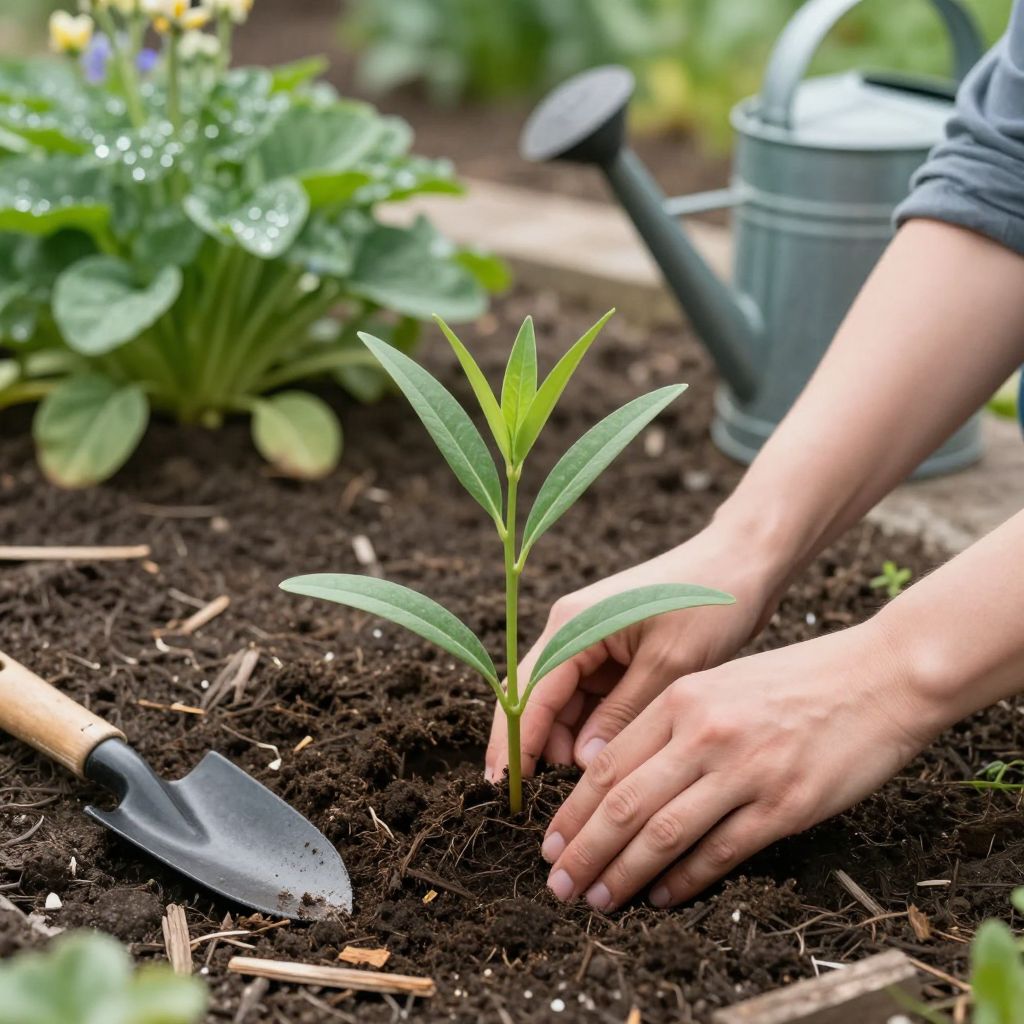
Wondering when to plant milkweed so it gets established and helps support monarchs? The best time depends on your climate, but in most gardens milkweed is planted in spring after the last frost, or in early fall in mild regions. Timing matters because young plants need warm soil, steady moisture, and enough time to root before extreme heat or cold.
Milkweed can be grown from seed, plugs, or nursery plants, and each option has its own ideal planting window. If you match planting time to your local weather and choose the right species for your area, you’ll give the plants a much better start.
When to plant milkweed?
Plant milkweed in spring after frost danger has passed and the soil is workable, or in early fall where winters are mild enough for roots to establish. In cold climates, spring planting is usually safest. In warm regions, fall planting can work well if plants have several weeks before hard freezes.
Best planting time by climate
Spring planting
Spring is the most reliable time to plant milkweed in most home gardens. Wait until nights are consistently above freezing and the soil is no longer waterlogged or cold and sticky.
This timing helps young milkweed settle in before summer heat arrives. It is especially helpful if you are planting nursery starts or transplanting plugs.
Fall planting
Fall planting can be a good choice in regions with long, mild autumns and winters that are not severe. The soil is still warm, which encourages root growth even as top growth slows.
For fall planting, aim for a window that gives the plant at least 4 to 6 weeks before the first hard freeze. That gives roots time to anchor before winter.
Planting from seed
Milkweed seeds often do best when they experience natural cold exposure, especially for native species that benefit from cold stratification. You can sow them outdoors in late fall or early winter, or start them indoors after giving them the cold treatment they need.
If you are direct sowing seed in spring, check whether the species requires stratification first. Without it, germination may be slow or uneven.
Choose the right milkweed for your site
Before planting, make sure you are selecting a milkweed species suited to your region. Different species have different growth habits, moisture needs, and climate tolerance.
- Common milkweed (Asclepias syriaca) spreads strongly by rhizomes and can take over small spaces.
- Butterfly weed (Asclepias tuberosa) prefers well-drained soil and is less aggressive.
- Swamp milkweed (Asclepias incarnata) likes consistently moist soil and suits rain gardens or damp areas.
Choosing the right species matters as much as choosing the right date. A plant that fits your soil and moisture conditions will establish faster and need less rescue care.
How to plant milkweed successfully
Step 1: Prepare the planting area
Pick a spot with full sun for best flowering and sturdy growth. Most milkweed performs best with at least 6 hours of direct sunlight daily.
Loosen the soil and remove weeds before planting. If the soil is heavy clay or drains poorly, mix in compost to improve structure, but avoid making the planting hole too rich or too loose compared with the surrounding soil.
Step 2: Plant at the right depth
Set nursery plants or plugs at the same depth they were growing in their containers. Do not bury the crown too deeply, because that can encourage rot.
If you are planting bare-root milkweed, spread the roots naturally and firm the soil gently around them. Water thoroughly after planting to settle the soil.
Step 3: Water to establish roots
Keep the soil evenly moist during the first few weeks, especially for spring plantings and all transplants. The goal is moist, not soggy soil.
Once established, many milkweed species are fairly drought tolerant, but they still need regular watering during their first season. Deep watering is better than frequent light sprinkling because it encourages deeper roots.
Growing conditions milkweed prefers
Sunlight
Milkweed grows best in full sun. In partial shade it may survive, but flowering can be reduced and stems may lean or stretch.
Soil
Most milkweed prefers average soil with good drainage. Heavy, constantly wet soil can cause root problems, especially for species that prefer drier conditions.
If your soil is very poor, a small amount of compost can help young plants get started. Avoid overfertilizing, because too much nitrogen can encourage leafy growth at the expense of flowers.
Drainage
Drainage is one of the biggest factors in milkweed success. If water sits around the roots after rain, choose a better site or a species that tolerates moisture, such as swamp milkweed.
For clay soil, raised beds or slightly mounded planting areas can make a big difference.
Starting milkweed from seed indoors or outdoors
Indoor seed starting
If you want an earlier start, begin seeds indoors after cold stratification if required. Use clean trays or pots and a light seed-starting mix that drains well.
- Chill the seeds according to the species’ needs.
- Sow them shallowly, following the packet or species guidance.
- Keep the mix moist but not wet.
- Provide bright light after germination.
- Harden off seedlings before transplanting outdoors.
Seedlings are tender, so transplant them only after frost risk has passed and the soil has warmed.
Direct sowing outdoors
Direct sowing is often the simplest method if you have the right season and a suitable site. Fall sowing works especially well for many native milkweeds because winter weather can help break seed dormancy naturally.
In spring, direct sow only after the soil is workable and temperatures are warming. Keep the seedbed lightly moist until germination.
Common mistakes to avoid
- Planting too early in cold, wet soil, which can slow rooting or rot young plants.
- Choosing the wrong species for your moisture level or garden size.
- Overwatering after establishment, especially in soil that stays damp.
- Using too much fertilizer, which can produce weak, leafy growth.
- Overcrowding milkweed in a bed where it needs room to spread.
Another common mistake is expecting immediate results from seed. Milkweed can be slow to germinate and slow to size up, so patience is part of the process.
Milkweed care after planting
Watering
During the first growing season, check soil moisture regularly and water when the top inch or two begins to dry. After the plant is established, water only during extended dry spells unless you are growing a moisture-loving species.
Mulching
A thin layer of mulch can help conserve moisture and suppress weeds, but keep mulch a few inches away from the crown. Piling mulch against the stem can trap moisture and invite disease.
Pruning and cleanup
Milkweed generally needs little pruning. You can remove damaged stems or cut back spent growth at the end of the season if needed, but leave some habitat when possible if you are supporting pollinators and beneficial insects.
If you notice self-seeding where you do not want it, remove seed pods before they split open. That is the easiest way to control spread.
Pests and problems to watch for
Milkweed is a host plant, so some insect activity is normal. Aphids often cluster on stems and buds, and their presence does not always mean the plant is failing.
For light aphid pressure, a strong spray of water can help. Avoid broad insecticides, since they can harm the very insects you may be trying to support.
In poorly drained soil, root rot and crown problems are more likely. If plants yellow, wilt, or collapse despite adequate water, check the roots and drainage rather than adding more fertilizer.
How to tell if you planted at the right time
Milkweed planted at the right time should begin to settle in without severe stress. New growth may be slow at first, but the plant should hold its color, stay upright, and gradually put on size.
If the plant wilts repeatedly in cool weather, the soil may be too wet. If it scorches or stalls during hot weather, it may have been planted too late or need more consistent watering while roots develop.
Quick timing guide
- Cold climates: plant in spring after frost.
- Mild climates: plant in spring or early fall.
- Seeds outdoors: often best in late fall or after stratification.
- Transplants: plant when soil is workable and temperatures are moderate.
Conclusion
The best time to plant milkweed is usually spring after the last frost, though early fall can also work in mild regions. Match the planting time to your climate, choose a species suited to your soil, and give the plant sun, drainage, and steady moisture while it establishes.
If you want to keep learning about pollinator-friendly planting, consider reading more about native wildflowers and how to design a garden that blooms through the season.