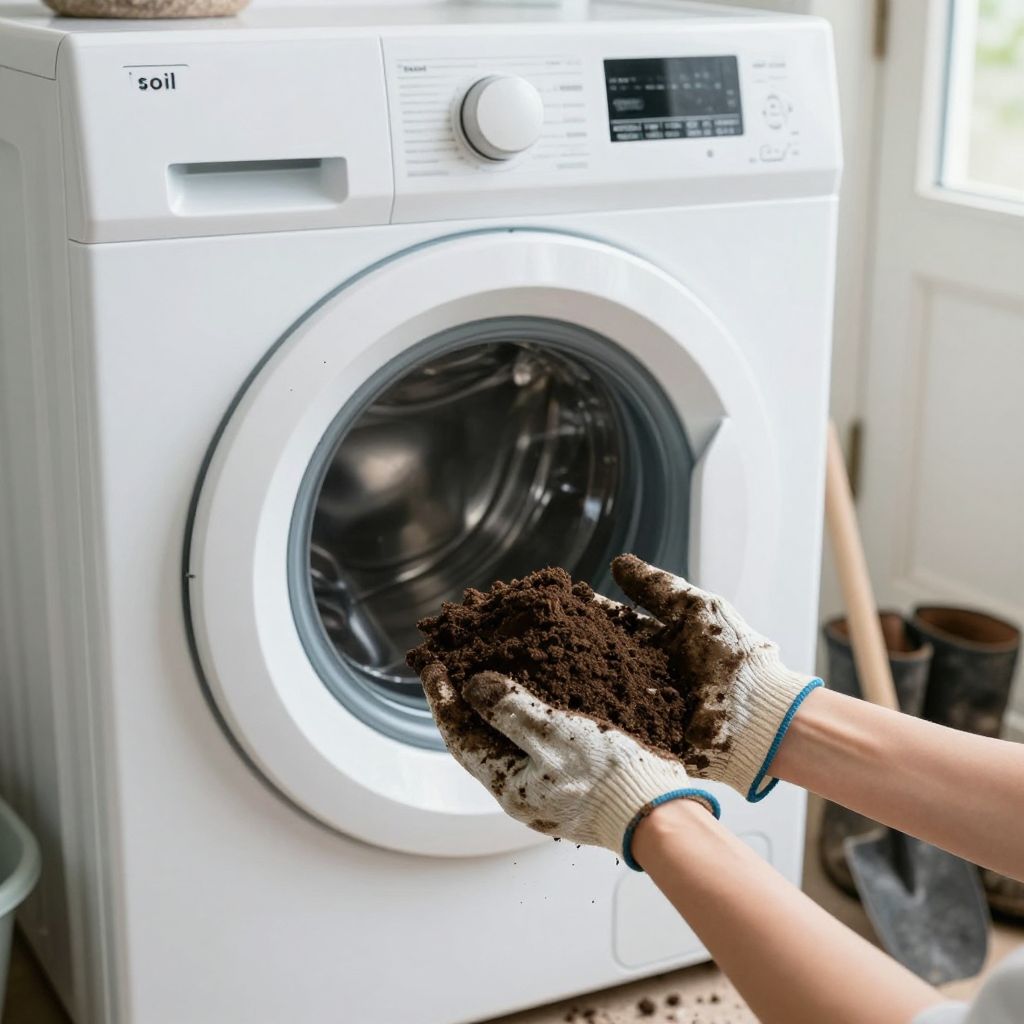
What does soil mean on washer? If you’ve seen that phrase and wondered whether it has anything to do with gardening, the short answer is no: on a washing machine, “soil” usually means how dirty the load is, not garden soil. But if you’re here because you’re trying to understand soil in the garden, that’s a very useful topic to get right.
Healthy garden soil is the foundation of strong roots, steady growth, and better harvests. Knowing what kind of soil you have helps you choose the right plants, improve drainage, and water more effectively.
What does soil mean on washer?
On a washer, soil means the level of dirtiness in the laundry load. In gardening, soil means the natural growing medium that supports roots, holds water and air, and supplies nutrients. If you meant garden soil, the key is to understand texture, drainage, and organic matter before planting anything.
What garden soil actually does for plants
Good soil is more than “dirt.” It is a living system made of mineral particles, organic matter, water, air, and microorganisms. Plants rely on it for anchorage, moisture, nutrients, and root oxygen.
When soil is too compacted, roots struggle to spread and water may pool on the surface. When it is too sandy, water and nutrients can drain away too quickly.
The main soil types you may see
- Sandy soil: drains quickly, warms up fast, but dries out easily.
- Clay soil: holds water and nutrients well, but can become dense and slow to drain.
- Silty soil: smooth and fertile, but can compact if handled when wet.
- Loam: a balanced mix that usually supports most plants well.
Most gardens are some blend of these, not a perfect single type. That is why observation matters more than labels alone.
How to identify your soil in the garden
You do not need a lab to get a useful first impression. A simple hands-on check can tell you a lot about drainage, texture, and structure.
- Take a small sample from 4–6 inches below the surface.
- Moisten it slightly so it feels like damp modeling clay, not mud.
- Rub it between your fingers to judge grit or smoothness.
- Squeeze it into a ball and see whether it holds together.
- Try to form a ribbon by pressing it between thumb and forefinger.
What the feel test tells you
- If it feels gritty and falls apart, it likely has a lot of sand.
- If it feels sticky and forms a long ribbon, it likely has more clay.
- If it feels soft, crumbly, and holds shape without becoming greasy, it may be loam.
You can also watch how water behaves after rain or irrigation. Puddles that linger suggest poor drainage, while soil that dries to dust quickly may need more organic matter or mulching.
How to improve garden soil before planting
Improving soil is usually better than trying to force plants into poor conditions. The safest, most effective amendment for many gardens is compost, because it improves structure, moisture retention, and biological activity at the same time.
Best ways to build better soil
- Top-dress beds with 1 to 3 inches of finished compost and mix lightly into the top layer if appropriate for your planting style.
- Use mulch to protect the surface from crusting, erosion, and moisture loss.
- Avoid over-tilling, which can damage soil structure and reduce beneficial organisms.
- Keep soil covered with plants or mulch whenever possible.
If your soil is heavy clay, compost helps create a more open structure over time. If it is sandy, compost helps it hold moisture and nutrients longer. In both cases, gradual improvement is usually more effective than a one-time fix.
What not to do
- Do not add sand to clay in small amounts and expect a miracle; it can make the texture worse if the mix is unbalanced.
- Do not work wet soil, especially clay, because it compacts easily.
- Do not assume fertilizer alone will solve poor soil structure.
Drainage, watering, and why soil type matters
Soil texture strongly affects how often you need to water. Sandy soils usually need more frequent watering in smaller amounts, while clay soils often need less frequent but deeper watering once they are established.
The goal is to moisten the root zone without saturating it. Roots need oxygen as well as water, so constantly soggy soil can be just as harmful as dry soil.
Simple drainage check
Dig a hole about 12 inches deep and fill it with water. Let it drain, then fill it again. If the second filling still drains very slowly after several hours, you may have a drainage problem.
In that case, consider raised beds, planting on mounds, selecting moisture-tolerant plants, or improving the site with organic matter and better grading.
Matching plants to your soil
Not every plant wants the same conditions. The smartest gardening choice is to match plants to the soil you already have, then improve the soil where needed.
General plant preferences
- Well-drained loam: suits many vegetables, herbs, and ornamentals.
- Moist, fertile soil: often preferred by leafy vegetables and many annual flowers.
- Fast-draining soil: useful for drought-tolerant herbs and Mediterranean-type plants.
- Heavier, moisture-retentive soil: can suit plants that tolerate or prefer consistent moisture.
Always check the needs of the specific plant you want to grow. Sun exposure, root depth, and local rainfall matter just as much as soil type.
Soil pH and nutrients: the other part of the picture
Texture is only one piece of the puzzle. Soil pH affects how well plants can absorb nutrients, and nutrient balance influences growth, flowering, and fruiting.
A soil test is the most reliable way to learn about pH and fertility. If you garden regularly, testing every few years helps you avoid guesswork and unnecessary amendments.
Signs your soil may need attention
- Yellowing leaves despite regular watering
- Poor growth even in full sun
- Plants that wilt quickly after transplanting
- Crusting, compaction, or standing water
- Weak root systems when you lift a plant
These symptoms can have several causes, so do not jump straight to fertilizer. Check drainage, root health, and recent weather first.
Indoor pots versus outdoor garden beds
Container soil behaves differently from in-ground soil. In pots, roots have less room, water drains faster, and nutrients wash out more quickly.
Use a quality potting mix for containers rather than garden soil, which can compact and drain poorly in pots. For outdoor beds, focus on improving the native soil with compost and mulch instead of replacing it completely.
Container gardening tips
- Choose pots with drainage holes.
- Use a mix designed for containers, not heavy field soil.
- Check moisture with your finger before watering.
- Refresh or repot when roots fill the container.
Common soil problems and practical fixes
Many garden issues trace back to soil conditions. The good news is that most of them can be managed with steady, practical changes.
Compacted soil
Compaction limits air and water movement. Loosen the soil gently with a garden fork, add compost, and avoid walking on beds.
Poor drainage
If water sits for long periods, use raised beds, improve grading, or choose plants that tolerate wetter conditions. Do not keep watering just because the surface looks dry.
Low organic matter
Soil low in organic matter may dry out fast and support weak growth. Add compost regularly and keep the soil covered with mulch or living plants.
Salt buildup in containers
White crust on potting mix or pot rims can indicate salt buildup from fertilizer or hard water. Flush containers occasionally with plain water and avoid overfertilizing.
Seasonal soil care that really helps
Soil care changes with the season. In spring, focus on testing, loosening, and adding compost. In summer, protect the surface with mulch and water deeply when needed. In fall, add organic matter and plant cover crops where appropriate.
In winter, avoid unnecessary disturbance when the ground is wet or frozen. Let the soil rest if conditions are poor for working it.
Simple tools that make soil work easier
You do not need a large toolkit, but a few basics help you read and manage soil well.
- Hand trowel for small planting and inspection
- Garden fork for loosening compacted beds
- Soil thermometer if you start seeds or plant early crops
- Moisture meter or your finger for checking container soil
- pH test kit or lab soil test for a more accurate reading
Conclusion: start with the soil you have
If you were wondering what does soil mean on washer, the laundry answer is dirtiness level. But in gardening, soil is the living base of everything you grow. Start by identifying your soil texture, checking drainage, and adding compost where needed. That one habit will improve planting success more than most quick fixes.
If you want to keep learning, a helpful next step is reading more about soil improvement and fertilizing basics and how different soil types affect plant growth.