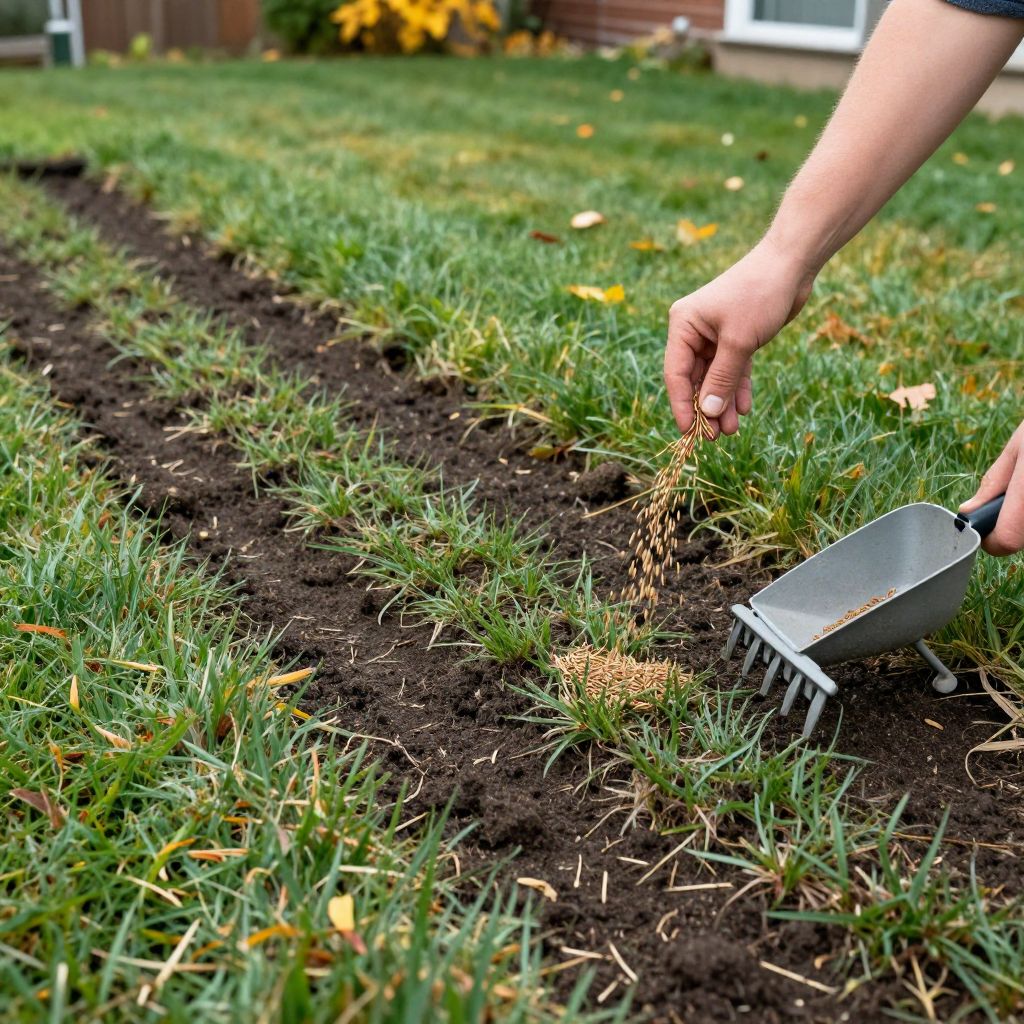
When should I plant grass seed? The best time depends on your grass type and your climate, but most lawns do best when seed is sown during mild weather with warm soil and fewer temperature extremes. In many regions, that means early fall for cool-season grasses and late spring to early summer for warm-season grasses.
Planting at the right time gives seed the best chance to germinate quickly, root deeply, and compete with weeds. If you seed too early, too late, or during stressful weather, you may end up with thin, patchy turf and more maintenance than necessary.
When should I plant grass seed?
The best time to plant grass seed is when soil temperatures and moisture are favorable for germination and young seedlings can establish before heat, cold, or drought stress. For cool-season grasses, aim for late summer to early fall. For warm-season grasses, plant in late spring through early summer after the soil has warmed.
Know your grass type before you seed
Grass seed timing depends first on whether you are growing a cool-season or warm-season lawn. These grasses grow best in different temperature ranges, so the “right” planting window is not the same everywhere.
Cool-season grasses
Cool-season grasses such as Kentucky bluegrass, perennial ryegrass, tall fescue, and fine fescues generally germinate and establish best in the cooler parts of the year. They grow most actively in spring and fall.
Best planting window: late summer to early fall in many climates, often about 6 to 8 weeks before the first expected hard frost.
Warm-season grasses
Warm-season grasses such as bermudagrass, zoysiagrass, centipedegrass, and buffalograss prefer warm soil and air. They need heat to germinate well and are slower to establish in cool conditions.
Best planting window: late spring to early summer, after the danger of frost has passed and the soil has warmed consistently.
Why timing matters so much
Grass seed needs steady moisture, good soil contact, and the right temperature to sprout. If conditions are too hot, too cold, or too dry, germination slows and seedlings may die before they build roots.
Timing also affects weed pressure. Seeded lawns often establish better when they are not competing with aggressive summer weeds or struggling through winter cold.
What happens if you seed at the wrong time?
- Too early in spring: cold soil may delay germination, and young grass can be overtaken by weeds.
- Too late in spring or summer: heat and drought can dry out seedlings fast.
- Too late in fall: grass may not root enough before frost or winter dormancy.
- During wet, compacted conditions: seed can wash away, rot, or germinate unevenly.
How to choose the right season for your lawn
If you are not sure which grass you have, look at your region, your lawn’s appearance, and when it naturally grows most strongly. Local extension offices, garden centers, and neighboring lawns can also offer clues.
Use your climate as a guide
- Cooler northern areas: fall is usually the safest time for seeding cool-season lawns.
- Hot southern areas: warm-season grasses are usually seeded after the soil has warmed in late spring.
- Transition zones: timing can be trickier, so local conditions matter more than a calendar date.
If your area has unpredictable weather, watch the forecast rather than relying only on the month. A stretch of mild days with regular moisture is much better than a fixed date that falls during heat, drought, or cold snaps.
Best conditions for grass seed to germinate
Grass seed germinates best in loose, evenly moist soil with good seed-to-soil contact. Most lawn seeds also prefer full sun to partial shade, though shade-tolerant species can handle lower light better than others.
Soil temperature and moisture
Warm soil speeds germination, but extreme heat can damage seedlings. Cool soil can still work for some grasses, but germination will be slower and less reliable.
Keep the top layer of soil consistently moist after seeding. The goal is damp, not soggy. If the surface dries out repeatedly, many seeds will fail to sprout or newly emerged seedlings may die.
Sunlight and shade
Most lawn grasses perform best in at least several hours of sun each day. If your site is heavily shaded, choose a grass that tolerates shade better, and expect slower growth and thinner turf than in full sun.
How to plant grass seed step by step
Good preparation matters as much as timing. A well-prepared seedbed helps the seed stay in place, absorb moisture, and root quickly.
- Clear the area. Remove weeds, rocks, sticks, and dead grass.
- Loosen the soil. Rake or lightly till the top layer so seed can make contact with soil.
- Improve poor soil if needed. Mix in compost if the soil is thin, compacted, or low in organic matter.
- Level low spots. Fill shallow depressions so water does not pool and wash seed away.
- Spread seed evenly. Use a broadcast spreader for larger areas or hand-seed small patches.
- Rake lightly. Cover seed with a thin layer of soil or compost so it is not left exposed.
- Press seed into the soil. Light rolling or firming helps improve contact.
- Water gently. Use a fine spray so you do not dislodge the seed.
How deep should grass seed be planted?
Most grass seed should be planted very shallowly, usually just covered with about 1/8 to 1/4 inch of soil or compost. If seed is buried too deeply, it may not emerge well.
Should you overseed or start from scratch?
Overseeding means adding seed to an existing lawn to thicken thin areas. Starting from scratch means preparing bare soil and sowing a new lawn. The best timing is similar, but the preparation differs.
Overseeding a thin lawn
Overseeding works well when the lawn is mostly healthy but sparse. Mow low, rake out thatch, loosen the soil surface, and seed into the thin areas.
This is often easiest in early fall for cool-season lawns, when temperatures are mild and weeds are less aggressive.
Starting a new lawn
A new lawn needs more careful grading, soil preparation, and watering. Bare soil dries out faster than an established lawn, so new seedbeds need closer attention.
If erosion is a problem, consider using a light mulch or erosion-control cover designed for seedbeds to help hold moisture and keep seed in place.
Watering after planting grass seed
New seed needs frequent light watering at first. The soil surface should stay consistently moist until germination begins, then gradually shift to deeper, less frequent watering as the grass develops roots.
Avoid heavy watering that creates puddles or runoff. Too much water can move seed around, compact the soil, or encourage disease.
Common watering mistakes
- Letting the seedbed dry out completely.
- Watering so hard that seed washes into low spots.
- Keeping the soil soggy, which can reduce oxygen around the seed.
- Switching too quickly to a mature-lawn watering routine.
How long does grass seed take to grow?
Germination time varies by grass type, soil temperature, moisture, and seed quality. Some grasses sprout in about a week under ideal conditions, while others take several weeks.
Do not assume the seed has failed if you do not see growth right away. Cool soil, uneven watering, or deeper planting can slow emergence significantly.
What to watch for during establishment
- Thin or patchy germination
- Soil crusting on the surface
- Birds feeding on exposed seed
- Dry edges near sidewalks, driveways, or slopes
Common problems when planting grass seed
Most seeding problems come from poor timing, poor soil contact, or inconsistent moisture. The good news is that many can be corrected early.
Seed washes away
This usually happens on slopes, in heavy rain, or when watering is too forceful. Rake seed back into place, cover it lightly, and water with a gentler spray.
Patchy germination
Uneven spread, compacted soil, shade, or dry spots can all cause patchiness. Reseed thin areas once you identify the cause, and improve the soil surface before reseeding.
Birds and pests
Birds may feed on exposed seed, especially in open areas. A light topdressing of soil or compost can help hide seed and improve germination.
In some lawns, insects or disease can damage seedlings, but many problems that look like pests are actually watering or soil issues. Check the soil first before assuming insects are to blame.
When to mow new grass
Wait until the new grass is tall enough to mow without pulling out of the soil. A good rule is to mow when seedlings are established and the lawn reaches the recommended height for your grass type.
Use a sharp mower blade and remove no more than one-third of the grass height at a time. Mowing too early or too short can stress young grass and slow rooting.
Helpful tips for better results
- Test your soil if the lawn has repeated problems.
- Use quality seed suited to your region and light conditions.
- Prepare the soil before seeding instead of scattering seed over hard ground.
- Keep foot traffic off the area until seedlings are established.
- Mulch bare spots lightly if wind, birds, or runoff are a concern.
Conclusion: the best planting time is the one that matches your grass and climate
If you are wondering when should I plant grass seed, the safest answer is to seed during mild weather when your grass type naturally grows best. For cool-season lawns, that usually means early fall. For warm-season lawns, it usually means late spring to early summer. Prepare the soil well, keep it evenly moist, and give seedlings time to establish before mowing or heavy use.
If you want to improve your lawn further, you may also want to read about how to overseed a lawn and how to prepare soil for planting grass seed.