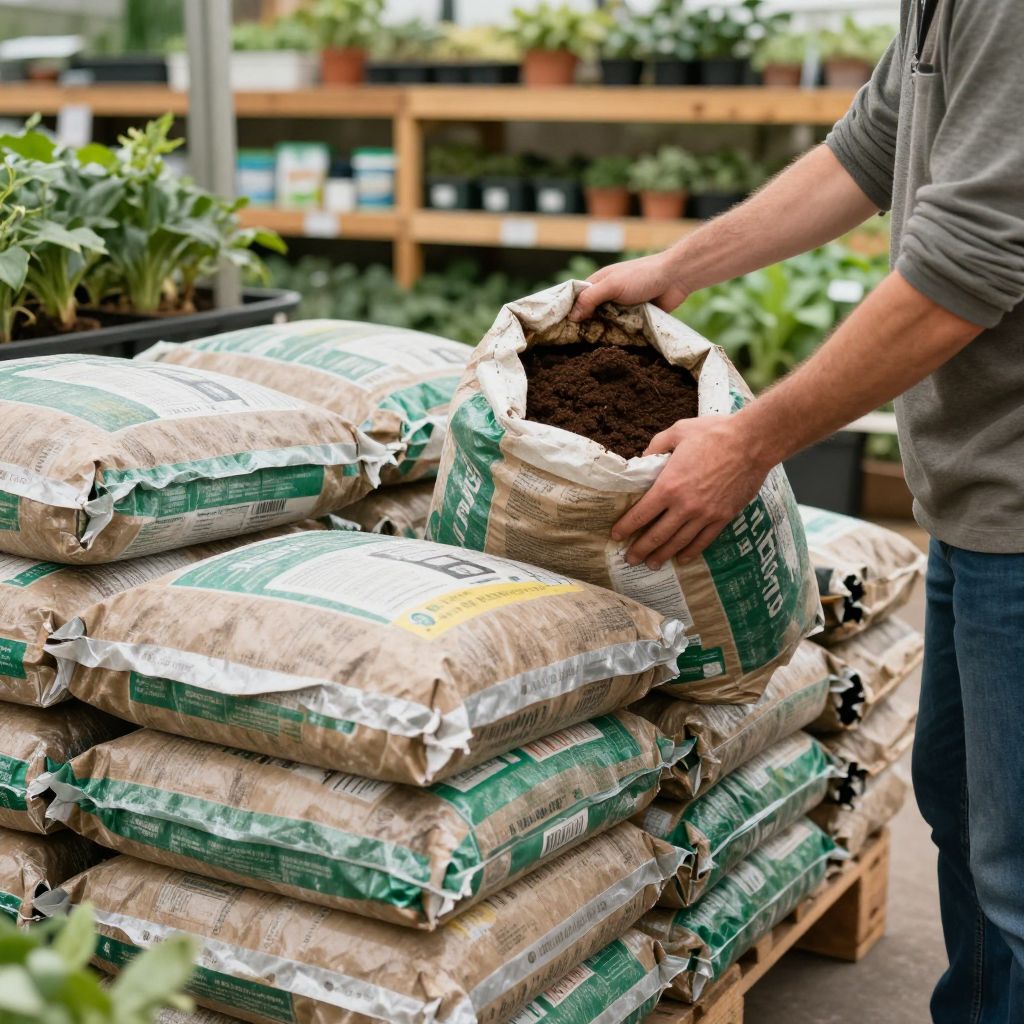
Where can you buy compost that actually helps your garden? The best sources are usually local garden centers, municipal compost programs, farm supply stores, and trusted bulk suppliers. The right choice depends on how much you need, what you’re growing, and whether you want bagged convenience or cheaper bulk material for beds, borders, and lawns.
Good compost improves soil structure, water retention, and nutrient availability, but not all products are equal. Before you buy, check the ingredients, look for a finished, earthy-smelling texture, and match the compost type to your planting needs.
Where to buy compost?
You can buy compost at garden centers, nurseries, home improvement stores, landscape suppliers, farm stores, and local municipal composting facilities. For small jobs, bagged compost is easiest; for larger beds or multiple raised beds, bulk compost is usually more economical and often better value per cubic foot.
Best places to buy compost
1. Local garden centers and nurseries
Garden centers are often the easiest place to find compost for general gardening. You can usually compare brands in person, check the bag label, and ask staff whether the compost is suitable for vegetables, ornamentals, or raised beds.
- Best for: small to medium projects
- Pros: convenient, easy to inspect, usually a good range of bagged products
- Watch for: bags that are mostly wood chips, manure that is not fully composted, or products with vague labeling
2. Home improvement stores
Big-box retailers often carry popular bagged compost brands and seasonal garden blends. This is a practical option if you need a few bags quickly, but product quality can vary by brand and shipment.
- Best for: quick purchases and standard bagged compost
- Pros: wide availability, extended hours, easy pickup
- Watch for: dried-out bags, compacted material, or compost mixed heavily with fillers
3. Landscape supply yards and bulk soil suppliers
If you need compost for raised beds, new borders, or large soil improvement projects, bulk suppliers are often the smartest choice. Many sell compost by the cubic yard or cubic meter and may also deliver it to your home.
- Best for: large gardens and landscaping projects
- Pros: lower cost per volume, delivery options, consistent availability
- Watch for: minimum order requirements, delivery fees, and whether the compost is screened
4. Municipal composting or recycling programs
Some cities and counties sell compost made from yard waste and green waste collected locally. This can be a budget-friendly option, especially if your community offers pickup or seasonal distribution events.
- Best for: gardeners looking for affordable local compost
- Pros: often inexpensive, supports local recycling
- Watch for: variable texture, occasional twig fragments, and limited availability
5. Farm supply stores and agricultural co-ops
Farm stores may stock compost, composted manure, and soil amendments suited to larger plots or edible gardens. These stores can be useful if you want bulk materials or products intended for practical soil improvement.
- Best for: vegetable gardens, orchards, and larger properties
- Pros: often practical packaging, sometimes better bulk pricing
- Watch for: product labels that don’t clearly state whether the material is fully composted
6. Online retailers
Online ordering is convenient if local options are limited, but shipping can make compost expensive because it is heavy. Online compost is usually best when you need a specialty product, a small quantity, or a specific brand not available nearby.
- Best for: specialty composts and hard-to-find products
- Pros: easy comparison shopping, home delivery
- Watch for: shipping costs, damaged bags, and hidden volume limits
How to choose good compost before you buy
Look for compost that is dark, crumbly, and earthy-smelling, not sour, rotten, or ammonia-like. Finished compost should resemble rich soil more than raw plant debris. If you see large amounts of undecomposed material, it may still be breaking down and could tie up nitrogen in the garden.
What the label should tell you
- Source material: yard waste, manure, food waste, bark, or a blend
- Use type: soil amendment, topdressing, potting mix ingredient, or mulch substitute
- Screening: screened compost is usually finer and easier to spread
- Moisture level: overly wet compost may be heavy and harder to use
- Contaminant notes: especially important for vegetable gardens
Signs of quality compost
- Even texture with few sticks or large chunks
- Dark brown to black color
- Earthy smell
- No visible moldy trash, plastics, or glass
- No strong manure odor unless it is clearly labeled as composted manure
Bagged compost vs bulk compost
Bagged compost is easier to handle, store, and transport in small amounts. Bulk compost is better when you need a lot, but it requires a place to unload and store it. Your choice should depend on garden size, access, and how much lifting you want to do.
When bagged compost makes sense
- You are filling containers or a few raised beds
- You want a clean, easy-to-store product
- You need to move compost by hand in small quantities
- You want to test a brand before buying more
When bulk compost makes sense
- You are amending an entire vegetable bed or lawn area
- You need several cubic feet or more
- You want lower cost per volume
- You can receive a delivery or transport it safely
How much compost do you need?
For most garden beds, compost is used as a soil amendment in a layer about 1 to 3 inches deep and then mixed into the top few inches of soil. For topdressing lawns or established beds, a thinner layer is usually better. Always adapt the amount to your soil, crop, and local conditions.
Simple estimating guide
- 1 cubic foot covers about 12 square feet at 1 inch deep
- 1 cubic yard covers about 324 square feet at 1 inch deep
- For a 2-inch layer, cut that coverage in half
If you are unsure, buy a little less than you think you need and recheck after spreading. It is easier to add more compost than to remove an oversupply.
How to use compost correctly in the garden
For vegetable beds
Spread compost over the bed and mix it into the top 6 to 8 inches of soil if you are preparing a new planting area. In established beds, topdress around plants without burying stems or crowns.
- Use finished compost only
- Avoid piling compost directly against stems
- Water after spreading to settle the surface
For raised beds
Compost is often blended with topsoil and other ingredients when filling raised beds. If your bed is already established, add a thin topdressing each season rather than replacing the whole mix.
- Mix compost evenly to avoid pockets that hold too much moisture
- Check drainage before adding more organic matter
- Use coarser compost sparingly if the bed already stays wet
For containers
Compost can be part of a potting blend, but it should not be the only ingredient in most containers. Too much compost can make pots dense, waterlogged, or inconsistent in drainage.
- Use a quality potting mix as the base
- Add compost modestly if the plant benefits from extra organic matter
- Make sure the container has drainage holes
Common mistakes to avoid when buying compost
- Buying unfinished compost: raw material can rob nitrogen and stress plants
- Choosing by price alone: cheap compost may contain fillers or poor screening
- Ignoring the source: some products are better for ornamentals than edible crops
- Using too much at once: excessive compost can create drainage problems
- Skipping inspection: always open or check a sample if possible
Seasonal buying and storage tips
Compost is available year-round in many places, but spring and early fall are the busiest times. If you are planning a large project, buy early so you are not limited to leftover stock or rushed delivery windows.
How to store compost at home
- Keep bags dry and off bare soil if possible
- Cover bulk compost with a breathable tarp or waterproof cover
- Use it within a reasonable time so it does not dry out or become compacted
- Keep it away from standing water, which can leach nutrients and create odors
Special considerations for edible gardens
If you are growing vegetables, herbs, or fruit, choose compost from a reputable source with clear labeling. You want material that is fully finished and free from obvious contaminants. This matters especially if the compost comes from mixed feedstocks or municipal collections.
- Prefer screened, mature compost for seed beds
- Avoid compost with trash, plastic fragments, or strong chemical odors
- If you are unsure, use it first on ornamentals rather than directly on food crops
Troubleshooting compost problems
Compost smells bad
A sour or rotten smell often means the compost is too wet or not fully finished. If you already bought it, let it air out and use it only where a little extra decomposition will not harm plants, such as on paths or around established ornamentals.
Compost is full of chunks
Large chunks are not always a problem, but they can make spreading harder. Screen the compost yourself if needed, or use it in rougher landscaping areas rather than seed-starting mixes.
Plants seem stressed after application
If leaves yellow or growth stalls after adding compost, you may have used immature compost or applied too thick a layer. Remove excess from the crown area, water evenly, and wait before adding more amendments.
Final buying checklist
Before you purchase compost, compare the source, texture, smell, and intended use. A little attention now can save you from poor drainage, weak growth, or wasted money later.
- Decide whether you need bagged or bulk compost.
- Check the label for source material and finished quality.
- Inspect the texture and smell if possible.
- Match the compost to your garden type and drainage needs.
- Buy only the amount you can realistically use and store.
If you are still deciding where to buy compost, start with a local garden center for a small project or a bulk landscape supplier for a larger one, then compare the product in person before you commit. For more practical garden planning, you may also want to read about how composting works and raised bed gardening basics.