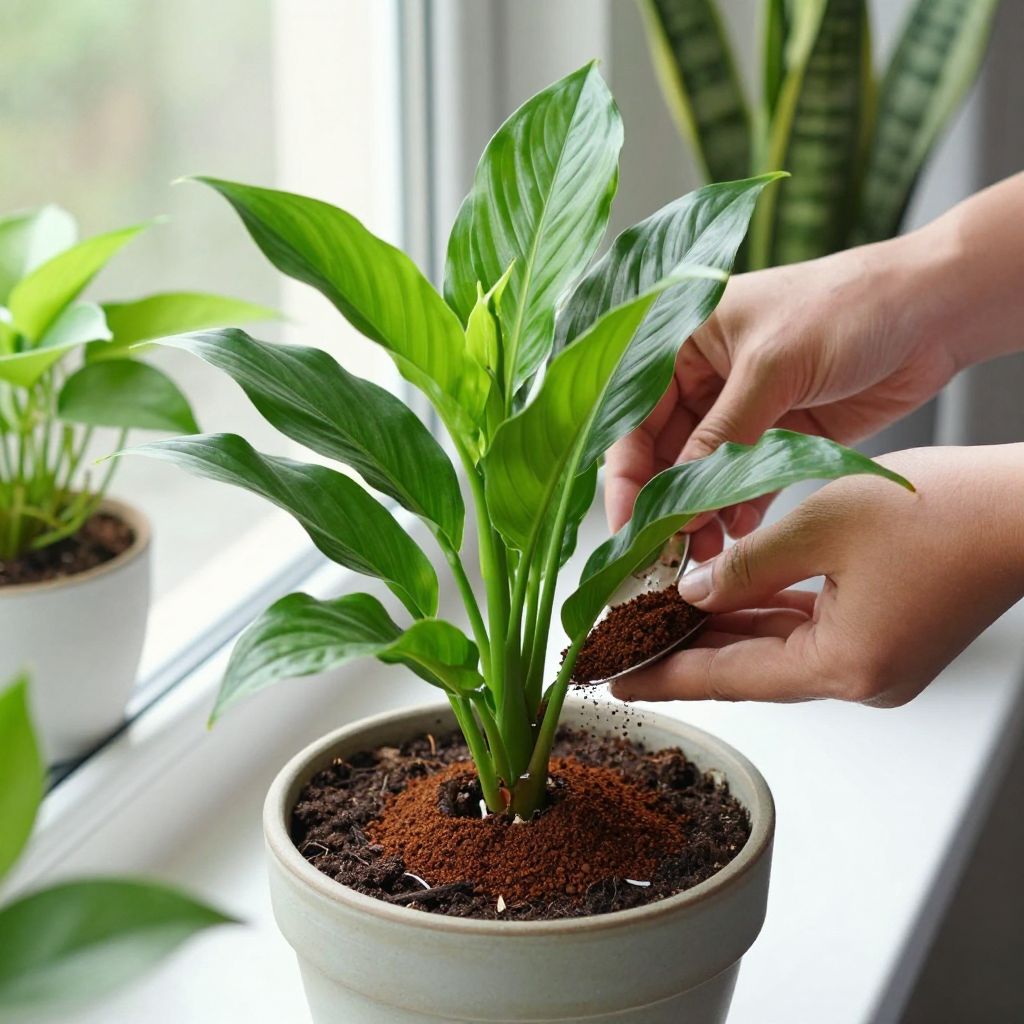
Wondering what indoor plants like coffee grounds? The short answer is: a few acid-loving houseplants can benefit from small, well-prepared amounts of used coffee grounds, but most indoor plants do better with moderation or none at all. Coffee grounds are not a complete fertilizer, and too much can cause soggy soil, fungus gnats, or salt buildup.
If you use them correctly, coffee grounds can be a useful soil amendment or compost ingredient. The key is matching the plant, the potting mix, and your watering habits so you help the plant instead of creating drainage problems.
What indoor plants like coffee grounds?
Indoor plants that may appreciate coffee grounds are usually acid-loving species such as peace lilies, ferns, African violets, philodendrons, pothos, and some orchids when grounds are fully composted or used very lightly. The safest approach is to feed the soil, not the plant directly, and use coffee grounds sparingly.
Which houseplants actually benefit from coffee grounds?
Not every plant likes coffee grounds, and many houseplants will not respond dramatically. The ones most likely to tolerate or benefit from them are plants that prefer slightly acidic, organic-rich soil and steady moisture without waterlogging.
Houseplants that may like coffee grounds in moderation
- Peace lily (Spathiphyllum)
- Boston fern and other ferns
- African violet (Saintpaulia)
- Philodendron
- Pothos (Epipremnum aureum)
- Spider plant (Chlorophytum comosum) in very small amounts
- Orchids only indirectly, through compost or a very diluted organic top-dressing approach
These plants do not need coffee grounds to thrive. They do best when the grounds are used as a minor soil amendment, not as a main fertilizer.
Plants that usually should not get coffee grounds directly
- Cacti and succulents
- Snake plant (Dracaena trifasciata)
- ZZ plant (Zamioculcas zamiifolia)
- Most plants already struggling with root rot or poor drainage
- Any houseplant in a pot with compacted, slow-drying soil
These plants prefer leaner, faster-draining conditions. Coffee grounds can hold too much moisture for them and may increase the risk of root problems.
Why coffee grounds can help indoor plants
Used coffee grounds contain small amounts of nitrogen, along with organic matter that can improve soil structure over time. They are most useful as part of a composting system or lightly mixed into potting media that already drains well.
For indoor gardening, the biggest benefit is usually indirect. Coffee grounds can support beneficial microbial activity in compost, which then creates a better amendment for houseplants.
What coffee grounds are good for
- Adding organic matter to compost
- Lightly enriching potting mixes for moisture-loving plants
- Supporting soil life when fully composted
- Helping slightly acid-loving plants when used carefully
What coffee grounds are not good for
- Replacing balanced fertilizer
- Fixing nutrient deficiencies on their own
- Improving drainage in heavy soil
- Being piled thickly on the surface of a pot
How to use coffee grounds safely on indoor plants
For houseplants, the safest methods are composting first or using a very thin layer mixed into the top inch of soil. Never dump a large amount of wet grounds into a pot, because that can compact the surface and invite fungus gnats.
- Use only used coffee grounds, not fresh grounds.
- Let them dry before storage so they do not mold.
- Mix grounds into compost if possible.
- If applying directly, use a very thin layer and mix it into the topsoil.
- Water lightly and watch the plant for 2 to 3 weeks.
A good rule is to keep direct applications minimal. If the soil surface looks like a dark crust, you have probably used too much.
Best method: compost first
Composting is the most reliable way to use coffee grounds for indoor plants. Grounds break down and become part of a balanced organic amendment instead of sitting in a pot and causing problems.
- Mix coffee grounds with dry brown materials such as shredded paper, dry leaves, or cardboard.
- Keep the pile or bin airy and not soggy.
- Use finished compost as a top-dressing or potting-mix ingredient.
If you garden mostly indoors, a small countertop or bin compost system can make coffee grounds much more useful than applying them raw.
Direct application: only in tiny amounts
If you do not compost, apply grounds sparingly to a plant that already likes slightly acidic, organic-rich conditions. Scratch a small amount into the top layer of potting mix, then water lightly so it does not form a crust.
Do not use coffee grounds as a thick mulch in houseplant pots. Indoors, that often leads to poor airflow, mold, and pests.
How much coffee grounds should you use?
There is no universal dose that fits every plant, pot size, or potting mix. Indoors, less is usually better. Start with a very small amount and observe the plant before repeating the treatment.
A practical starting point
- For a small houseplant pot, use just a light sprinkle, not a layer.
- For medium and large pots, keep the amount minimal and mix it into the top inch of soil.
- Repeat only after several weeks if the plant remains healthy and the soil is draining well.
If you are unsure, skip direct application and use compost instead. That is the safer choice for most indoor gardeners.
Signs coffee grounds are helping or hurting
Houseplants usually show stress before they show obvious “coffee ground” problems. Watch the leaves, soil surface, and watering behavior. If the plant improves slowly, the amendment may be fine. If problems appear, stop using grounds right away.
Possible signs the plant is doing well
- Healthy new growth
- Even leaf color
- Soil that stays moist but not soggy
- No sour smell from the pot
Warning signs to stop using coffee grounds
- Mold on the soil surface
- Fungus gnats becoming more active
- Soil staying wet too long
- Yellowing leaves from overwatering or root stress
- Crusty topsoil that blocks water from soaking in
If you see these issues, remove the top layer of soil if needed, improve drainage, and let the pot dry slightly before watering again.
Common mistakes to avoid
Most coffee-ground problems come from using too much or using them the wrong way. Indoor pots are small, so mistakes show up faster than in garden beds.
- Applying thick layers on the soil surface
- Using grounds on dry-loving plants like succulents
- Adding wet grounds to a pot without mixing them in
- Using grounds as the only fertilizer
- Ignoring drainage holes in the container
- Letting grounds sit and mold before use
Good drainage matters more than any amendment. If your potting mix stays wet for days, coffee grounds will usually make that problem worse.
How coffee grounds fit into indoor plant care
Coffee grounds are only one part of houseplant care. Light, watering, potting mix, and container drainage matter far more than any single amendment.
Get the basics right first
- Light: Match the plant to bright indirect light, medium light, or lower light as needed.
- Water: Water based on soil dryness, not a fixed schedule.
- Soil: Use a well-draining houseplant mix suited to the plant type.
- Pot: Make sure the container has drainage holes.
- Feeding: Use a balanced houseplant fertilizer when the plant is actively growing, if needed.
If those basics are off, coffee grounds will not solve the problem. In many cases, repotting into a better mix helps more than any top-dressing.
When to use coffee grounds indoors by season
Indoor plants grow differently through the year because light levels change. In brighter months, many houseplants use nutrients more actively. In darker months, growth slows and the plant needs less feeding.
Use coffee grounds more cautiously during low-light periods, especially in winter, when potting mix dries more slowly and fungal issues are more common. If your plant is resting or growing slowly, hold off on extra amendments.
Alternatives if you do not want to use coffee grounds
If you are not comfortable using coffee grounds, there are other safe options for indoor plants. These may be easier to control and less likely to cause problems in pots.
- Finished compost
- Worm castings in small amounts
- Balanced liquid houseplant fertilizer
- Fresh, well-draining potting mix during repotting
These options are often more predictable than coffee grounds, especially for beginners.
Quick answer: should you put coffee grounds on indoor plants?
Yes, but only for the right plants and only in small amounts. The best candidates are moisture-loving, slightly acid-preferring houseplants, and the safest method is to compost the grounds first. For most indoor plants, especially succulents and slow-draining pots, coffee grounds are unnecessary and can do more harm than good.
Conclusion
If you want to use coffee grounds for indoor plants, start small, choose the right plant, and focus on drainage. Composting the grounds first is the safest approach, while direct use should stay light and occasional. Check your plant’s response before repeating the treatment, and stop if the soil turns sour, moldy, or soggy.
If you want to keep building your indoor gardening skills, you may also enjoy reading about growing strawberries indoors.