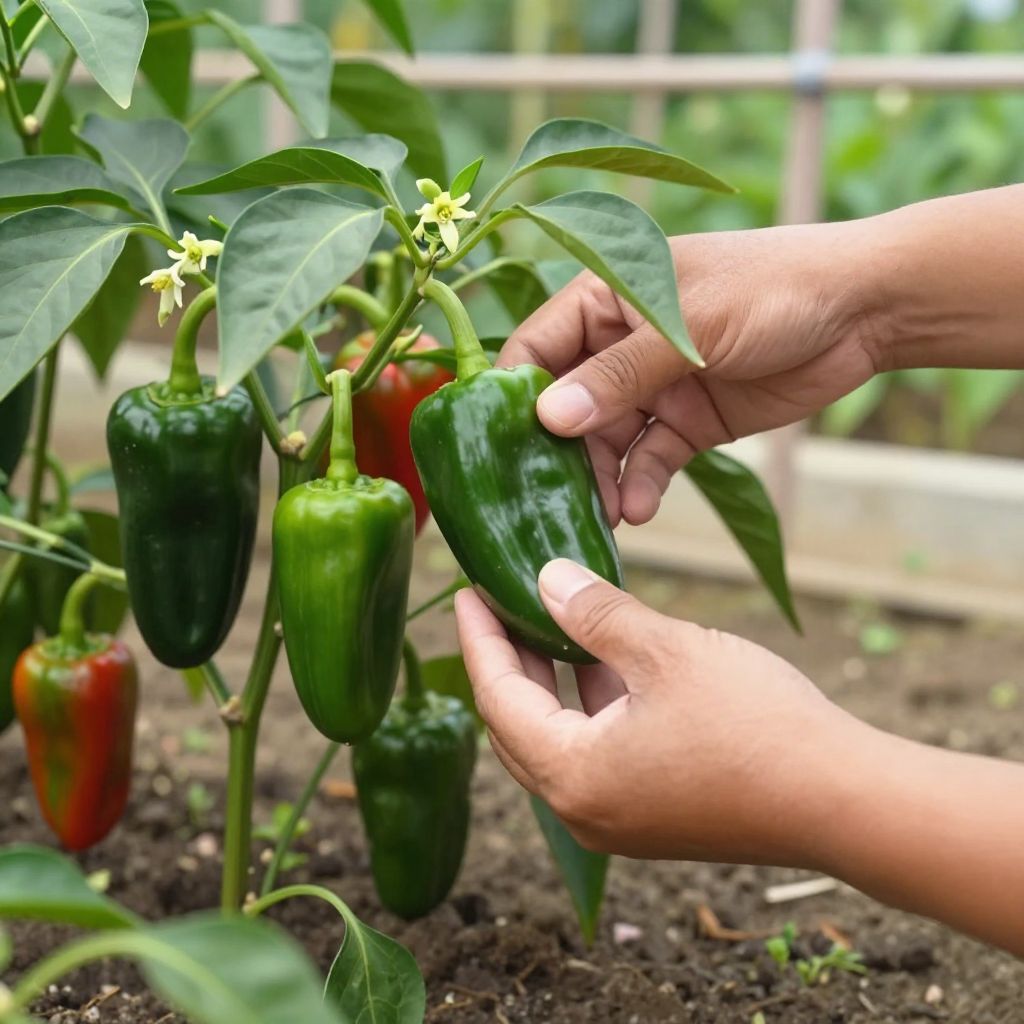
Wondering when to harvest jalapenos so they have the best flavor, heat, and texture? The short answer is that jalapeños are usually ready once they are firm, glossy, and at least 3 to 4 inches long, though you can pick them earlier for milder peppers or later for a sweeter, hotter red stage.
The right time also depends on the plant’s age, growing conditions, and how you plan to use the peppers. With a little observation, you can harvest at the ideal stage instead of guessing.
When to harvest jalapenos?
Harvest jalapeños when the peppers are full-sized, firm, and deep green, usually 3 to 4 inches long, with smooth, glossy skin. You can pick them at this stage for classic flavor, or leave them on the plant until they turn red for a sweeter taste and often more heat.
How to tell jalapeños are ready
Size alone is not enough. A jalapeño can be long enough but still immature if it feels soft or looks dull.
Signs of harvest readiness
- Length: commonly 3 to 4 inches, though some peppers may be slightly smaller or larger depending on the variety.
- Firmness: the pepper should feel solid when gently squeezed.
- Color: deep green is the usual picking stage; red means fully ripe.
- Skin: smooth and glossy skin usually signals a healthy, mature pepper.
- Attachment: the pepper should detach with a clean snap or a quick snip from the stem.
If the pepper is soft, wrinkled, or pale, it is likely not ready yet. If it has begun to color up, it may be ready for a different flavor profile rather than a different harvest date.
Green vs. red jalapeños
Green jalapeños are simply harvested before full ripeness. Red jalapeños are fully mature and are often slightly sweeter, fruitier, and sometimes hotter, though heat can vary from plant to plant and even from pepper to pepper.
If you prefer the classic fresh jalapeño flavor, pick while green. If you want a more mature pepper and can wait, leave some on the plant until they turn red.
How long do jalapeños take to mature?
Jalapeños typically need a warm growing season and several weeks after transplanting before they begin producing usable peppers. The exact timing depends on temperature, sunlight, variety, and plant health, so use plant maturity and pepper size rather than the calendar alone.
In general, peppers ripen faster in hot, sunny weather and more slowly during cool spells. If nights are cool or the plant is stressed, fruit development may stall.
What affects ripening speed
- Sunlight: full sun helps peppers size up and ripen properly.
- Temperature: warm days and mild nights encourage faster fruit development.
- Water consistency: irregular watering can slow growth and cause blossom drop.
- Soil fertility: too much nitrogen can create leafy plants with fewer peppers.
- Plant age: young plants need time to establish before producing well.
How to harvest jalapeños correctly
Use clean scissors, pruners, or garden snips instead of pulling peppers by hand. Snipping reduces the chance of tearing stems or damaging nearby fruiting branches.
- Check the pepper for size, firmness, and color.
- Hold the stem or branch gently with one hand.
- Cut the pepper stem just above the fruit.
- Place harvested peppers in a shallow container to avoid bruising.
- Inspect the plant for more ripe peppers every few days.
Try to harvest in the cooler part of the day if possible. Peppers are less likely to soften quickly when picked before the afternoon heat.
Should you twist or cut?
Cutting is usually the safest method. Twisting can break branches, especially if the plant is loaded with fruit or the stem is dry and brittle.
What happens if you leave jalapeños on the plant too long?
Leaving peppers on the plant longer is not harmful by itself, but overripe fruit can become softer, develop corking, or start to dry out on the plant. If the weather turns cool or wet, ripe peppers may also be more vulnerable to rot or pest damage.
For the best overall production, harvest regularly. Picking mature peppers often encourages the plant to keep flowering and setting more fruit.
When to leave some peppers on the plant
It can be worth leaving a few peppers to fully ripen if you want seed saving, a sweeter flavor, or red jalapeños for long-term use. Just do not leave every pepper on the plant if you want continued production.
Common harvesting mistakes to avoid
Many gardeners wait too long or pick too early. Both can reduce quality.
- Picking too soon: small, thin peppers often have less flavor and lower heat.
- Waiting only for color: a green pepper can be ready even if it never turns red.
- Pulling fruit off by hand: this can damage stems and reduce future harvests.
- Ignoring plant stress: drought, heat, or nutrient issues can affect ripening.
- Leaving overripe fruit too long: this can slow new fruit production.
How growing conditions affect harvest timing
Jalapeños are warm-season peppers that need plenty of light and steady moisture to produce well. If the plant is growing in poor conditions, fruit may take longer to size up or may not ripen evenly.
Sunlight and temperature
Give jalapeño plants full sun for the best results. In very hot climates, a little afternoon shade can help prevent stress, but too much shade usually leads to fewer and smaller peppers.
Cool weather slows ripening. If temperatures drop, especially at night, the plant may pause fruit development until conditions improve.
Watering and soil
Even moisture helps peppers develop smoothly. Letting the soil dry out completely and then soaking it can cause stress and uneven growth.
- Use well-draining soil so roots do not stay soggy.
- Mulch lightly to help conserve moisture and reduce temperature swings.
- Avoid overwatering, which can weaken roots and invite disease.
Rich soil with compost supports healthy growth, but too much nitrogen can produce lush foliage at the expense of fruit. If your plant looks big and leafy but is setting few peppers, excess nitrogen may be part of the problem.
Can you harvest jalapeños when they are small?
Yes, but smaller peppers are usually less developed. If you want a mild, tender pepper for fresh use, you can pick smaller fruit, but the flavor and heat are often more pronounced once the pepper reaches mature size.
For the best balance of texture and flavor, wait until the pepper is full-sized and firm. If you are unsure, sample one pepper and adjust future harvest timing based on your preference.
How to encourage more peppers after harvest
Regular harvesting often helps the plant keep producing. Once peppers are picked, the plant can put more energy into new flowers and fruit, provided conditions stay favorable.
Helpful maintenance steps
- Keep watering consistent during dry weather.
- Remove damaged or diseased leaves promptly.
- Check for pests such as aphids, spider mites, or pepper weevils.
- Support heavy branches if fruit load bends them down.
- Pick mature peppers every few days during peak production.
If your plant is very crowded, light pruning of crowded lower growth can improve airflow. Good airflow helps reduce disease pressure and can make fruit easier to spot at harvest time.
Pests and diseases that can interfere with harvest
Problems on the plant can delay ripening or make peppers unfit to pick. Inspect fruit and foliage regularly so you can catch issues early.
Watch for these issues
- Aphids: clusters of small insects on new growth that can weaken plants.
- Spider mites: fine stippling or webbing, often in hot, dry conditions.
- Blossom end rot: dark, sunken areas on the bottom of fruit, often linked to uneven watering.
- Fungal leaf spots: damaged foliage that can reduce plant vigor.
- Fruit rot: soft or discolored peppers, especially in wet conditions.
Healthy plants usually ripen peppers more reliably. If disease is spreading, remove affected fruit and improve airflow and watering habits as soon as possible.
Harvesting jalapeños from containers
Container-grown jalapeños often ripen a bit faster in warm weather because pots heat up more quickly, but they can also dry out faster. Check container plants more often, especially during hot spells.
Use a pot with drainage holes and a quality potting mix that drains well. Container peppers benefit from consistent moisture and regular feeding, but avoid overfertilizing with nitrogen-heavy products.
What to do after harvesting
After picking, inspect the plant for more peppers at different stages. Remove any damaged fruit and keep the plant watered so new flowers can continue developing.
Store harvested jalapeños in the refrigerator if you are not using them right away. Handle them gently to avoid bruising, which shortens storage life.
Quick harvest checklist
- Peppers are 3 to 4 inches long, or near your variety’s mature size.
- The fruit feels firm and looks glossy.
- Color is deep green, or red if you want fully ripe peppers.
- You can cut the pepper cleanly with snips.
- The plant is still healthy enough to keep producing.
If you want to fine-tune your timing, harvest one pepper at the green stage and leave one to ripen red, then compare the flavor and heat. That simple test is often the best way to learn what your own plants do in your climate.
For more help growing healthy peppers, you may also want to read about how to grow peppers in containers and common vegetable garden pests and disease prevention.