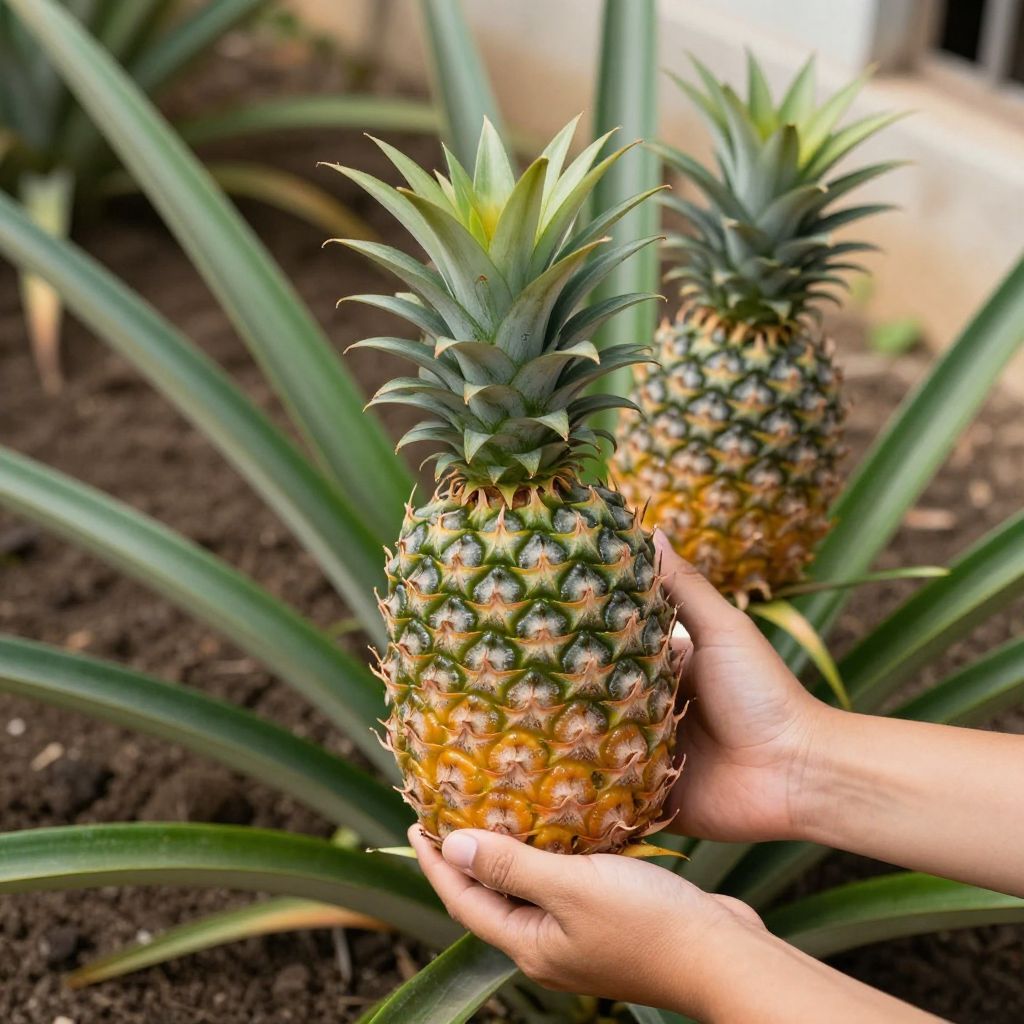
Do pineapples ripen after picking? If you’ve cut a pineapple too early, the short answer is no: it will not get sweeter or more flavorful once harvested. Pineapples can soften a little and develop a stronger aroma, but the sugar level does not increase after picking, so harvest timing matters.
That means the best “fix” is learning how to spot a ripe pineapple on the plant or in the store, then handling it correctly after harvest. If you grow pineapples at home, a few simple care and harvesting habits can make a big difference in flavor.
Do pineapples ripen after picking?
No—pineapples do not meaningfully ripen after picking. Unlike bananas or avocados, pineapple fruit does not continue converting starches into sugars once removed from the plant. It may soften slightly and smell more fragrant, but it will not become sweeter, so harvest when it is already at the flavor stage you want.
How to tell when a pineapple is ready to harvest
Whether you grow pineapple outdoors in a warm climate or in a pot indoors, the same ripeness clues apply. Look for a fruit that has developed good color, a sweet smell, and a full, plump shape.
Ripeness signs to watch for
- Color change: The fruit often shifts from mostly green to more yellow or golden at the base and sides.
- Fragrance: A ripe pineapple usually smells sweet at the bottom end.
- Firm but slightly yielding flesh: It should not be mushy, but it should not feel rock-hard either.
- Full crown and rounded eyes: The fruit should look well developed, not small and angular.
Color alone is not perfect, because some pineapples stay greener even when mature. If you can, use smell plus color plus size rather than relying on one sign.
What not to expect
- A green-picked pineapple will not become much sweeter on the counter.
- Waiting too long after harvest can lead to softening and decline, not better flavor.
- Once cut, the fruit should be eaten, chilled, or processed soon for best quality.
Growing pineapples for better flavor
If you want sweeter fruit, the real solution is better growing conditions before harvest. Pineapples need warmth, strong light, and well-drained soil to build good flavor.
Light and warmth
Pineapples grow best in full sun or very bright light. In cooler regions, they can be grown in containers and moved to a sunny patio, greenhouse, or bright indoor spot during the warm season.
- Give them as much direct sun as your climate allows without causing leaf scorch.
- Protect plants from cold snaps, because chill can slow growth and reduce fruit quality.
- In indoor growing, a south- or west-facing window is usually better than a dim room.
Soil and drainage
Pineapples dislike wet feet. Use a loose, fast-draining mix so roots get air and do not sit in soggy soil.
- In the ground, improve heavy soil with organic matter and coarse material if needed.
- In containers, choose a pot with drainage holes and a gritty, well-aerated mix.
- A slightly acidic soil is generally suitable, but drainage matters more than chasing a perfect pH number.
Watering habits
Water deeply, then let the surface of the soil dry a bit before watering again. Constantly wet soil can lead to root problems and poor fruit development.
- Water more often in hot, bright weather.
- Reduce watering when growth slows in cooler or darker conditions.
- Do not let water sit in the crown for long periods if your plant is in a cool, humid setting, because that can encourage rot.
Feeding and plant health
A healthy, steadily growing plant is more likely to produce a flavorful fruit. Use compost or a balanced fertilizer appropriate for fruiting tropical plants, but avoid overfeeding with nitrogen, which can push leafy growth at the expense of fruit quality.
- Compost can help improve soil structure in garden beds.
- In containers, refresh the potting mix periodically if it becomes compacted.
- Yellowing, stunted growth, or weak leaves often signal poor drainage, low light, or root stress.
How to harvest a pineapple at the right time
Harvesting correctly matters because the fruit will not improve afterward. Cut too early and the flavor will be flat; cut too late and the fruit may soften too much or attract pests.
- Check the fruit for a pleasant pineapple fragrance at the base.
- Look for a noticeable color shift from green toward yellow or gold.
- Test firmness gently; it should feel full and mature, not hard as a stone.
- Use clean, sharp pruners or a knife to cut the stem close to the fruit.
- Handle the crown carefully if you plan to propagate it.
If you are unsure, it is usually better to wait a little longer on the plant than to harvest too soon. Pineapples do not sweeten after picking, but they can be harvested at a more mature stage for better flavor.
What to do if you picked a pineapple too early
Unfortunately, you cannot turn an underripe pineapple into a sweeter one after harvest. You can, however, improve how you use and store it so the texture stays as good as possible.
Best handling after harvest
- Keep the fruit at room temperature only briefly if you plan to eat it soon.
- Refrigerate it if you need to slow softening.
- Cut fruit should be stored in a sealed container in the refrigerator.
An underripe pineapple may still be edible, but it often tastes tart or sharp. If the fruit is very immature, the best lesson is to adjust future harvest timing rather than waiting for post-picking ripening that will never come.
Common growing problems that affect fruit quality
Several garden issues can make a pineapple taste disappointing even if it looks ripe. Most of them are related to stress during growth rather than problems after harvest.
Poor light
Low light is one of the biggest reasons homegrown pineapples lack sweetness. Plants grown in shade often make smaller fruit with less flavor.
Overwatering
Too much water can weaken roots and slow fruit development. If the soil stays wet for long periods, fix drainage before the next crop.
Cold stress
Cool temperatures can slow growth and delay maturity. In marginal climates, container growing gives you more control over temperature and exposure.
Pests and diseases
Watch for mealybugs, scale, and root rot, especially on stressed plants. Healthy spacing, clean tools, and good air circulation help reduce problems.
- Inspect leaf bases and undersides for insects.
- Remove dead or rotting plant material promptly.
- Avoid letting water collect in poorly draining pots or beds.
Propagating pineapples from the crown
After harvesting, you can often start a new plant from the leafy crown if it is healthy. This is a useful way to keep your pineapple patch going, especially in containers or warm garden beds.
- Twist or cut off the crown cleanly from the fruit.
- Remove a few lower leaves to expose a short section of stem.
- Let the base dry and callus for a day or two if needed.
- Plant it in a small pot with fast-draining mix.
- Keep it warm and lightly moist until roots form.
Do not bury the crown too deeply. Good airflow and drainage are important, especially while the cutting is rooting.
Indoor vs. outdoor pineapple growing
The answer to do pineapples ripen after picking is the same either way, but your growing setup changes how well the plant matures fruit before harvest.
Indoor growing
Indoor pineapples need the brightest possible light, warm temperatures, and careful watering. They are more likely to produce slower growth, so patience is important.
Outdoor growing
In warm climates, pineapples can grow in the ground or in large containers. Outdoor plants often get stronger light and better airflow, which can help fruit quality if drainage is good.
In either setting, the goal is the same: grow the plant well enough that the fruit reaches full maturity before you cut it.
Quick checklist for better pineapple harvests
- Grow in bright light or full sun.
- Use fast-draining soil or potting mix.
- Water deeply, but do not keep the soil soggy.
- Watch for fragrance and color changes before harvest.
- Harvest only when the fruit is mature, because it will not sweeten later.
Conclusion
Pineapples do not ripen after picking in the way many other fruits do, so the best flavor comes from harvesting at the right stage. Focus on strong light, good drainage, and careful timing, then cut the fruit when it is fragrant, full, and starting to color. If you grow your own, check your plant now and note the ripeness signs for the next harvest.
If you want to improve your tropical fruit growing results, consider reading more about container drainage, bright-light houseplant care, and harvesting timing for other homegrown fruits.