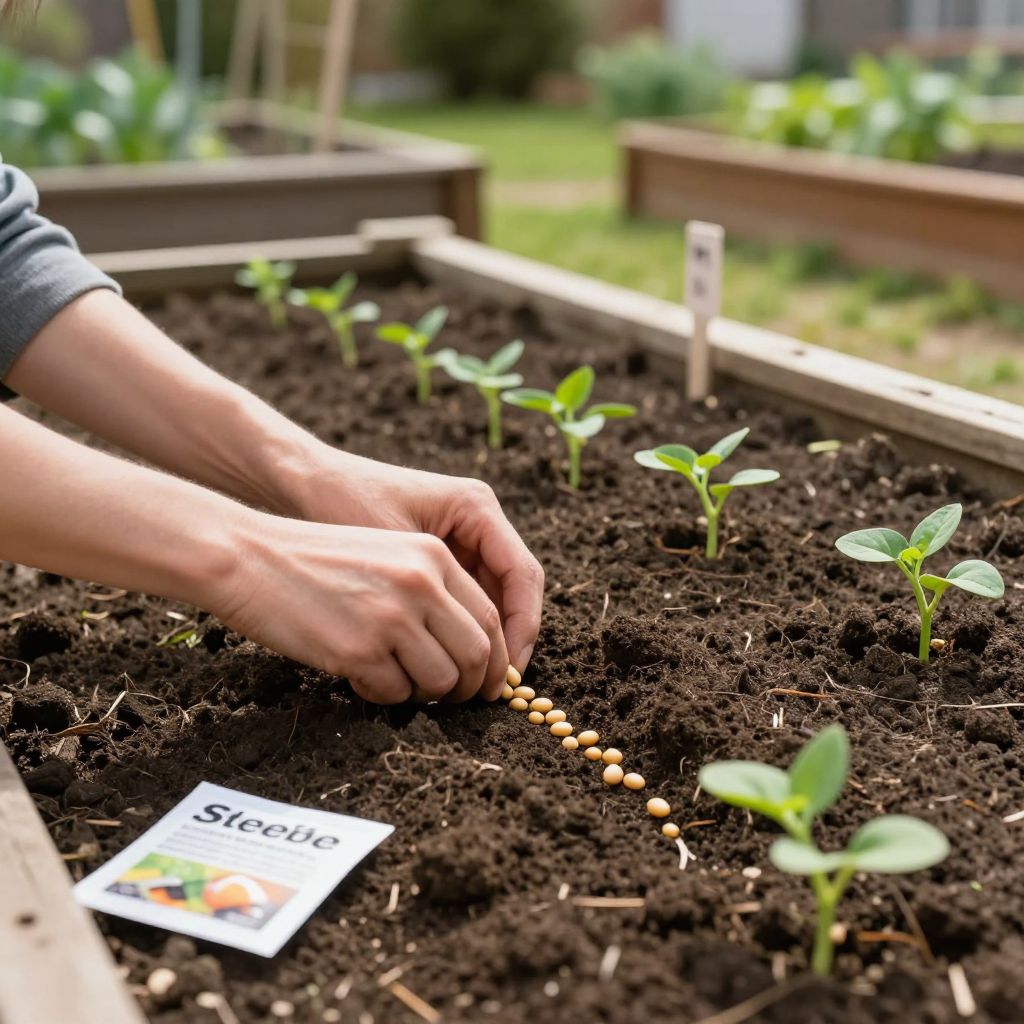
When should you plant beans? The best time is after the danger of frost has passed and the soil has warmed enough for quick germination. Beans are warm-season crops, so planting too early often leads to poor sprouting, rot, or slow growth.
The exact timing depends on your climate, soil temperature, and whether you’re growing bush beans or pole beans. With the right conditions, beans are one of the easiest vegetables to grow from seed and can produce a steady harvest in a small garden.
When to plant beans?
Plant beans outdoors in spring once frost risk is gone and soil is consistently warm, usually at least 60°F (16°C), with 70°F to 80°F (21°C to 27°C) being even better. In cool climates, wait longer rather than sowing early; in mild climates, you can often sow successive crops through summer for a longer harvest.
Why bean planting time matters
Beans germinate best in warm soil. If the ground is cold and wet, seeds can rot before they sprout, and seedlings may emerge unevenly or weakly.
Timing also affects yield. Beans grow fastest and healthiest when they are not stressed by cold nights, soggy soil, or late frost.
What happens if you plant too early?
- Seeds may sit in the soil and decay.
- Emerging seedlings can be damaged by frost.
- Growth may stall, leading to fewer flowers and pods.
What happens if you plant too late?
- Plants may face heat stress during flowering.
- Dry soil can reduce germination and pod set.
- Your harvest window may be shorter before cool weather returns.
How to know your soil is ready
Soil temperature is more reliable than the calendar. Beans usually do best when the top few inches of soil have warmed to at least 60°F (16°C), and they often perform better when it is closer to 70°F (21°C).
If you do not have a soil thermometer, use local frost dates as a guide and watch for warm days and mild nights. Cold, damp soil is a sign to wait.
Simple signs the timing is right
- Night temperatures are staying above freezing.
- The soil crumbles instead of feeling cold and sticky.
- Weeds and other warm-season crops are starting to grow actively.
Best planting window for beans by season
In most gardens, beans are a spring crop planted after the last frost date. In warmer regions, they can also be planted in late summer for a fall harvest if there is enough frost-free time left.
Spring planting
Spring is the main planting season for beans. Sow seeds once the soil has warmed and the forecast looks stable.
Summer succession planting
For a longer harvest, sow a new batch every 2 to 3 weeks while temperatures remain suitable. This works especially well for bush beans, which mature quickly.
Fall planting
Fall planting is possible in mild climates or where the first frost comes late. Count backward from your expected first frost date and choose a variety with enough days to maturity.
Outdoor vs. indoor planting
Beans are usually best direct-sown outdoors because they dislike root disturbance. Starting them indoors is rarely necessary and often gives you no advantage unless your season is very short.
Direct sowing outdoors
This is the standard method. Plant seeds directly where they will grow, which helps roots develop normally and reduces transplant shock.
Starting beans indoors
If you must start early, use biodegradable pots and transplant carefully before roots become crowded. Even then, direct sowing is usually simpler and more successful.
How to plant beans correctly
Beans are easy to sow, but a few details make a big difference. Good spacing, warm soil, and even moisture help seeds sprout quickly and plants grow strongly.
- Choose a sunny location with at least 6 to 8 hours of direct sun.
- Prepare loose, well-drained soil enriched with compost.
- Sow seeds about 1 inch deep in most soils.
- Space seeds according to the type of bean and your planting style.
- Water gently after planting to settle the soil.
Spacing basics
- Bush beans: often planted in rows with seeds a few inches apart.
- Pole beans: planted around supports or trellises with enough room for vines to climb.
Always check the packet for the exact spacing, since varieties differ. Crowding can reduce air flow and increase disease.
Soil, sun, and water needs
Beans grow best in fertile, well-drained soil with a neutral to slightly acidic pH. They do not like heavy, waterlogged ground, which can slow roots and invite disease.
Sunlight
Full sun gives the best pod production. In very hot climates, a little afternoon shade can help plants keep producing later in the season.
Soil preparation
- Work in compost before planting to improve texture and moisture retention.
- Avoid fresh manure, which can encourage leafy growth at the expense of pods.
- If your soil drains poorly, consider raised beds or mounded rows.
Watering
Keep the soil evenly moist until seedlings are established. After that, water deeply when the top inch or two of soil dries out, especially during flowering and pod fill.
Uneven watering can cause poor pod set and tough beans. Avoid soaking the bed one day and letting it dry out completely the next.
Bush beans vs. pole beans: timing differences
Both types are warm-season crops, but they behave differently in the garden. Bush beans mature faster, while pole beans take longer but keep producing over a longer period.
Bush beans
Bush beans are a good choice when you want a quick crop. Because they mature sooner, they are often better for short seasons and succession planting.
Pole beans
Pole beans need trellises, poles, or other support. Since they take longer to start producing, plant them as soon as the soil is warm enough for the season to support full growth.
Common mistakes to avoid
Most bean-growing problems begin at planting time. Avoiding a few common errors can save you from weak stands and disappointing harvests.
- Planting in cold soil: wait for warmth instead of rushing.
- Overwatering: soggy soil slows germination and can rot seeds.
- Using too much nitrogen fertilizer: beans may grow lots of leaves but fewer pods.
- Planting too deep: seeds buried too far down may emerge slowly or unevenly.
- Ignoring frost forecasts: even a light frost can damage young bean plants.
Problems after planting and how to fix them
If your beans do not come up well, the issue is often timing, moisture, or soil temperature. The good news is that many problems can be corrected before you lose the crop.
Poor germination
If seeds fail to sprout, check whether the soil was too cold, too wet, or too dry. Re-sow only after conditions improve, and avoid planting in compacted soil.
Yellowing seedlings
Young beans that turn pale may be stressed by cold soil, overwatering, or poor drainage. Let the bed warm and dry slightly between waterings.
Leaf disease and mildew
Overcrowding, wet leaves, and poor airflow can encourage disease. Space plants properly, water at the base, and remove badly affected foliage if needed.
Insect pests
Watch for beetles, aphids, and bean beetles depending on your region. Inspect plants regularly and remove pests early before they spread.
Harvesting beans at the right time
Harvesting is part of good bean timing too. Pick pods when they are young, firm, and tender for the best flavor and texture.
Frequent picking encourages more production, especially on bush beans. If pods become large and stringy, the plant may slow down flowering and pod set.
How often to harvest
- Check plants every 2 to 3 days during peak production.
- Pick before seeds bulge heavily inside the pods.
- Use scissors or pinch pods off gently to avoid damaging stems.
Can you plant beans in containers?
Yes, beans can grow well in containers if the pot is large enough and drains well. Bush beans are usually the easiest choice for pots, while pole beans need sturdy support and a deeper container.
Use a quality potting mix, place the container in full sun, and water more often than you would in the ground because pots dry out faster.
Quick planting checklist
- Wait until frost danger has passed.
- Make sure soil is at least 60°F (16°C).
- Choose a sunny, well-drained site.
- Plant seeds about 1 inch deep.
- Water evenly, but do not keep soil soggy.
- Harvest often once pods are ready.
Final thoughts
When to plant beans comes down to warm soil, safe frost timing, and steady growing conditions. If you wait a little longer for the right weather, your seeds are far more likely to sprout quickly and grow into productive plants.
For more practical vegetable-growing advice, you may also want to read about how to grow bush beans and how to build a simple garden trellis for pole beans.