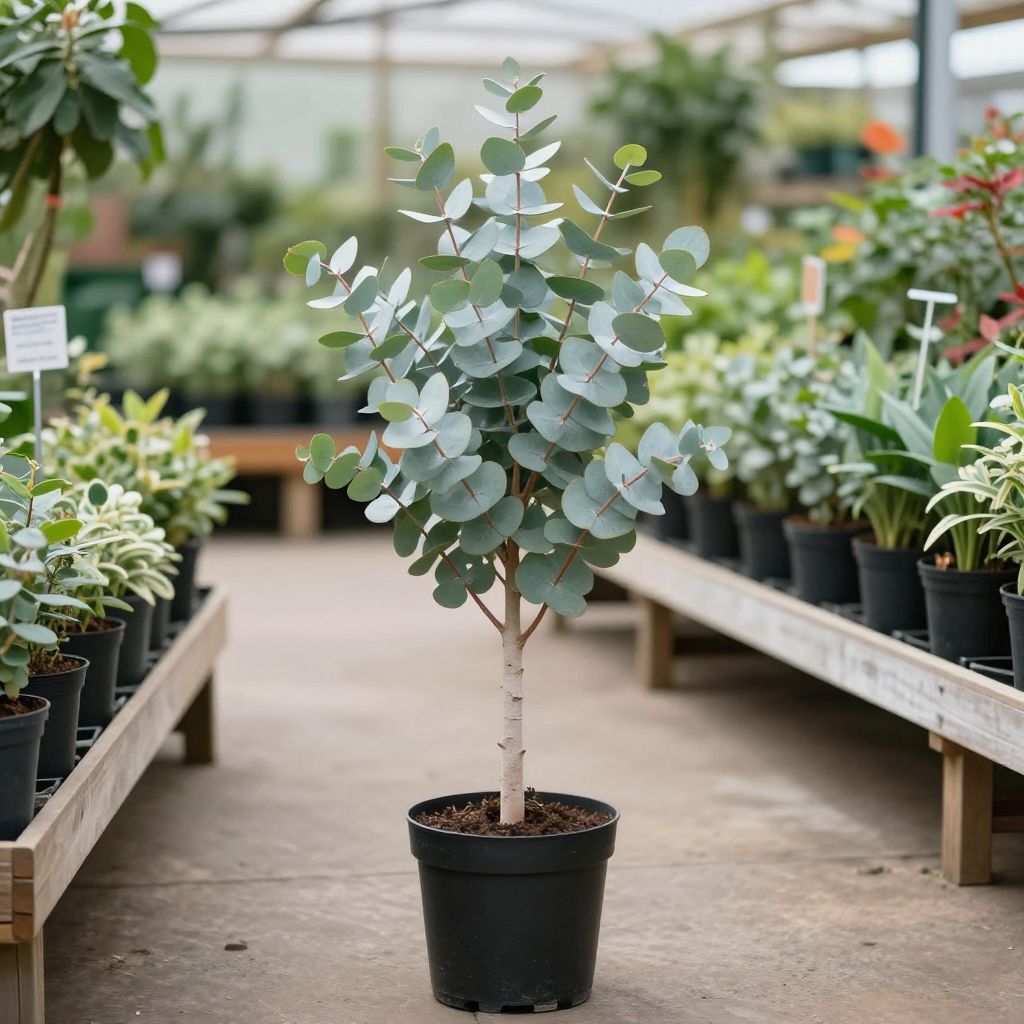
Trying to figure out where to buy a eucalyptus plant can feel confusing because these fast-growing plants are sold in different forms, from small seedlings to potted trees. The best source depends on your climate, whether you want an indoor specimen, and how quickly you want results.
Buy from a reputable nursery or garden center whenever possible, because you can inspect the plant’s health, choose a size that fits your space, and get advice suited to your area. If local stock is limited, trusted online plant retailers can be a good option, especially for common eucalyptus types grown in containers or for warm-climate gardens.
Where to buy eucalyptus plant?
You can buy eucalyptus plants from local nurseries, garden centers, specialty tree growers, and reputable online plant shops. For the healthiest start, choose a seller that labels the botanical name, plant size, and growing requirements. Avoid bargain plants with root problems, yellowing leaves, or unclear variety information.
Best places to buy eucalyptus plants
Local garden centers and nurseries
This is usually the safest place to start. You can check leaf color, stem strength, root condition, and overall shape before you buy.
Local nurseries are especially helpful if you want a eucalyptus suited to your region’s heat, winter lows, wind, and rainfall patterns. Staff can also tell you whether the plant is better kept in a large container or planted in the ground.
Specialty tree and shrub growers
If you want a larger plant or a more specific eucalyptus selection, specialty growers often have better stock than general retailers. They may offer stronger root systems and more detailed care guidance.
This is a good choice if you are planning a landscape planting and want a plant with a better head start than a tiny plug or seedling.
Reputable online plant retailers
Online nurseries are useful when local stores do not carry eucalyptus or when you want a specific species. Look for clear plant descriptions, shipping policies, and customer reviews that mention plant condition on arrival.
Choose sellers that ship at the right time of year for your climate. A healthy eucalyptus can still suffer if it arrives during extreme heat, cold, or a prolonged shipping delay.
Farmers’ markets and plant sales
Some local plant sales offer eucalyptus grown by small growers. These can be excellent buys if the plants are well cared for and correctly labeled.
Ask how long the plant has been in its pot and whether it has been hardened off for outdoor conditions. That matters more than price alone.
How to choose a healthy eucalyptus plant
Whether you buy locally or online, inspect the plant carefully before bringing it home. A good eucalyptus should look vigorous, not rushed or stressed.
- Leaves: Look for even color and firm foliage, not widespread yellowing or browning.
- Stems: They should be sturdy, not soft, shriveled, or broken.
- Roots: Avoid plants with roots circling tightly out of drainage holes or pushing the plant upward.
- Potting mix: It should drain well, not stay soggy or smell sour.
- Pests: Check for sticky residue, webbing, scale, aphids, or distorted new growth.
If you are buying online, read the product details closely. You want to know the plant’s mature size, whether it is suitable for containers, and whether it needs full sun and excellent drainage.
What kind of eucalyptus should you buy?
Not every eucalyptus fits every garden. Some types are large trees, while others stay smaller or can be maintained in containers with regular pruning.
Before buying, think about your space and climate. Eucalyptus generally prefers full sun, well-drained soil, and mild to warm conditions. In colder regions, some gardeners grow it in pots and move it indoors or into protection during winter.
For containers
Choose a compact type or a young plant that can be kept pruned. Container-grown eucalyptus needs excellent drainage and a pot that is large enough to support root growth without staying wet.
For outdoor planting
If your area is warm enough, select a species or cultivar suited to your local conditions and mature size. A plant that looks cute in a small pot may become a large tree much faster than expected.
Buying eucalyptus online: what to watch for
Online shopping is convenient, but it comes with a few risks. The biggest issues are shipping stress, poor packaging, and plants that arrive smaller or weaker than expected.
- Read the full listing, not just the photos.
- Check the botanical name and mature size.
- Look for live-arrival guarantees and return policies.
- Review recent customer feedback about plant quality.
- Make sure the seller ships to your climate at the right time.
When the plant arrives, unpack it right away. Water lightly if the mix is dry, place it in bright light, and let it recover before repotting or planting outdoors.
How to plant eucalyptus after you buy it
After purchase, the next step is giving the plant the right home. Eucalyptus fails most often when it is planted in heavy, wet soil or moved too abruptly into harsh conditions.
In the ground
- Choose a site with full sun and good air movement.
- Make sure the soil drains well after rain.
- Dig a hole only as deep as the root ball and slightly wider.
- Backfill with the native soil unless it is extremely poor or compacted.
- Water deeply after planting, then monitor moisture carefully while it establishes.
In a pot
- Use a container with drainage holes.
- Select a fast-draining potting mix.
- Repot only when roots begin to crowd the container.
- Place the pot where it gets strong light and good airflow.
Do not bury the trunk too deeply. A eucalyptus planted too low can suffer from rot and poor growth.
Growing tips for healthy eucalyptus
Eucalyptus is not difficult if you match it to the right conditions. The main priorities are light, drainage, and avoiding overwatering.
- Sunlight: Aim for full sun outdoors whenever possible.
- Watering: Water when the top layer of soil begins to dry, but do not let the plant sit in water.
- Soil: Use free-draining soil or a gritty mix in containers.
- Pruning: Light pruning helps shape young plants and control size.
- Airflow: Good circulation helps reduce fungal problems.
Young plants need more regular attention than established ones. Once rooted, eucalyptus is often more tolerant of dry spells than of soggy soil.
Common problems after purchase
Yellowing leaves
This often points to too much water, poor drainage, or transplant stress. Check the potting mix first before assuming the plant needs more fertilizer.
Leaf drop
Some leaf drop is normal after transport or repotting. If the plant is losing many leaves quickly, review light levels, watering, and temperature swings.
Leggy growth
Weak, stretched growth usually means the plant has not had enough light. Move it to a brighter location and prune lightly if appropriate.
Pests
Watch for aphids, scale, spider mites, and mealybugs, especially on indoor or greenhouse-grown plants. Wipe small infestations off early and isolate affected plants if needed.
How to avoid buying a weak eucalyptus
The easiest mistake is choosing the cheapest plant without checking its roots or growing conditions. A low-priced eucalyptus can become expensive if it fails after planting.
- Do not buy a plant that is rootbound and stressed unless you are comfortable correcting it.
- Do not choose a eucalyptus without knowing its mature size.
- Do not plant it in a low spot where water collects.
- Do not assume all eucalyptus is winter-hardy in your area.
If you are unsure, ask the seller for the botanical name and the expected mature height and spread. That simple step can save you from buying the wrong plant for your space.
Final thoughts
The best place to buy eucalyptus plant material is usually a trusted local nursery, followed by a reputable online seller if local options are limited. Choose a healthy plant, match it to your climate, and give it sun, drainage, and careful watering for the best start.
If you want to keep researching before you buy, look for more guidance on container gardening and selecting the right trees and shrubs for your climate.