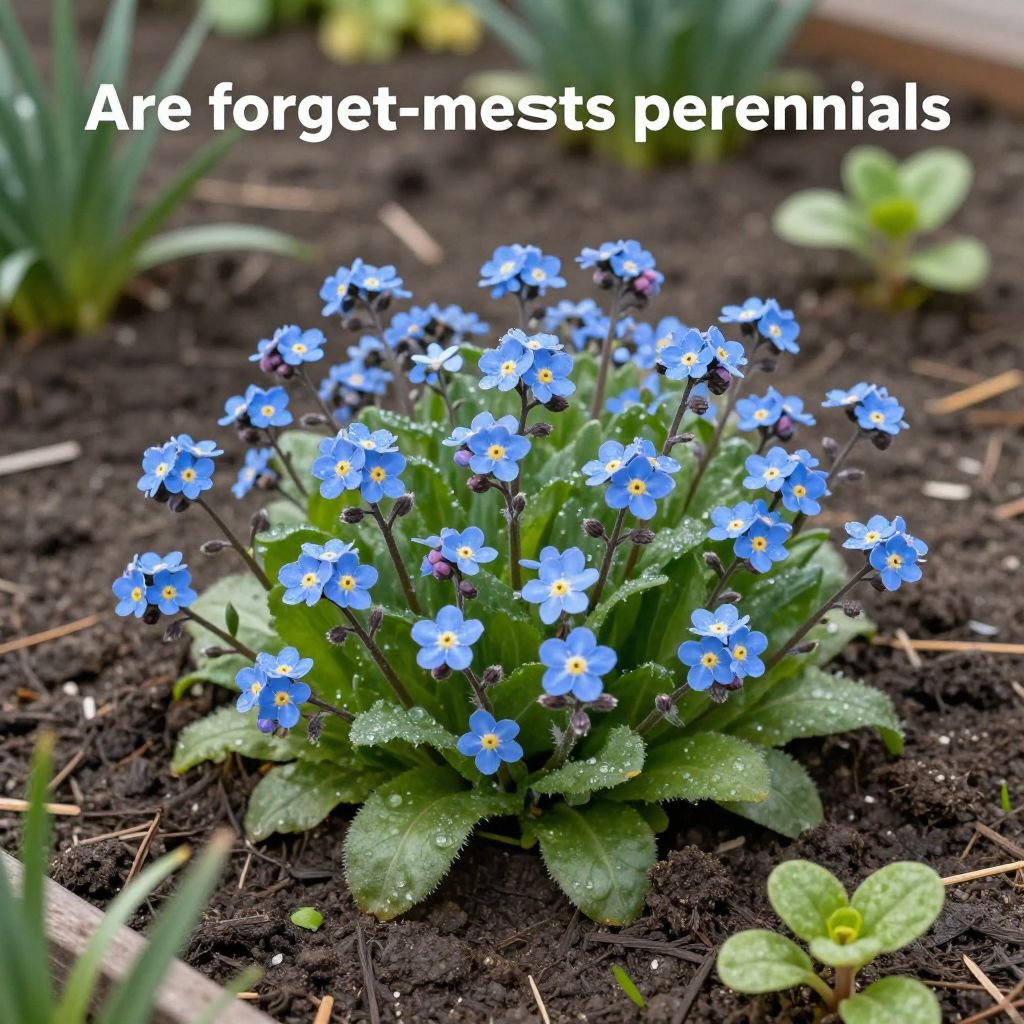
Are forget me nots perennials? The short answer is: some are, but many garden plants sold as “forget me nots” are short-lived or self-seeding biennials and annuals rather than true long-term perennials. The most common garden forget-me-not, Myosotis sylvatica, often behaves as a cool-season biennial or short-lived perennial depending on climate and conditions.
If you want reliable spring color, it helps to know which type you have and how to grow it. With the right site, these charming blue flowers can return on their own, reseed gently, or be refreshed by new seedlings each year.
Are forget me nots perennials?
Some forget-me-nots are perennial, but many are not long-lived in the garden. Myosotis sylvatica is commonly grown as a biennial or short-lived perennial, while other species may be annuals or perennials. In practice, many gardeners rely on self-seeding for repeat blooms rather than expecting the original plant to last for many years.
Understanding the different types of forget-me-nots
“Forget me not” is a common name used for several plants in the Myosotis genus. That’s why answers about lifespan can seem mixed.
Common garden forget-me-not
Myosotis sylvatica is the one most often sold in garden centers. It usually forms a low clump of leaves, flowers in spring, and may fade in summer heat.
Water forget-me-not
Myosotis scorpioides is a moisture-loving species often used near ponds or wet borders. It can be perennial in the right conditions and may spread by creeping growth.
Annual or biennial behavior
Some forget-me-nots complete their life cycle in one or two seasons. Even when the plant itself doesn’t persist, it may return from seed if conditions suit it.
What makes forget me nots come back year after year?
Forget-me-nots return best when they can grow in cool conditions, set seed, and establish new plants before hot weather arrives. In mild climates, some plants survive longer. In warmer or drier gardens, they often decline after flowering unless they reseed freely.
- Cool temperatures support longer bloom and stronger growth.
- Moist, evenly watered soil helps plants stay healthy.
- Partial shade can extend flowering in warmer regions.
- Self-seeding is often the main way they persist.
How to grow forget me nots successfully
Forget-me-nots are easy to grow if you match their preferences. They like cool weather, consistently moist soil, and a site that does not dry out too quickly.
Light
Most forget-me-nots grow well in partial shade, especially in warmer climates. Morning sun with afternoon shade is often ideal. In cooler regions, they can tolerate more sun if the soil stays moist.
Soil
Use rich, well-drained soil that holds moisture without becoming soggy. Adding compost before planting improves texture and helps young plants establish faster.
Water
Keep the soil evenly moist, especially while plants are blooming and setting seed. Dry soil can shorten flowering and cause plants to decline early.
Spacing
Allow enough room for air movement. Crowded plants are more likely to develop disease, especially in damp spring weather.
Planting forget me nots in the garden
Whether you start from seed or buy young plants, the goal is the same: give them cool, moist conditions and a place where they can naturalize gently.
- Choose a spot with partial shade and moist, fertile soil.
- Work in compost to improve soil structure and water retention.
- Plant seedlings at the same depth they were growing in their pots.
- Water well after planting to settle the soil around the roots.
- Mulch lightly to help keep moisture in the soil.
If you are sowing seed, follow the packet directions for your specific type. Many forget-me-not seeds germinate best with light and cool temperatures, so avoid burying them too deeply unless the seed instructions say otherwise.
Do forget me nots reseed themselves?
Yes, many forget-me-nots reseed readily. This is one reason they seem perennial even when the original plant is short-lived. If you let some flowers mature, you may get new seedlings the following season.
How to encourage self-seeding
- Leave a few flower clusters on the plant after flowering.
- Avoid deadheading every bloom if you want volunteers.
- Let seed drop naturally into nearby soil.
- Keep the bed lightly mulched, not deeply buried, so seedlings can emerge.
How to prevent too many seedlings
If you prefer a tidier bed, deadhead spent flowers before they set seed. You can also thin seedlings in spring to prevent overcrowding.
Seasonal care and maintenance
Forget-me-nots are usually at their best in spring and early summer. Their care changes as the weather warms.
Spring
Watch for active growth, water during dry spells, and remove weeds that compete with young plants. This is the main bloom period for most types.
Summer
In many gardens, plants decline as temperatures rise. This is normal. If the foliage looks tired, you can cut plants back lightly after flowering or remove them if you want to replant the area.
Fall
In mild climates, new seedlings may appear in autumn. These can overwinter and bloom the following spring if they have time to establish.
Pruning, deadheading, and cleanup
Forget-me-nots do not need heavy pruning. Simple cleanup is usually enough.
- Deadhead if you want to reduce self-seeding.
- Leave some flowers if you want natural reseeding.
- Cut back tired plants after blooming if they look messy.
- Remove diseased foliage promptly to limit spread.
Do not shear the plant too aggressively while it is still flowering. That can reduce seed set and shorten the display.
Common problems and how to fix them
Plants disappear after blooming
This is often normal, especially in warm weather. Many forget-me-nots finish their cycle after flowering. If you want them back, encourage reseeding or sow fresh seed each year.
Weak flowering
Too much shade, poor soil, or drought can reduce blooms. Move plants to a brighter spot with morning sun, enrich the soil with compost, and keep moisture steady.
Powdery mildew or leaf spots
These problems are more common in crowded, humid plantings. Improve spacing, water at the base rather than overhead, and remove affected leaves if the problem is minor.
Slugs and snails
Young forget-me-not foliage can attract slugs, especially in damp gardens. Check plants in the evening, reduce hiding places, and protect seedlings if damage is heavy.
Best uses in the landscape
Forget-me-nots are useful where you want soft spring color and a natural look. They work well in cottage gardens, woodland edges, and under spring bulbs.
- Edging shady borders
- Filling gaps around tulips and daffodils
- Softening paths and stone edges
- Naturalizing in moist, lightly shaded areas
Because they can self-seed, place them where a relaxed, informal spread will not become a problem. If you want a very formal bed, keep deadheading and thinning seedlings.
How to keep forget me nots coming back
If your goal is repeat blooms, think in terms of renewal rather than permanence. The best strategy is to let some plants reseed while replacing older clumps as needed.
- Grow them in a cool, partly shaded spot.
- Keep the soil evenly moist and enriched with compost.
- Allow a few flowers to go to seed each year.
- Thin seedlings so the strongest plants can develop.
- Replant or resow if your climate is too hot for long-term survival.
Key point: forget-me-nots are often treated as “perennials” in the garden because they return through self-seeding, even when the original plant is short-lived.
Conclusion
So, are forget me nots perennials? Sometimes, but not always in the way gardeners expect. Many are short-lived plants that come back by seed rather than by living for many years. If you want them to return, give them cool shade, moist soil, and room to reseed naturally.
If you’re planning a spring border, it may also help to read more about companion planting with spring bulbs and growing forget-me-nots for more practical garden tips.