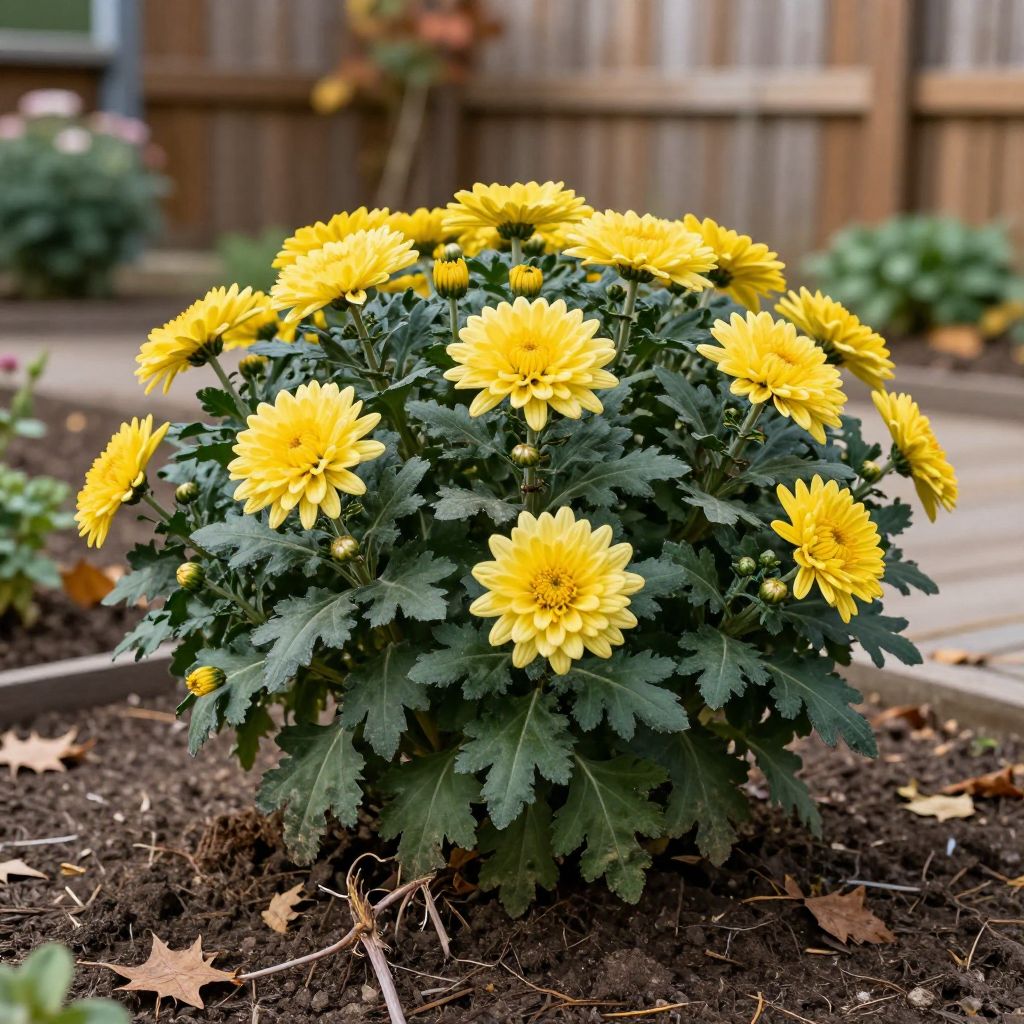
Are mums perennials or annuals? The short answer is: garden mums are usually perennials, but many are treated like annuals because they’re often planted late, pushed into bloom, or not given the right conditions to return. Whether your mums come back depends on the type, your climate, planting time, and how well you care for them after flowering.
If you want mums to survive beyond one season, the key is to plant them early enough to establish roots and give them the drainage, sunlight, and winter protection they need. With the right care, many hardy mums can return year after year.
Are mums perennials or annuals?
Mums, or chrysanthemums, are perennials in many gardens, especially hardy garden mums sold for outdoor planting. However, florist mums and some fall display plants are less likely to survive winter outdoors. If you buy mums in autumn, they may bloom beautifully once and then fail to overwinter simply because they were planted too late to root in.
What kind of mum did you buy?
Not all mums are the same, and that’s where the confusion starts. The type you choose makes a big difference in whether the plant returns next year.
Garden mums
Garden mums are bred for outdoor growing and are the most likely to act as perennials. They’re usually sold in pots at garden centers and can be planted in beds or borders.
Florist mums
Florist mums are often grown for indoor display or cut flowers. They may look similar, but they are not always as cold-hardy or long-lived outdoors.
Fall “blooming” mums
These are the potted mums you see in late summer and fall. They’re often in full color when purchased, but that doesn’t mean they’ve had time to build a strong root system before cold weather arrives.
Why some mums come back and others don’t
Mums fail for a few common reasons: they were planted too late, the soil stayed wet in winter, the plant was weak from the start, or the variety was not suited to your climate. Even hardy mums need time to settle in before freezing weather arrives.
For best results, plant mums in spring or early summer if you want them to behave like true perennials. That gives them a full growing season to establish roots before winter.
Key factors that affect overwintering
- Planting time: Earlier planting improves survival.
- Drainage: Wet soil can rot roots in winter.
- Sunlight: Mums need full sun to grow strong and bloom well.
- Climate: Very cold winters or warm, wet winters can both cause problems.
- Plant health: Stressed plants are less likely to return.
How to grow mums so they behave like perennials
If your goal is to keep mums from year to year, treat them like long-term landscape plants rather than temporary decorations. That means choosing a good site and caring for them after bloom, not just during the flowering season.
Choose the right planting spot
Plant mums in a location with at least 6 hours of direct sun daily. Morning sun is especially helpful because it dries leaves quickly and lowers disease risk.
The soil should be loose, fertile, and well drained. If your soil is heavy clay, mix in compost to improve structure, but avoid creating a planting hole that acts like a bathtub and holds water.
Planting tips for success
- Plant in spring or early summer whenever possible.
- Space plants so air can move around them.
- Set the crown at the same level it was growing in the pot.
- Water thoroughly after planting.
- Mulch lightly to conserve moisture, but keep mulch away from the stem.
Watering and feeding
Mums like evenly moist soil, especially while they are getting established. Water deeply when the top inch of soil feels dry, but do not let them sit in soggy ground.
Use compost or a balanced, slow-release fertilizer if your soil is poor. Avoid overfeeding late in the season, since too much soft growth can reduce winter hardiness.
How to care for mums after they bloom
Many gardeners lose mums because they stop caring for them after the flowers fade. If you want them to return, post-bloom care matters just as much as planting care.
Deadhead spent flowers
Remove faded blooms to keep the plant tidy and encourage energy to go into the roots rather than seed production. This also helps extend the display on some varieties.
Cut back at the right time
After flowering ends and the foliage begins to die back, you can cut stems down. In colder areas, many gardeners leave some growth in place until spring to help mark the plant’s location and offer a little winter protection.
Mulch for winter protection
Once the ground cools, add a light layer of mulch around the base of hardy mums. Straw, shredded leaves, or compost can help buffer temperature swings. Keep the mulch loose and avoid burying the crown.
Important: In very wet climates, too much mulch can trap moisture and encourage rot. Use just enough to protect roots, not enough to smother them.
Can you overwinter mums in pots?
Potted mums are more vulnerable than in-ground plants because roots in containers experience more temperature swings and dry out faster. They can survive, but they usually need extra care.
Container overwintering tips
- Move pots to a sheltered spot out of harsh wind.
- Keep the soil slightly moist, not wet.
- Insulate the container if your winters are cold.
- Use a pot with drainage holes.
- Consider sinking the pot into the ground for winter if your climate allows.
If your winters are severe, container mums are often best treated as seasonal plants unless you can provide real protection.
Pinching and pruning for fuller plants
Pinching is one of the best ways to get mums to grow bushier and bloom more heavily. It also helps prevent tall, floppy stems.
How to pinch mums
When new growth is about 4 to 6 inches tall, pinch off the top inch or two of each stem. Repeat every few weeks until midsummer, then stop so the plant can set buds.
This simple habit encourages branching and creates a denser plant with more flowers. If you pinch too late in the season, however, you may delay blooming.
Common problems with mums
Mums are generally easy to grow, but a few issues come up often. Catching them early can make the difference between a one-season plant and a returning perennial.
Yellowing leaves
Yellow leaves can mean overwatering, poor drainage, nutrient stress, or natural aging. Check the soil first. If it stays wet for long periods, improve drainage before adding more water or fertilizer.
Powdery mildew
This fungal problem shows up as a white coating on leaves, especially in humid conditions or crowded plantings. Improve airflow, avoid overhead watering, and remove badly affected foliage.
Root rot
Root rot is a major reason mums die back. It usually happens in wet soil or containers without good drainage. Once roots rot, recovery is difficult, so prevention is the best fix.
Aphids and other pests
Aphids can cluster on tender growth and distort leaves. A strong spray of water can knock them off, and insecticidal soap may help if the infestation is light and caught early.
How to tell if your mum is perennial in your garden
Even if a mum is technically hardy, it still has to match your local conditions. A plant that thrives in one region may struggle in another.
Ask yourself these questions:
- Was it planted early enough to establish roots?
- Does your soil drain well in winter?
- Does your climate stay within the plant’s hardiness range?
- Did the plant stay healthy through the growing season?
- Was it a garden mum rather than a florist mum?
If the answer to most of these is yes, your chances of getting a perennial return are much better.
Best practices for long-term mum care
If you want mums to act like dependable perennials, focus on the basics: sun, drainage, early planting, and moderate care. The plant does not need constant attention, but it does need the right foundation.
- Plant in full sun.
- Use well-drained soil enriched with compost.
- Water consistently during establishment.
- Pinch in spring and early summer for fuller growth.
- Stop fertilizing late in the season.
- Protect roots from winter wet and temperature swings.
Conclusion
So, are mums perennials or annuals? They can be either, but garden mums are perennials when they’re planted early, grown in the right conditions, and protected through winter. If you want yours to come back, plant them in a sunny, well-drained spot and give them a full season to settle in before cold weather arrives.
For more practical seasonal planting advice, you may also want to read related gardening guides on choosing the right planting site and how to improve garden soil drainage.