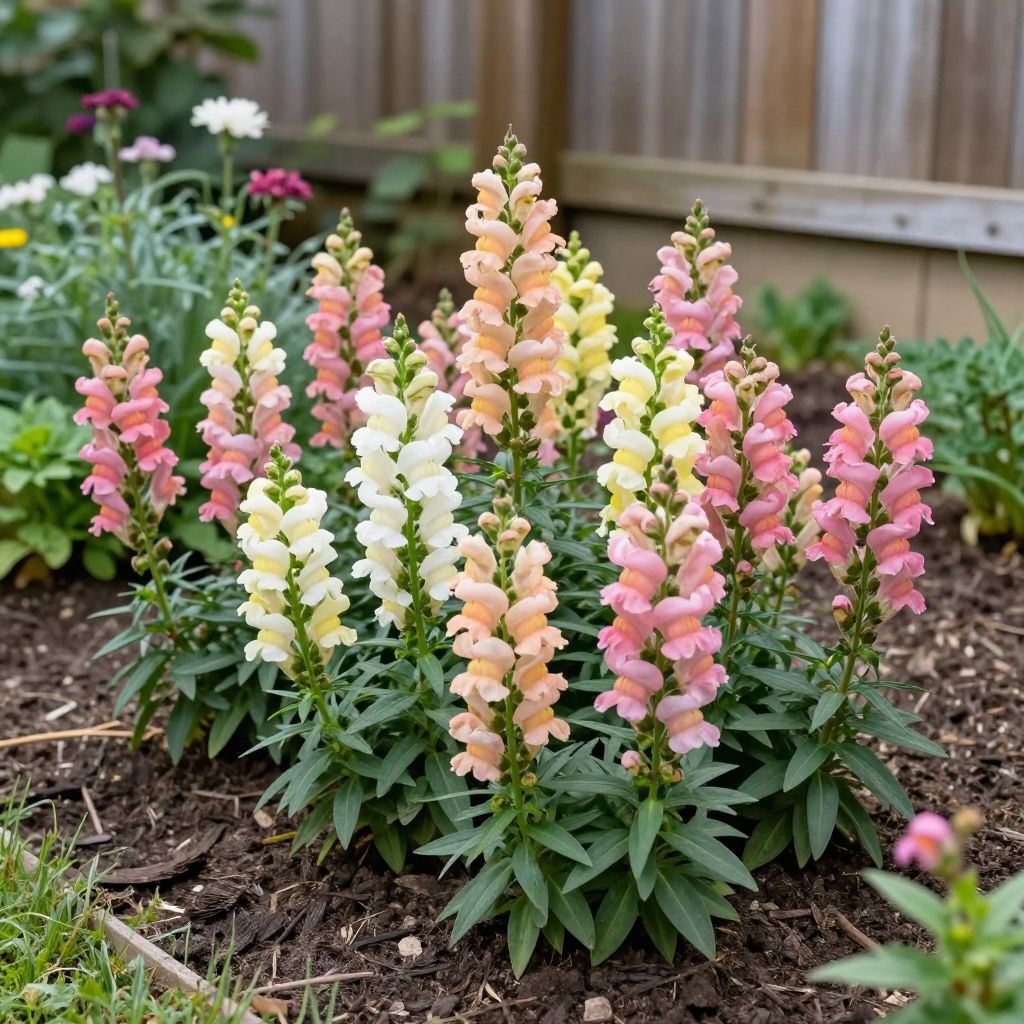
Are snapdragons deer resistant? In many gardens, yes—mostly, but not completely. Snapdragons (Antirrhinum majus) are often left alone because of their texture and scent, yet hungry deer may still sample them, especially when food is scarce.
If you want dependable blooms and fewer deer problems, snapdragons can be a smart choice. The key is to grow them in the right conditions and understand that “deer resistant” means less likely to be eaten, not deer-proof.
Are snapdragons deer resistant?
Snapdragons are generally considered deer resistant because deer usually prefer softer, more tender plants. However, resistance is not the same as immunity. In areas with heavy deer pressure, young snapdragon plants, flower spikes, or stressed plants may still be browsed, especially during drought, winter, or when other food is limited.
Why deer usually avoid snapdragons
Deer tend to choose plants that are easy to chew and high in moisture. Snapdragons often rank lower on their menu because they have a slightly bitter taste and a more fibrous texture than many bedding flowers.
What makes them less appealing
- Texture: The stems and foliage are not as tender as many deer favorites.
- Scent and taste: Snapdragons are not especially palatable to deer.
- Flower structure: The blooms are less “snackable” than broad, soft petals.
That said, deer behavior changes with the season, local population, and available food. A plant that is usually ignored in one garden may be browsed in another.
When snapdragons may still get eaten
Even deer-resistant plants can be damaged. If deer are hungry enough, they may nip snapdragons, especially the tender new growth and flower spikes.
Higher-risk situations
- Newly planted seedlings with soft stems
- Gardens near woods, fields, or deer trails
- Dry periods when natural forage is limited
- Late fall and winter, when food is scarce
- Gardens with little fencing or pressure from other deer-attracting plants nearby
If deer are a serious problem in your area, treat snapdragons as part of a broader strategy, not your only defense.
How to grow snapdragons so they stay healthy and less tempting
Healthy snapdragons are more likely to recover from light browsing and less likely to fail after stress. Give them cool weather, good drainage, and steady care so they grow strongly from the start.
Best growing conditions
- Sunlight: Full sun is best, though light afternoon shade can help in hot climates.
- Soil: Rich, well-drained soil is ideal.
- Drainage: Avoid soggy beds; snapdragons dislike wet roots.
- Airflow: Good spacing helps reduce fungal disease.
In mild climates, snapdragons often bloom best during cool seasons. In hotter regions, they may slow down or decline when temperatures rise, so timing matters.
Soil preparation
Before planting, loosen the soil and mix in compost if your ground is poor or compacted. Compost improves structure and moisture balance, but don’t overdo it in heavy clay; drainage still matters more than rich soil alone.
If your bed stays wet after rain, consider raised beds or mounded planting areas. Snapdragons perform poorly in waterlogged soil and may become more vulnerable to pests and disease when stressed.
Planting snapdragons in deer-prone gardens
Because deer often browse the softest new growth, the first few weeks after planting are important. Give young plants a good start and add protection if deer pressure is high.
Practical planting tips
- Choose a site with at least 6 hours of sun where possible.
- Work in compost if the soil is lean, but keep drainage open.
- Space plants so air can move between them.
- Water deeply after planting to settle roots.
- Use temporary protection if deer are active nearby.
For containers, use a high-quality potting mix with drainage holes. Pots can be easier to protect than in-ground beds, but deer may still browse containers placed at ground level.
Protecting snapdragons from deer
If you know deer visit your yard, combine snapdragons with simple protection methods. No single method works perfectly, but a few together can make a big difference.
Most effective protection methods
- Fencing: The most reliable option for repeated deer pressure.
- Netting or row cover: Useful for young plants or temporary protection.
- Deer repellents: Can help, especially when reapplied as directed and after rain.
- Plant placement: Put snapdragons closer to the house, patio, or other human activity.
- Companion planting: Mix them with plants deer usually avoid, though this is not foolproof.
Important: Repellents work best as a deterrent, not a guarantee. If deer are very hungry, they may still test the plants.
Common mistakes to avoid
- Planting snapdragons at the edge of woods without protection
- Assuming one spray will protect them all season
- Letting weeds or overgrown plants hide deer damage
- Overwatering, which weakens roots and invites disease
- Using too much nitrogen, which can create soft growth deer may prefer
Watering, pruning, and maintenance for stronger plants
Snapdragons handle deer pressure better when they are not already stressed by poor care. Keep them growing steadily, but avoid pushing too much soft growth.
Watering guidance
Water when the top inch of soil feels dry, adjusting for weather, soil type, and plant size. Young plants need more consistent moisture than established ones, but the soil should never stay soggy.
Deep, less frequent watering is usually better than shallow daily sprinkling. Wet foliage late in the day can also encourage disease, especially in humid climates.
Pruning and deadheading
Remove spent flower spikes to encourage more blooms and keep the plant tidy. If deer nibble the top growth, trim back cleanly to healthy stems and watch for new side shoots.
In cooler weather, snapdragons often rebound well after light damage. If browsing is severe, the plant may need extra time to recover or may not flower as strongly again.
Common pests and diseases that matter in deer-resistant plantings
Deer resistance does not mean problem-free. Snapdragons can still face insect damage and fungal issues, especially if plants are crowded or overwatered.
Watch for these issues
- Aphids: Often cluster on tender growth and buds.
- Rust or leaf spots: More likely in damp, crowded conditions.
- Powdery mildew: Can appear when airflow is poor.
- Root problems: Usually tied to excess moisture and poor drainage.
If you see damaged leaves, check carefully before assuming deer are the cause. Sometimes insects, weather stress, or disease are responsible for the decline.
Can you make snapdragons more deer resistant?
You cannot make any plant completely deer-proof, but you can make snapdragons less attractive and easier to protect. Healthy, well-sited plants are less likely to fail after a little browsing.
Best ways to improve your odds
- Plant them in a sunny, visible area near the house.
- Avoid overfertilizing, which produces lush, tempting growth.
- Keep the soil evenly moist, not wet.
- Use repellents early, before deer get used to the plants.
- Protect young transplants until they are established.
If deer pressure is intense, consider combining snapdragons with stronger protection or using them in containers that are easier to move and guard.
Best uses for snapdragons in the landscape
Snapdragons are useful where you want color, height, and a bit of deer resistance. They work well in borders, cottage gardens, containers, and cutting beds.
Good placement ideas
- Front-of-border plantings where you can monitor deer activity
- Mixed beds with other cool-season annuals
- Patio containers and window boxes
- Cut flower gardens, especially in cooler months
Because deer browsing can be unpredictable, avoid relying on snapdragons alone in a high-pressure area. Mix them with other plants that suit your climate and site conditions.
Bottom line: are snapdragons deer resistant?
Yes, snapdragons are generally deer resistant, but not deer-proof. They are a good choice if you want colorful blooms and a plant deer often ignore, especially when you give them full sun, well-drained soil, and steady care.
If deer visit your garden regularly, pair snapdragons with fencing, repellents, or smart placement. For more ideas on managing deer pressure, you may also want to read what to feed deer so you can better understand their behavior around your landscape.