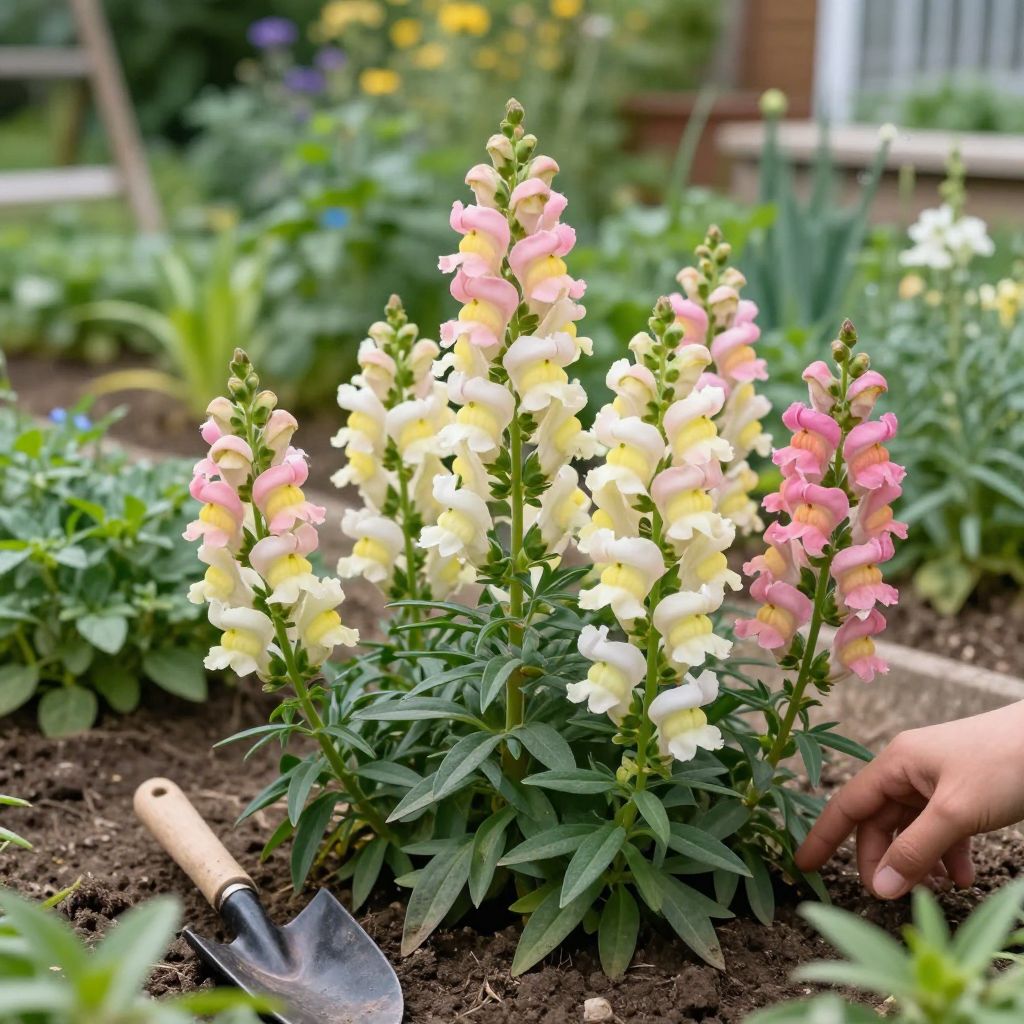
Are snapdragons annuals or perennials? The short answer is: it depends on your climate. In many gardens, snapdragons are grown as cool-season annuals, but in mild regions they can act like short-lived perennials and may survive winter to bloom again.
Knowing which type you have helps you plant them at the right time, care for them properly, and decide whether to expect one season of color or a longer-lived plant.
Are snapdragons annuals or perennials?
Snapdragons (Antirrhinum majus) are usually treated as annuals in colder climates because frost kills the plants. In mild-winter areas, they can behave as short-lived perennials or tender perennials, especially if the roots survive winter and the plants avoid extreme heat and humidity.
Why snapdragons act differently in different gardens
Snapdragons are naturally cool-season plants. They grow best when days are mild and nights are cool, which is why they often bloom heavily in spring and fall.
In hot summers, many snapdragons slow down, decline, or stop flowering. In freezing winters, they usually die back unless your climate is mild enough for them to overwinter.
Annual in cold climates
If your area has hard freezes, snow cover, or long periods below freezing, snapdragons are best treated as annuals. You plant them, enjoy the flowers, and replace them the following year.
Perennial or short-lived perennial in mild climates
In regions with gentle winters, snapdragons may survive and return. Even then, they are usually not long-lived perennials, so it is smart to replant or collect seed as backup.
How to grow snapdragons successfully
Whether you treat them as annuals or perennials, snapdragons need the same basic care: cool temperatures, good drainage, and enough sun to flower well.
Sunlight
- Give snapdragons full sun for the best flowering.
- In very hot climates, they often appreciate afternoon shade.
- Too much shade can lead to tall, floppy plants with fewer blooms.
Soil and drainage
- Use soil that drains well and does not stay soggy.
- Mix in compost to improve structure and add gentle fertility.
- Avoid heavy, waterlogged beds, which can encourage root rot.
If your soil is clay-heavy, consider planting in raised beds or containers with a quality potting mix. Good drainage is one of the most important factors for healthy snapdragons.
Watering
Water newly planted snapdragons regularly until they establish. After that, keep the soil evenly moist but not wet. Let the top layer of soil dry slightly between waterings if your garden tends to hold moisture.
Try to water at the base of the plant rather than overhead. Wet foliage, especially in humid weather, can increase disease problems.
Feeding
Snapdragons do not need heavy feeding. Too much nitrogen can produce lots of leaves and fewer flowers. A light application of compost at planting time is often enough for many gardens.
If your soil is poor, a balanced, slow-release fertilizer can help, but follow the product label and avoid overfeeding.
When to plant snapdragons
The best planting time depends on your climate and whether you are starting from seed, transplants, or overwintered plants.
In cool climates
Plant snapdragon transplants in spring after the hardest frost has passed. They often perform best in spring and again in fall if temperatures remain mild.
In mild climates
You may be able to plant in fall for winter and spring bloom. This works best where winters are cool but not severe.
Starting from seed
Snapdragon seeds are very small and usually started indoors or sown carefully in prepared soil. They germinate best in cool conditions, so avoid placing them in overly warm spots.
If you start seeds indoors, give seedlings bright light so they do not stretch. Harden them off gradually before moving them outdoors.
How to keep snapdragons blooming longer
Snapdragons can bloom for a long time if you keep them cool, tidy, and lightly fed.
- Deadhead spent flowers regularly to encourage more blooms.
- Cut stems back lightly if plants become leggy.
- Remove damaged or diseased foliage promptly.
- Keep soil evenly moist during dry spells.
- Protect plants from intense heat when possible.
Deadheading matters. If you let seed heads form too early, the plant often shifts energy away from flowering and finishes sooner.
Should you pinch snapdragons?
Pinching young plants can encourage branching and a fuller shape, especially if the seedlings are getting tall and sparse. Use clean fingers or snips to remove the growing tip above a set of leaves.
Do not pinch repeatedly once the plant is already setting buds, or you may delay flowering.
Can snapdragons survive winter?
Sometimes, yes. In mild regions, established snapdragons may live through winter and bloom again in spring. In colder areas, they usually will not survive freezing temperatures without protection.
Winter protection tips
- Mulch lightly around the base after the soil cools.
- Avoid piling mulch directly against the crown.
- Keep the soil on the dry side in winter, since soggy soil is risky.
- Remove dead stems in spring so new growth can emerge cleanly.
Even with protection, some plants will not return. Because snapdragons are often short-lived, it is wise to save seed or plan for replacement plants.
Common snapdragon problems and how to fix them
Leggy growth
Leggy snapdragons usually mean they are getting too little light or too much heat. Move container plants to a brighter spot and avoid overcrowding in the garden.
Poor flowering
Low bloom production can come from excessive shade, too much nitrogen, or heat stress. Give the plant more sun, feed lightly, and remove spent flowers.
Root rot
Root rot often shows up in wet, poorly drained soil. The best fix is prevention: improve drainage, water less often, and avoid planting in low spots where water collects.
Powdery mildew and leaf spots
These fungal issues are more likely when air circulation is poor or foliage stays wet. Space plants properly, water at the soil line, and remove affected leaves when needed.
Aphids
Aphids sometimes cluster on tender growth and buds. A strong spray of water can knock them off, and repeated monitoring helps catch them early.
Growing snapdragons in containers
Containers are a good option if your garden soil is heavy or your climate is unpredictable. Use a pot with drainage holes and a high-quality potting mix that drains well.
Container snapdragons may dry out faster than garden plants, so check moisture often. In hot weather, pots can also heat up quickly, so some afternoon shade may help.
Container care checklist
- Choose a pot deep enough for root growth.
- Use fresh potting mix, not garden soil.
- Water when the top inch of mix feels dry.
- Deadhead often for more blooms.
- Watch for heat stress in midsummer.
Propagation: saving seed or taking cuttings
If you want more snapdragons, seed saving is often the simplest method. Let some flowers form seed pods, then collect the dry seed when the pods mature.
Keep in mind that seeds from hybrid varieties may not grow true to the parent plant. If you want the same flower form and color, buy named varieties or start new plants from reputable seed.
Cuttings are another option in some cases, but for most home gardeners, seed is easier and more reliable.
Best uses in the garden
Snapdragons work well in borders, containers, cutting gardens, and cool-season displays. Taller varieties add vertical interest, while shorter types fit neatly along edges and in mixed pots.
They pair nicely with other cool-season flowers and foliage plants that enjoy similar conditions. Just make sure neighboring plants do not shade them out or crowd their stems.
The bottom line for gardeners
So, are snapdragons annuals or perennials? In most gardens, they are grown as annuals, but in mild climates they can behave like short-lived perennials. Your best results will come from giving them sun, excellent drainage, moderate water, and cool conditions whenever possible.
If you want to enjoy them longer, deadhead regularly, protect them from extreme heat, and save seed as a backup. For more practical plant care tips, explore related guides on cool-season flowers and container gardening.