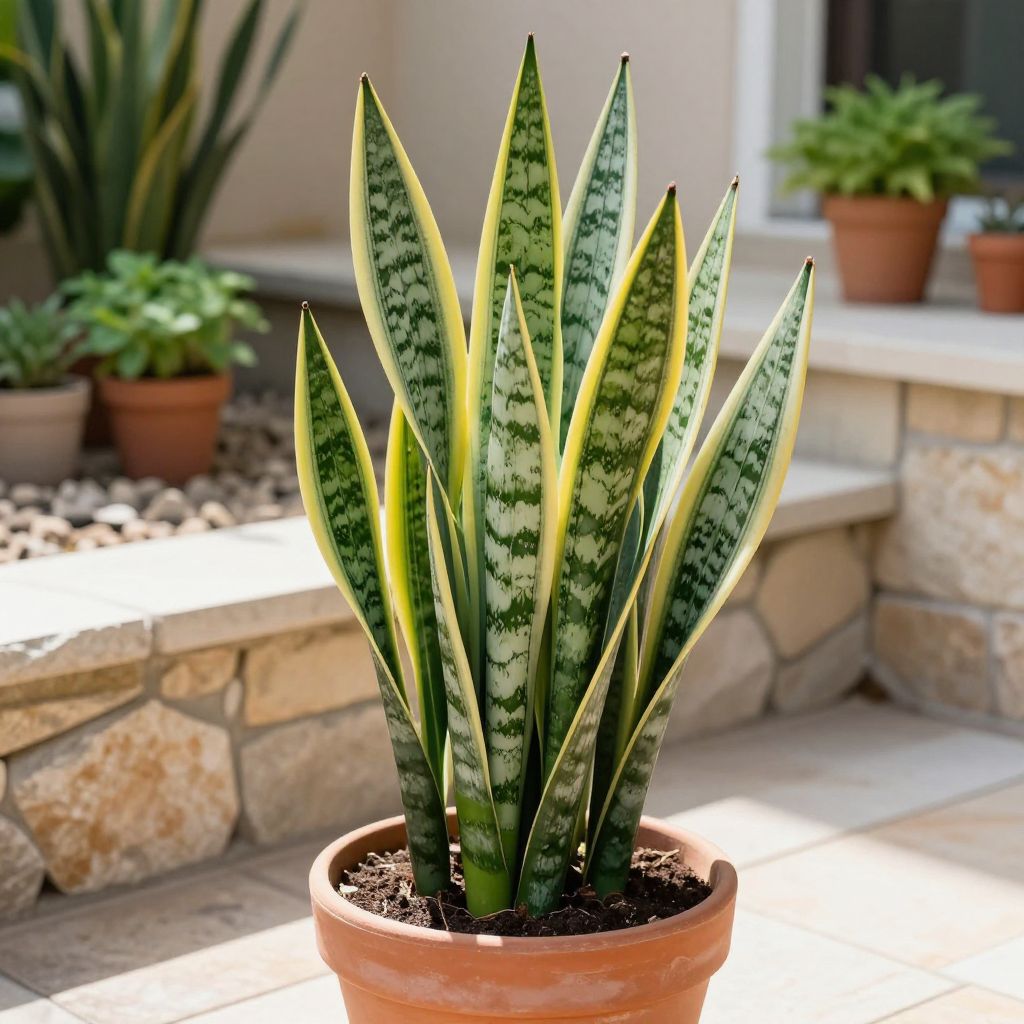
Can a snake plant live outside? Yes—if your climate, light, and drainage are right. Snake plants (Dracaena trifasciata, formerly Sansevieria) can do well outdoors in warm, frost-free areas, but they are not happy in cold, soggy, or deeply shaded conditions.
The key is matching the plant to the site. Outdoors, snake plants need warmth, fast-draining soil, and protection from heavy rain, frost, and harsh afternoon sun in hot climates.
Can a snake plant live outside?
Yes, a snake plant can live outside in warm climates where temperatures stay above freezing and the soil drains quickly. It grows best in bright, indirect light or gentle morning sun, and it must be protected from frost, prolonged rain, and waterlogged ground.
Where snake plants grow best outdoors
Snake plants are tough, but they are still succulents in spirit. Outdoors, they perform best in conditions that mimic their natural preference for warmth, dryness, and bright light without constant moisture.
Ideal outdoor conditions
- Temperature: Warm weather with no frost risk.
- Light: Bright shade, filtered sun, or morning sun.
- Soil: Loose, gritty, fast-draining soil.
- Moisture: Dry between waterings.
- Exposure: Shelter from strong wind and heavy rain.
If your area gets cold winters, treat snake plants as container plants that move indoors before temperatures drop. In mild coastal or tropical regions, they can be planted in the ground if drainage is excellent.
When outdoor planting makes sense
Planting a snake plant outside works best when you can answer “yes” to most of these questions:
- Do you live in a frost-free or nearly frost-free climate?
- Does your planting spot drain quickly after rain?
- Can you give it bright light without scorching it?
- Can you protect it from cold snaps?
If not, keep it in a pot outdoors during warm months and move it inside when nights cool.
How to plant a snake plant outdoors
Whether you plant in the ground or a container, the goal is the same: keep the roots dry enough to avoid rot. Snake plants fail outdoors most often because the soil stays wet too long.
In-ground planting steps
- Choose a site with morning sun, bright shade, or dappled light.
- Test drainage by watering the area and checking whether water disappears within a few hours.
- Dig in coarse material only if needed to improve structure; avoid making the hole into a water-holding basin.
- Plant at the same depth the snake plant was growing before.
- Backfill with a well-draining mix and firm lightly.
- Water once to settle the soil, then let it dry before watering again.
Container planting steps
- Use a pot with drainage holes.
- Choose a cactus or succulent mix, or blend regular potting mix with perlite or pumice for extra drainage.
- Set the plant in a pot only slightly larger than the root ball.
- Keep the crown above the soil line to reduce rot risk.
- Water lightly after planting, then wait until the mix dries significantly before watering again.
Drainage matters more than fertilizer for outdoor snake plants. A rich, wet bed is a common cause of decline.
Light requirements outdoors
Snake plants handle more sun outdoors than they do indoors, but they still need some protection. In hot regions, intense afternoon sun can bleach or scorch the leaves, especially on newly moved plants.
Best light levels
- Best overall: Bright shade or filtered light
- Good option: Morning sun with afternoon shade
- Risky: Full hot afternoon sun in very warm climates
- Too little light: Deep shade, which can slow growth and weaken the plant
If your snake plant has been indoors, acclimate it gradually. Move it outside for a few hours at first, then increase exposure over 7 to 14 days to reduce sun stress.
Soil and drainage for outdoor snake plants
Snake plants need soil that dries quickly after rain or watering. Heavy clay soil is one of the biggest problems in outdoor beds because it holds moisture around the roots.
What good soil looks like
- Loose and crumbly, not sticky
- Fast-draining, not compacted
- Low in standing moisture after rain
- Amended with grit, pumice, or coarse sand only when appropriate for your soil type
If your native soil is clay-heavy, consider a raised bed or large container instead of planting directly in the ground. That gives you more control over moisture and root health.
Watering snake plants outside
Outdoor snake plants usually need less water than many garden plants. The safest rule is to water only when the soil has dried well, then water thoroughly and let excess drain away.
How to tell when to water
- Check the top 2 to 3 inches of soil.
- For containers, lift the pot; a dry pot feels noticeably lighter.
- Look for soft, yellowing, or mushy leaves, which can signal overwatering.
- Watch for wrinkled leaves, which can mean the plant is too dry for too long.
Rainfall changes everything. In wet weather, you may not need to water at all. In hot, windy, container-grown situations, plants dry out faster and may need more frequent checking.
Common watering mistakes
- Watering on a fixed schedule instead of checking soil moisture
- Leaving saucers full of water under pots
- Planting in a low spot where water collects
- Overwatering in cool weather when growth slows
Cold tolerance and winter protection
Snake plants are not frost hardy. Even a light freeze can damage leaves, and prolonged cold can kill the plant or cause rot after thawing.
How to protect them from cold
- Bring potted plants indoors before frost is expected.
- Move in-ground plants to a sheltered spot if your climate has occasional cold snaps.
- Use frost cloth for short cold events, but do not let fabric trap moisture against the leaves for long periods.
- Stop watering heavily in cool weather so the soil stays drier.
If you live where winters are cool but not freezing, the plant may survive outdoors in a protected microclimate, such as near a wall or under an overhang. Even then, drainage remains essential.
Pruning and maintenance outdoors
Outdoor snake plants are low-maintenance, but they still benefit from occasional cleanup. Removing damaged leaves and checking for crowded clumps keeps the plant tidy and healthy.
What to remove
- Yellow, soft, or rotting leaves
- Leaves broken by wind or storm damage
- Dead flower stalks after blooming
- Offsets that are overcrowding the planting area
Use clean, sharp pruners or a knife for removal. If a leaf is badly damaged at the base, cut it off close to the soil line rather than leaving a torn stub.
Fertilizer needs outside
Snake plants are light feeders. Outdoors, they usually need little or no fertilizer if the soil is decent and the plant is growing slowly but steadily.
When to feed
- Only during active growth, usually in warm weather
- Only if the plant looks pale or growth is very slow in otherwise good conditions
- Use a mild, balanced houseplant or succulent fertilizer sparingly, following the label
Avoid overfeeding. Too much fertilizer can encourage weak growth and may build up salts in containers, especially when water drains through quickly.
Common outdoor problems and how to fix them
Most snake plant problems outdoors come from too much water, too much cold, or too much sun. Catching the issue early usually saves the plant.
Yellow leaves
Yellowing often points to overwatering, poor drainage, or cold stress. Let the soil dry, improve drainage, and remove badly damaged leaves if needed.
Soft or mushy base
This is a strong sign of rot. Move the plant to a drier spot, cut away rotted tissue if possible, and replant healthy sections in fresh, dry, well-draining mix.
Scorched or bleached leaves
If leaves look faded, crispy, or sunburned, the plant may be getting too much direct afternoon sun. Shift it to filtered light and acclimate it more slowly next time.
Pests
Outdoor snake plants can occasionally attract mealybugs, scale, or spider mites, especially if stressed. Inspect leaf bases and undersides regularly, and remove pests early with a cotton swab, water spray, or an appropriate garden treatment labeled for the problem.
Can you grow snake plants in the ground or only in pots?
You can do either, but pots are safer in most climates. Containers make it easier to control drainage, move the plant during cold weather, and correct problems quickly.
Choose in-ground planting if:
- You live in a warm, frost-free area.
- Your soil drains very well.
- You want a low, architectural border plant.
Choose containers if:
- Your winters are cool or unpredictable.
- Your soil is heavy clay.
- You want to move the plant for winter protection or changing light.
Propagating snake plants outdoors
Outdoor snake plants can be divided when clumps become crowded. Division is the most reliable method because it keeps the new plant true to the parent and gives you an established root section.
Simple division method
- Remove the plant from the pot or dig up a manageable section of the clump.
- Separate offsets with roots attached, or cut the rhizome cleanly between sections.
- Let cut surfaces dry briefly before replanting if needed.
- Replant in dry, well-draining soil.
- Wait before watering so the cuts can settle and reduce rot risk.
Leaf cuttings can work too, but they are slower and may not keep the same leaf striping in some varieties. Division is usually the better choice for home gardeners.
Final verdict: should you grow a snake plant outside?
Yes, if your climate is warm enough and your soil drains well, a snake plant can be a durable outdoor plant. It is especially useful in containers, sheltered patios, and warm garden beds where it gets bright light without sitting in wet soil.
If you want to try it, start with a pot or a small planting in a protected spot, then watch how quickly the soil dries after rain. For more container care ideas, you may also find helpful guidance on succulent soil and drainage and tips for moving houseplants outdoors safely.