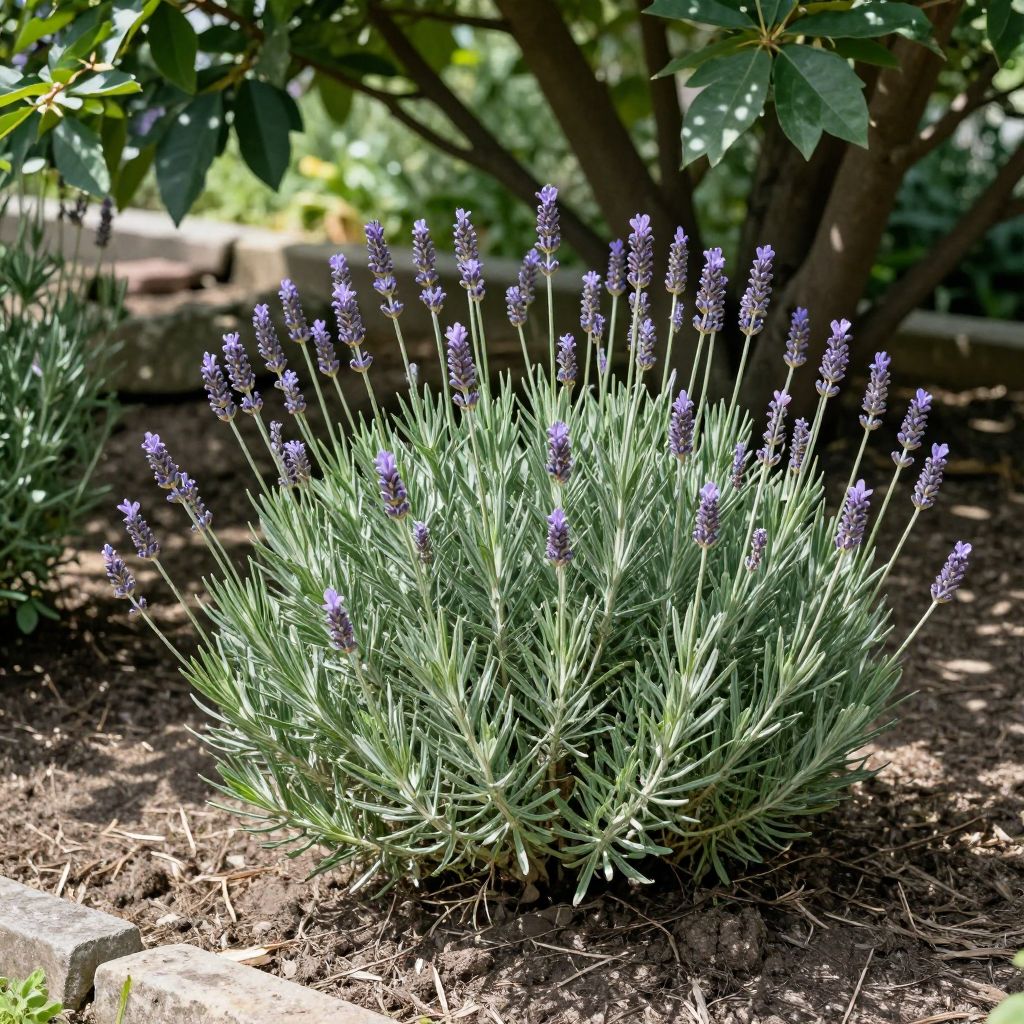
Can lavender grow in shade? If you have a partly shaded border, a north-facing wall, or a garden that only gets a few hours of sun, it’s a smart question to ask before you plant. Lavender is famous for loving bright, dry conditions, but that does not mean every garden is a no-go.
The short answer is that lavender can survive in light shade, but it usually grows, flowers, and scents best in full sun. The more shade it gets, the leggier, softer, and shorter-lived it tends to become. With the right variety, excellent drainage, and careful placement, you can sometimes make it work.
Can lavender grow in shade?
Lavender can grow in light shade, especially in very hot climates where afternoon shade helps protect it. But in most gardens, it needs at least 6 hours of direct sun to stay compact, flower well, and resist rot. Deep shade usually leads to weak growth, fewer blooms, and a shorter plant life.
How much sun does lavender really need?
Lavender is a sun-loving subshrub from dry, open habitats. For the best results outdoors, aim for full sun with strong air movement and lean, fast-draining soil.
What counts as shade?
- Light shade: Dappled sun or a spot with morning sun and some afternoon shade.
- Partial shade: Around 3 to 6 hours of direct sun, depending on season and latitude.
- Full shade: Less than 3 hours of direct sun, or bright but no direct sun for most of the day.
Lavender may tolerate light shade in hot regions, but in cooler or wetter climates, reduced sun often means slower drying soil and more disease pressure. If your site is shaded and damp, lavender is usually a poor match.
What happens when lavender gets too little sun?
When lavender is short on light, it often stretches toward the sun, producing long, floppy stems and fewer flower spikes. The plant may also stay wet longer after rain or watering, which increases the risk of root rot and fungal problems.
Common signs your lavender is not getting enough sun
- Leggy, open growth instead of a tight mound
- Fewer flowers, or blooms only near the top of the plant
- Pale foliage and weak stems
- Slow growth, especially in spring
- Soil that stays damp for too long
If you see these signs, the issue may be light, drainage, or both. Lavender dislikes “wet feet” even more than it dislikes shade.
Best conditions for lavender in a less-than-sunny garden
If you want to try lavender where sun is limited, give it every possible advantage. The goal is to maximize light, heat, and drainage while minimizing moisture around the roots.
Choose the brightest spot you have
- Pick a site with morning sun if possible.
- Use a south- or west-facing location in the Northern Hemisphere when available.
- Avoid planting under trees, dense shrubs, or overhanging eaves that block light and airflow.
- Reflective surfaces, such as pale walls or gravel, can help increase brightness around the plant.
Prioritize drainage over rich soil
Lavender prefers poor to moderately fertile soil that drains quickly. Heavy clay or constantly moist garden beds are a bigger problem than slightly low fertility.
- Plant in raised beds, berms, or slopes if your soil is heavy.
- Use gritty, free-draining soil rather than compost-rich, moisture-holding mixes.
- Avoid adding too much organic matter in the planting hole, which can create a moisture pocket.
If your soil is naturally clayey, improve the planting area broadly rather than just digging a small hole. A wider zone of better drainage helps roots spread into safer soil.
Can you grow lavender in partial shade?
Yes, but success depends on how much sun the plant still receives and how dry the site is. Partial shade can work for lavender in hot, dry climates, especially if the plant gets strong morning sun and the soil drains fast.
When partial shade is more likely to work
- Your climate has intense summer heat.
- The shaded period happens in the hottest part of the day.
- The soil is sandy, rocky, or raised above surrounding grade.
- You choose a compact, sun-tolerant lavender type suited to your region.
When partial shade is likely to fail
- The site is shaded for most of the day.
- The garden soil stays damp after rain.
- The area has poor air circulation.
- You want heavy flowering rather than just survival.
In borderline sites, lavender may live for a while but decline over time. If you want a long-lived, attractive plant, it is often better to move it into a sunnier spot or choose a different herb.
How to plant lavender in a shady or partly shaded spot
If you decide to try lavender in less sun, planting correctly matters even more than usual. Good planting technique can reduce stress and help the roots establish before the plant faces its first wet season.
- Check the light first. Watch the site through the day to see how many hours of direct sun it gets in spring and summer.
- Test drainage. Dig a hole and fill it with water. If water lingers for hours, improve the site or choose another plant.
- Prepare a raised planting area. A small mound or raised bed can help keep roots drier.
- Set the plant slightly high. Keep the crown just above surrounding soil level to reduce rot.
- Backfill with the native soil if it drains well enough. Avoid over-amending with rich compost.
- Mulch lightly with gravel or coarse grit. Keep mulch away from the crown.
Avoid burying lavender too deeply. The crown should stay dry and open to air, not covered by mulch or soil.
Watering lavender in shade: what changes?
Shadier sites dry out more slowly, so lavender usually needs less frequent watering than it would in full sun. The main rule is to water only when the soil has dried noticeably near the root zone.
Practical watering guidance
- Water newly planted lavender more carefully during establishment, but let the soil dry between waterings.
- Once established, water sparingly, especially in cool or shaded conditions.
- Check the soil with your finger rather than following a fixed schedule.
- In rainy weather, skip watering altogether if the soil is already moist.
Overwatering is one of the fastest ways to lose lavender in shade. If the plant is in a cool, partly shaded bed, it may need far less water than nearby herbs or annuals.
Pruning lavender that grows in shade
Lavender in shade often becomes loose and woody more quickly, so pruning is especially important. Regular pruning helps keep the plant compact and can improve airflow around the stems.
How to prune it well
- Trim after flowering, or when the main bloom flush is finished.
- Remove spent flower stems and lightly shape the plant.
- Cut back green growth, but avoid cutting deep into old woody stems that may not resprout well.
- Keep the center open so light and air can reach the crown.
If your lavender has become very leggy from too little light, pruning alone will not fully fix the problem. It may improve appearance for a season, but the plant still needs more sun to thrive.
Best lavender choices for challenging sites
Some lavenders handle heat and lean conditions better than others, but no lavender truly loves shade. If you are shopping for a difficult site, look for plants described as compact, drought-tolerant, or suited to your local climate.
Types commonly grown in gardens
- Lavandula angustifolia is often the best-known garden lavender and is generally more cold-tolerant than some other types.
- Lavandula x intermedia can be vigorous and useful in sunny, well-drained sites.
- Spanish and French lavenders may suit warmer climates, but they still need strong light and dry soil.
Even within these groups, local climate matters. A plant that performs well in a dry inland garden may struggle in a cool, shaded coastal one.
Problems to watch for in shade
Shaded lavender is more vulnerable to stress-related problems than lavender in full sun. The most common issues are usually linked to excess moisture, poor airflow, and weak growth.
Root rot and crown rot
These problems are most likely when soil stays wet. Symptoms include yellowing, collapse, and a plant that seems to wilt even though the soil is moist.
Fungal leaf issues
Dense shade and damp air can encourage spotting or mildew-like growth. Improving spacing, reducing overhead watering, and increasing sun exposure can help.
Pests
Lavender is not usually a major pest magnet, but stressed plants can attract aphids or other opportunistic insects. Healthy, sun-grown plants are less likely to be bothered.
How to troubleshoot a struggling lavender plant
If your lavender is already in shade and not doing well, work through the problem step by step. Often, the fix is not one thing but a combination of better light, drier soil, and lighter care.
- Assess the light. Count direct sun hours and note whether the plant gets morning or afternoon sun.
- Check drainage. If the soil stays wet, move the plant or raise the bed.
- Reduce watering. Let the soil dry more between waterings.
- Prune lightly. Remove weak flowering stems and improve airflow.
- Consider transplanting. If the site is deeply shaded, moving the plant may be the only long-term solution.
If transplanting, do it during mild weather when the plant is not under heat stress. Water in lightly after moving, then keep the soil on the dry side while roots re-establish.
Should you grow lavender indoors if your garden is shady?
Indoor lavender is difficult unless you have very bright light, such as a south-facing window or strong supplemental lighting. Even then, indoor air can be too humid and still for ideal growth.
If you try it indoors, use a very free-draining potting mix, a pot with drainage holes, and the brightest location you can provide. Rotate the pot regularly so the plant grows evenly.
When a different plant may be the better choice
If your garden is mostly shade and the soil stays moist, lavender may not be the best fit. You may have better results with shade-tolerant herbs or ornamentals that naturally prefer those conditions.
Choose lavender only if you can give it the driest, brightest microclimate available. Otherwise, you will spend more time fighting the site than enjoying the plant.
Conclusion
So, can lavender grow in shade? Yes, but only in light shade or partial shade, and usually only if the soil drains fast and the plant still gets several hours of direct sun. For the healthiest, longest-lived lavender, give it the sunniest, driest spot you can.
If you are planning a planting, start by checking your site’s sun exposure and drainage, then decide whether lavender is a good match. For more practical herb-growing guidance, you may also want to read about growing herbs in containers and how to improve garden drainage.