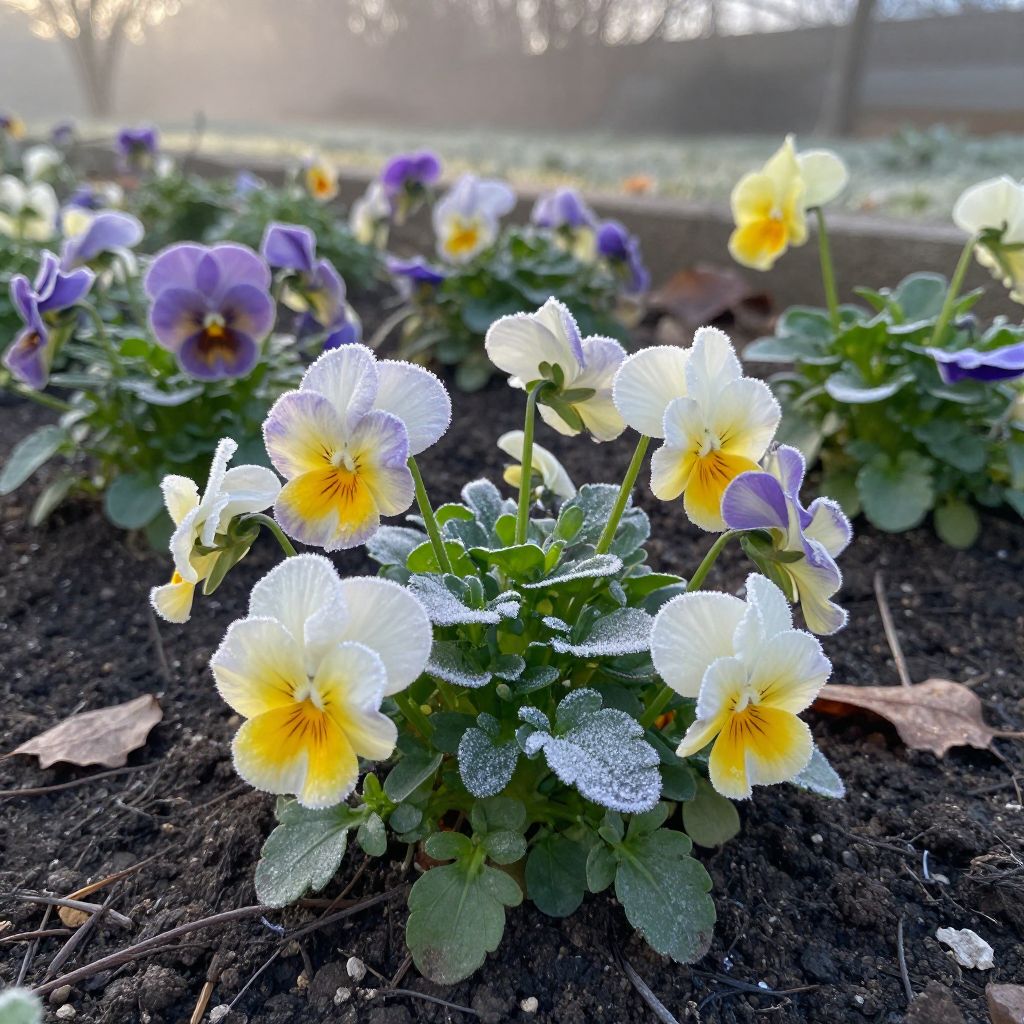
Can pansies survive frost? Yes—most pansies can handle light to moderate frost, and they often keep blooming through cool weather better than many annual flowers. The key is that frost tolerance depends on temperature, plant health, soil moisture, and how long the cold lasts.
With the right planting spot and a little protection, pansies can stay attractive well into fall, winter, and early spring in many climates. They are not indestructible, though, so knowing when frost is harmless and when it becomes a problem helps you avoid damaged blooms and collapsed plants.
Can pansies survive frost?
Pansies can usually survive frost, especially short dips below freezing, because they are cool-season plants bred to tolerate chilly weather. Light frost may only wilt flowers temporarily, but hard freezes, repeated freeze-thaw cycles, and wet, poorly drained soil can damage roots, foliage, and blooms.
How cold can pansies tolerate?
Pansies and their close relatives, violas, are among the most cold-tolerant bedding flowers gardeners grow. Many plants will keep going through cool nights near freezing and may recover after brief frosts if the roots remain healthy.
The exact cold tolerance varies by cultivar, plant size, and growing conditions. A well-established plant in the ground usually handles cold better than a newly planted one in a small container.
What affects frost survival
- Plant maturity: Established plants tolerate cold better than fresh transplants.
- Soil drainage: Wet, soggy soil increases cold damage and root rot risk.
- Wind exposure: Open, windy sites lose heat faster than sheltered beds.
- Container size: Pots freeze and thaw faster than garden soil.
- Duration of cold: A brief frost is easier to survive than several freezing nights in a row.
What frost does to pansies
Frost usually affects pansies first above ground. Flowers may droop, darken, or look water-soaked, while leaves may flatten or curl. In many cases, the plant recovers once temperatures rise.
More serious damage happens when plant tissues freeze hard for long periods or when roots sit in cold, saturated soil. That is when crowns can rot, stems can blacken, and the plant may not bounce back.
Signs your pansies are only lightly frost-damaged
- Flowers look limp in the morning but perk up later.
- Leaves are slightly wilted but still green.
- Stems remain firm.
- The crown and roots feel healthy, not mushy.
Signs of serious cold injury
- Blackened or translucent foliage that does not recover.
- Soft, mushy stems at the soil line.
- Plants heaving out of the soil after freeze-thaw cycles.
- Repeated collapse after each cold snap.
How to protect pansies from frost
If frost is expected, a few simple steps can make a big difference. The goal is to reduce heat loss overnight and keep roots from staying wet and cold.
- Water earlier in the day if the soil is dry. Moist soil holds heat better than dry soil, but avoid leaving plants waterlogged.
- Cover plants before sunset with frost cloth, row cover, old sheets, or lightweight blankets.
- Anchor the cover so it reaches the ground and traps warmer air around the plants.
- Remove covers in the morning once temperatures rise to prevent overheating and excess humidity.
- Move containers to a sheltered porch, against a wall, or into an unheated garage during hard freezes.
Do not use plastic directly on the foliage unless it is supported by stakes or hoops. Plastic can trap condensation and freeze against the leaves, which may worsen damage.
Best frost protection materials
- Frost cloth or floating row cover
- Burlap
- Old sheets or lightweight blankets
- Straw mulch around the base of in-ground plants
Planting pansies for better frost resistance
Healthy, well-rooted pansies handle cold much better than stressed plants. If you want them to last through chilly weather, give them a strong start in the right conditions.
Choose the right site
Pansies bloom best in cool weather with full sun to partial shade. In warmer climates, afternoon shade helps them last longer, while in colder regions full sun can help dry foliage and warm the soil.
A sheltered bed near a wall, walkway, or foundation can also reduce wind exposure and soften the impact of frost.
Use well-drained soil
Pansies prefer loose, fertile soil that drains well. Heavy clay or compacted ground holds too much water, which is a problem when temperatures drop.
- Work in compost to improve soil structure.
- Avoid planting in low spots where cold air and water collect.
- Raise beds or mound soil slightly if drainage is poor.
Space and mulch correctly
Give plants enough room for air circulation, but do not leave them exposed to drying winds. A light mulch can help moderate soil temperature, though it should not smother the crown.
Keep mulch a little away from the stems so moisture does not build up around the base.
Watering pansies before and after frost
Watering is one of the most important parts of frost care. Dry plants are more vulnerable to cold stress, but soggy soil can be just as harmful.
Check the soil with your finger. If the top inch feels dry and no rain is expected, water in the morning so the soil can absorb moisture before nightfall.
Avoid these watering mistakes
- Watering late in the evening before a freeze.
- Leaving containers standing in saucers of water.
- Keeping soil constantly wet in cold weather.
- Letting potted pansies dry out completely.
Should you deadhead or prune after frost?
Yes, but only after you can see what is truly damaged. Frosted blooms often look unattractive, but removing them too soon can hide whether the plant is still healthy.
Once temperatures rise and the plant has had time to recover, snip off dead flowers and any blackened leaves. This helps redirect energy into new growth and reduces the chance of disease in damp weather.
When to prune lightly
- After a hard frost has passed and tissue damage is clear.
- When flowers are spent or collapsing.
- When leaves are diseased, mushy, or heavily damaged.
Use clean, sharp scissors or hand pruners. Clean tools matter because frost-damaged tissue can be more prone to infection.
Can potted pansies survive frost?
Potted pansies can survive frost, but containers are more exposed than garden beds. The roots are above ground and the potting mix freezes faster, so container plants need more protection.
If you grow pansies in pots, place them where they are shielded from wind and direct weather. Grouping containers together can also help reduce temperature swings.
Container care tips
- Use pots with drainage holes.
- Choose a potting mix that drains well.
- Lift containers off cold pavement with pot feet or bricks.
- Wrap the pot with burlap or bubble wrap during hard freezes, keeping drainage open.
Common frost-related problems and how to fix them
After a cold snap, pansies may look rough even if they are not dead. Give them a day or two before deciding whether to remove them.
Problem: Flowers turn brown overnight
This is usually cosmetic. Remove the damaged blooms and wait for new ones to form.
Problem: Plants stay limp after the sun comes out
Check the soil moisture and the crown. If the soil is dry, water lightly. If the crown is soft or black, the plant may not recover.
Problem: Leaves look water-soaked or black
That often points to cold injury. Trim away damaged tissue and improve air circulation. If the plant keeps declining, replace it.
Problem: Plants heave out of the soil
Freeze-thaw cycles can push roots upward. Gently firm the soil back around the plant and add a thin layer of mulch after the ground thaws.
How to tell whether pansies will come back
Many pansies recover from frost, especially if the crown is still firm and the roots are intact. The best test is patience: wait for warmer daylight hours and new growth.
If the center of the plant is mushy, the stems are collapsing, or the entire plant turns black, recovery is unlikely. In that case, remove it and replant when conditions improve.
Seasonal care for longer bloom time
Pansies often perform best in cool shoulder seasons, such as fall and spring, and may slow down during extreme heat. Good care during cold weather helps them last longer and bloom more steadily.
- Deadhead regularly to encourage more flowers.
- Keep soil evenly moist but not saturated.
- Feed lightly only if growth is weak and your soil is poor.
- Watch for slugs, aphids, and fungal leaf spots in damp conditions.
In many gardens, the biggest threat is not a single frost but a combination of cold, wet soil, and poor airflow. Healthy plants in the right spot usually handle these conditions much better.
Conclusion
So, can pansies survive frost? In most cases, yes—especially brief or light frosts. Protect them on cold nights, keep the soil well drained, and remove damaged blooms after the weather warms. If you want to learn more about cool-season flower care, choose related gardening reading that covers seasonal bedding plants and frost protection.