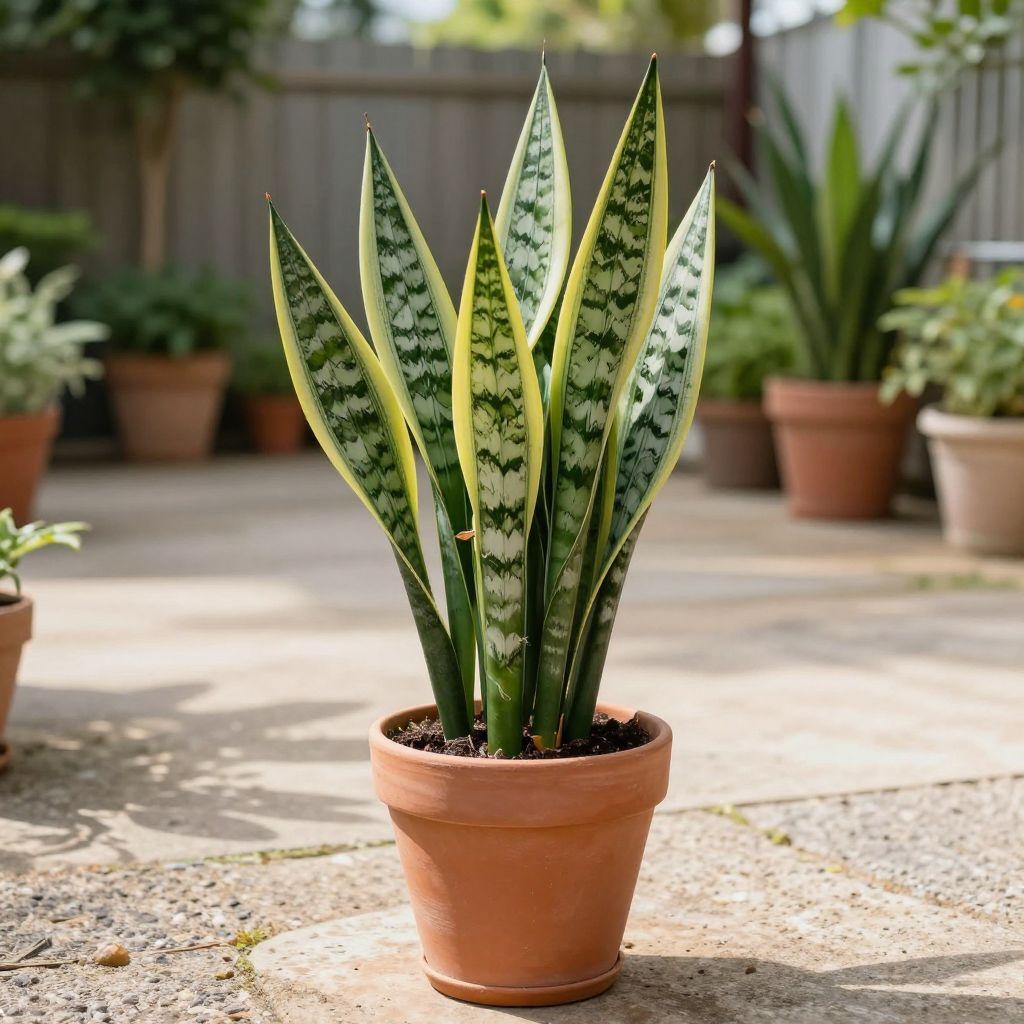
Can snake plants live outside? Yes, but only where the climate suits them and the site protects them from cold, excess rain, and harsh sun. Snake plant, or Dracaena trifasciata (formerly Sansevieria trifasciata), is a tough houseplant that can also do well outdoors in warm regions.
The key is matching the plant to the conditions. If you give it fast-draining soil, bright but not punishing light, and protection from frost, a snake plant can be a low-maintenance outdoor accent in beds, borders, containers, or shaded patios.
Can snake plants live outside?
Yes, snake plants can live outside in warm, frost-free climates and in containers that can be moved indoors when temperatures drop. They need well-drained soil, moderate light, and protection from prolonged cold or wet conditions. In cooler regions, treat them as seasonal outdoor plants rather than year-round landscape plants.
Where snake plants grow best outdoors
Snake plants are native to warm regions and perform best outdoors where temperatures stay consistently mild. They are not true cold-weather perennials in most gardens, so success depends on your local climate and microclimate.
Outdoor conditions they prefer
- Warm temperatures with no frost risk
- Bright shade or filtered sun, especially in hot climates
- Fast-draining soil that does not stay soggy
- Good air circulation to reduce rot and fungal issues
If you live where winter temperatures regularly dip near freezing, plant snake plants in pots or use them as summer patio plants. In mild coastal or subtropical areas, they may survive in the ground if drainage is excellent and winter weather is gentle.
How cold is too cold?
Snake plants are sensitive to cold injury. Even if they survive a brief cool spell, repeated exposure to chilly, wet weather can cause leaf damage and root rot. If frost is possible in your area, move container plants indoors or provide reliable protection before temperatures fall.
Best outdoor growing conditions for snake plants
Outdoors, snake plants do best in a site that mimics their drought-tolerant nature. The biggest mistake gardeners make is placing them in heavy soil or in a spot that gets too much rain.
Light
Snake plants tolerate a wide range of light, but outdoors they usually prefer bright shade, morning sun, or dappled light. In very hot climates, intense afternoon sun can scorch leaves, especially on newly moved plants.
- Ideal: bright indirect light or partial shade
- Possible: morning sun with afternoon shade
- Risky: full sun in hot, dry regions without acclimation
If you want to place one in a sunnier spot, acclimate it gradually over one to two weeks. Sudden exposure to strong outdoor sun can cause pale patches, browning, or crispy leaf tips.
Soil and drainage
Drainage matters more than fertility. Snake plants store water in their leaves and rhizomes, so they do not want rich, moisture-holding soil for long periods.
For in-ground planting, choose a raised bed, slope, or naturally well-drained area. If your soil is clay-heavy, amend only enough to improve structure and drainage, or grow the plant in a container instead.
- Use a loose, gritty mix
- Avoid low spots where water collects
- Do not plant in heavy mulch that stays damp against the crown
Containers versus in-ground planting
Containers are often the safest outdoor option. They let you control drainage, move the plant during cold snaps, and prevent root problems in rainy weather.
If planting in a pot, choose one with drainage holes and a stable base. A terracotta pot can help soil dry faster, while plastic holds moisture longer. Either can work if you adjust watering to match.
How to plant a snake plant outside
Planting correctly gives your snake plant the best chance to establish outdoors. Whether you use a pot or a garden bed, the goal is the same: keep the roots airy and the crown dry.
- Choose a site with bright shade or gentle morning sun.
- Prepare loose, well-draining soil or a cactus-style potting mix.
- Set the plant at the same depth it was growing before.
- Keep the crown above the soil line to reduce rot.
- Water lightly after planting, then let the soil dry before watering again.
If you are dividing a larger plant, let any cut surfaces dry and callus briefly before planting. This helps reduce the chance of rot, especially in humid weather.
Spacing and placement
Snake plants grow slowly but can spread by rhizomes over time. Give them room to expand so air can move around the leaves and so neighboring plants do not trap moisture at the base.
They work well as accent plants in dry borders, courtyard gardens, and container groupings. Avoid crowding them under dense shrubs or in beds that are watered frequently.
Watering snake plants outdoors
Outdoor snake plants need less water than many garden plants. The most common cause of failure is overwatering, especially after rain or in cool weather when the soil dries slowly.
When to water
Water only when the soil has dried out well. In warm weather, container plants may need water more often than in-ground plants, but the exact timing depends on sun exposure, pot size, soil mix, wind, and rainfall.
- Check the soil with your finger before watering
- Water deeply, then allow excess to drain away
- Do not let pots sit in saucers of water
- Reduce watering in cool or cloudy weather
If the leaves become soft, yellow, or mushy, the plant may be getting too much moisture. If the leaves wrinkle and the soil is bone dry for long periods, it may need a deeper watering.
Rain and humidity
In humid or rainy climates, outdoor snake plants may need extra protection. A covered patio, porch, or raised container can help keep the soil from staying wet too long.
Good airflow is important, but avoid placing the plant where it will be drenched by roof runoff or sprinkler spray. Constant wetting weakens roots and invites rot.
Seasonal care for outdoor snake plants
Snake plant care changes with the seasons. The plant grows more actively in warmth and slows down when conditions cool.
Spring and summer
This is the easiest time to grow snake plants outdoors. Growth is stronger, and the plant can recover more quickly from transplanting or division.
- Move container plants outdoors after frost danger passes
- Increase light gradually to prevent sunburn
- Water as needed, but never on a fixed schedule alone
- Watch for pests on plants that have just moved outside
Fall and winter
As nights cool, slow down watering. If frost is expected, bring container plants indoors or into a protected space. In marginal climates, even a few cold nights can damage leaves and roots.
For in-ground plants in warm regions, mulch lightly if needed, but keep mulch away from the crown. Heavy mulch against the base can trap moisture and encourage rot.
Common outdoor problems and how to fix them
Most snake plant problems outdoors come from too much water, too much direct sun, or cold stress. Catching issues early makes recovery much easier.
Yellowing leaves
Yellow leaves often point to overwatering or poor drainage. Check the soil first. If it stays wet for days, improve drainage, reduce watering, or repot into a faster-draining mix.
Brown, crispy patches
This can happen after sudden sun exposure, especially when a plant has been grown indoors and moved outside too quickly. Shift it to brighter shade and acclimate more gradually next time.
Soft or mushy base
A soft crown or base usually means rot. Remove damaged tissue if possible, let healthy sections dry, and re-root only firm divisions. If the rot is advanced, it is often better to discard the plant and start with healthy stock.
Pests
Outdoors, snake plants may occasionally attract mealybugs, scale, or spider mites, especially on stressed plants. Check leaf joints and undersides regularly.
- Wipe small infestations with a damp cloth or cotton swab
- Rinse leaves gently if dust or pests build up
- Isolate affected container plants from others
- Remove badly infested leaves if needed
Pruning, dividing, and maintaining outdoor snake plants
Snake plants need very little pruning, but occasional cleanup keeps them tidy and healthy outdoors. Remove damaged leaves at the base with clean, sharp tools.
If a clump becomes crowded, division is a practical way to rejuvenate it. Separate healthy sections with roots attached and replant them in fresh, well-draining medium.
Simple maintenance checklist
- Remove dead or damaged leaves
- Check drainage after heavy rain
- Inspect for pests during warm weather
- Refresh container soil when it becomes compacted
- Protect plants from frost and prolonged cold
Good uses for snake plants outdoors
Snake plants can be attractive in low-water landscapes when used thoughtfully. Their upright leaves add structure, and their tolerance for neglect makes them useful in sheltered spots where many other plants struggle.
They are especially useful in:
- Patio containers
- Bright entryway plantings
- Dry shade gardens
- Courtyards and protected borders
They are less suitable for exposed, soggy sites or places that receive hard frost. In those settings, a container you can move is usually the smarter choice.
Conclusion
So, can snake plants live outside? Yes, if you give them warmth, drainage, and protection from frost and excessive rain. Start with a sheltered spot, use a gritty soil mix, and water only when the soil has dried well. If your climate turns cold, grow them in pots so you can move them when needed.
If you want to keep building a low-maintenance garden, consider reading more about container gardening basics and choosing drought-tolerant plants for sunny spots.