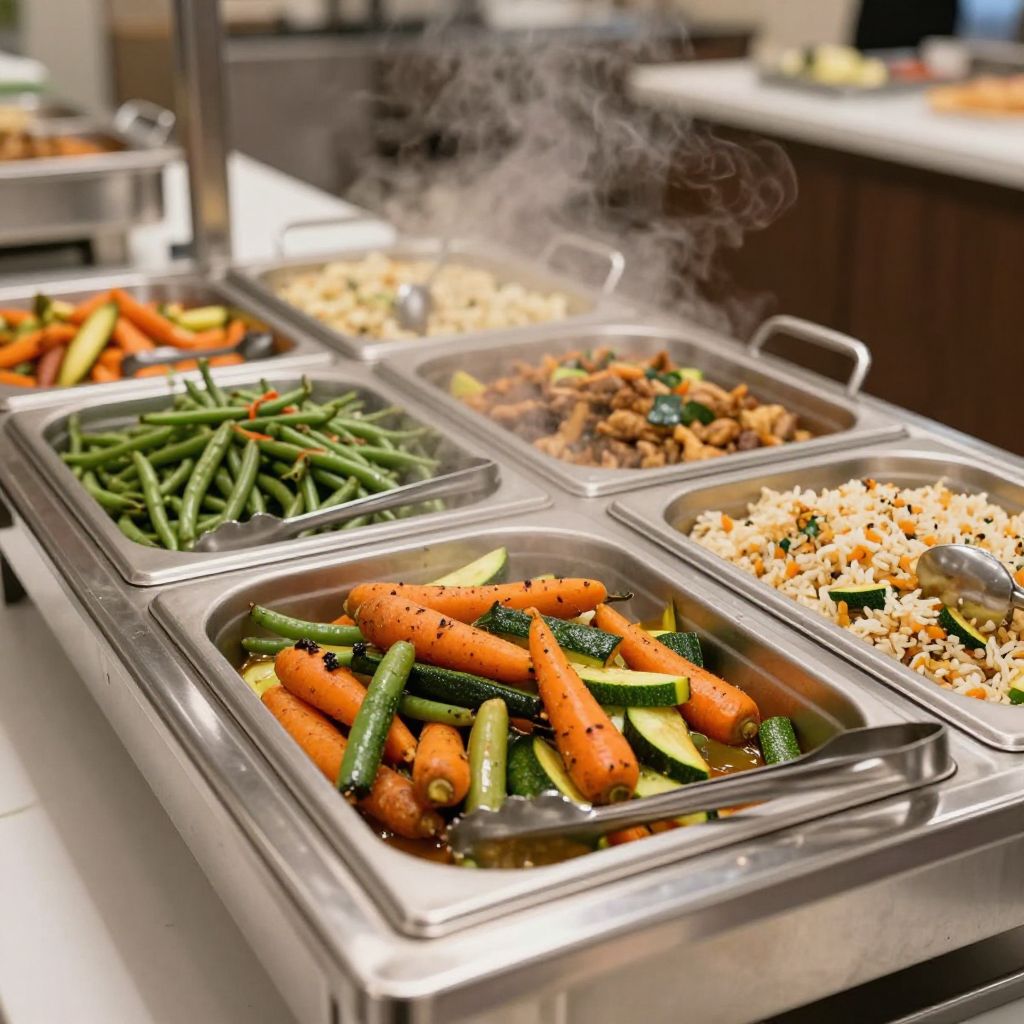
If you’re wondering how to grow cooked plant foods that are held in a steam table, the short answer is that this is not a plant-growing term at all. In gardening, the phrase doesn’t describe a crop, a planting method, or a care task. If you meant a plant, herb, or vegetable used in hot holding or food service, the best approach is to grow healthy, clean, harvestable produce and handle it properly after harvest.
This guide focuses on the gardening side: how to grow the kinds of edible plants most often cooked and served from a steam table, such as leafy greens, roots, beans, herbs, squash, and brassicas. You’ll learn the growing conditions, soil needs, care, harvest timing, and common problems that affect quality after harvest.
What are cooked plant foods that are held in a steam table in gardening terms?
In gardening, this usually points to edible crops grown for cooked service rather than to a single plant. The key is to grow produce that holds texture, color, and flavor after harvest: sturdy greens, roots, legumes, squash, and brassicas. Focus on healthy growth, clean harvests, and quick cooling or hot holding after picking.
Grow the right crops for cooked service
Not every garden vegetable performs equally well after cooking and holding. Crops with firm structure, moderate moisture, and good flavor retention usually do best when they will be cooked and kept warm for serving.
Reliable garden crops for cooked dishes
- Leafy greens: kale, collards, Swiss chard, spinach
- Brassicas: broccoli, cauliflower, cabbage, Brussels sprouts
- Roots: carrots, beets, turnips, parsnips, sweet potatoes
- Legumes: green beans, shell beans, peas
- Fruit vegetables: zucchini, summer squash, winter squash
- Herbs: parsley, dill, thyme, rosemary, basil
Choose crops based on your climate and season length. Cool-season vegetables usually perform best in spring and fall, while squash, beans, and basil need warmer weather and frost-free conditions.
How do you prepare soil for vegetables meant for hot holding?
Use fertile, well-drained soil with plenty of organic matter. Most edible garden crops do best in soil that is loose enough for roots to expand, rich enough to support steady growth, and drained well enough that roots never sit in water.
Soil basics that matter most
- Drainage: Water should soak in without puddling for long periods.
- Organic matter: Mix in compost to improve structure and nutrient retention.
- pH: Many vegetables prefer slightly acidic to neutral soil, but a soil test gives the best guidance.
- Depth: Root crops need deeper, stone-free soil for straight growth.
If your soil is heavy clay, build raised beds or add compost over time to improve texture. If it is sandy, compost helps it hold moisture and nutrients longer between waterings.
Before planting
- Remove weeds and debris from the bed.
- Work in mature compost, not fresh manure.
- Check drainage by watering the bed and seeing how quickly it absorbs moisture.
- Do a soil test if possible to guide lime or nutrient adjustments.
What growing conditions do these crops need?
Most vegetables used for cooked dishes need full sun, steady moisture, and enough space for airflow. Good growing conditions help reduce disease, improve yield, and produce vegetables that cook evenly and hold up better after harvest.
Sunlight
Most of these crops need at least 6 hours of direct sun daily. Leafy greens can tolerate a bit more shade, especially in hot climates, but reduced light usually means slower growth and smaller harvests.
Watering
Water deeply and consistently rather than giving light, frequent sprinkles. Uneven moisture can cause bitterness in greens, cracking in roots, and poor pod development in beans.
Aim to keep the root zone evenly moist, especially during germination, flowering, and bulking. Use mulch to reduce evaporation and stabilize soil moisture.
Temperature
Cool-season crops such as kale, broccoli, and carrots often taste best when grown in mild weather. Warm-season crops such as squash, beans, and basil need heat to grow well and may stall in cold soil.
How do you plant for a strong harvest?
Planting method depends on the crop, but the goal is the same: give each plant enough room, moisture, and light to grow without crowding. Crowded plants are more prone to disease and often produce smaller, lower-quality harvests.
Direct sow or transplant?
- Direct sow: carrots, beans, peas, beets, turnips, spinach, radishes
- Transplant: broccoli, cabbage, kale, collards, tomatoes, peppers, basil
Root crops usually do best when sown directly where they will grow. Transplants help you get a head start with slower-growing crops or in short seasons.
Spacing matters
Follow the spacing on the seed packet or plant tag, then adjust for your conditions. In rich soil, plants may grow larger and need more room; in poor airflow, slightly wider spacing can help reduce fungal problems.
What care keeps vegetables high quality after harvest?
Consistent care during the growing season has a big effect on how vegetables cook and hold. Stress from drought, heat, pests, or nutrient imbalance can make produce tough, stringy, bitter, or watery.
Mulch and weed control
Apply organic mulch such as straw, shredded leaves, or untreated grass clippings in a thin, even layer after seedlings are established. Mulch conserves moisture and suppresses weeds that compete for nutrients.
Keep weeds down early. Weeds not only steal resources, they also make beds harder to inspect for pests and disease.
Feeding plants
Compost is often enough for many home garden beds, especially if soil was prepared well before planting. If plants look pale, growth is slow, or leaves are undersized, a soil test is the safest way to determine whether additional nutrients are needed.
Avoid overfeeding with nitrogen, especially on leafy crops. Too much nitrogen can lead to lush growth that is soft, watery, and more attractive to aphids and other pests.
Pruning and support
Some crops benefit from simple maintenance:
- Remove damaged lower leaves from kale, collards, and brassicas.
- Stake or cage tall plants if wind or heavy growth causes lodging.
- Harvest outer leaves from greens to keep plants productive.
- Pinch back basil to encourage branching and delay flowering.
How do you harvest for the best texture and flavor?
Harvest timing affects how well vegetables hold up during cooking and hot holding. Pick when crops are mature but still tender, and harvest in the cool part of the day when possible.
Harvest tips by crop type
- Leafy greens: Harvest young, tender leaves often; older leaves can become tough or bitter.
- Beans and peas: Pick frequently so pods stay tender and plants keep producing.
- Roots: Lift when they reach usable size; overgrown roots may become woody.
- Squash: Harvest summer squash small and tender; winter squash when fully mature and cured.
- Brassicas: Cut heads or side shoots before they loosen, yellow, or bolt.
Handle produce gently. Bruising, torn leaves, and dirty harvest tools can shorten shelf life and reduce quality in the kitchen.
Common problems that affect cooked vegetables
Several garden issues show up later as poor texture, weak flavor, or short holding quality. Catching them early makes a big difference.
Pests
- Aphids: cluster on tender growth and can distort leaves.
- Cabbage worms and loopers: chew holes in brassica leaves.
- Flea beetles: create small shot holes in young leaves.
- Squash bugs and vine borers: weaken squash plants quickly.
Use row covers early in the season where practical, inspect leaves regularly, and remove pests by hand when infestations are small. Healthy, vigorous plants usually tolerate light damage better than stressed ones.
Diseases
- Powdery mildew: common on squash and some greens in humid weather.
- Downy mildew: affects brassicas and leafy crops under damp conditions.
- Root rot: often linked to poor drainage or overwatering.
- Leaf spot: worsens when foliage stays wet too long.
Prevent disease by spacing plants properly, watering at the base, rotating crops, and removing infected debris. Never compost diseased plant material unless your compost system reaches and maintains appropriate heat.
Bolting and bitterness
Heat stress can cause greens and brassicas to bolt, which means they send up flower stalks and become less tender. Shade cloth, timely planting, and regular watering help reduce this problem in warm weather.
Indoor versus outdoor growing considerations
Container and indoor growing can work well for herbs, salad greens, and some compact vegetables, but light is the main limitation. Without enough sun or strong grow lights, plants stretch and produce weaker growth.
Containers
- Use pots with drainage holes.
- Choose a high-quality potting mix, not garden soil.
- Water more often than in-ground beds because containers dry faster.
- Feed lightly as needed, since nutrients leach out with watering.
Indoor starts
Seedlings need strong light, good airflow, and careful watering. Keep them from becoming leggy by placing lights close enough to the canopy and rotating trays if light comes from one side.
How do you keep a garden productive through the season?
Succession planting is one of the most useful strategies for home gardeners growing crops for regular cooking. Instead of planting everything at once, sow small batches every few weeks where the climate allows.
Practical succession ideas
- Re-sow lettuce, spinach, and radishes in cool weather.
- Plant a second round of beans after the first harvest slows.
- Stagger basil plantings for a steady supply of young leaves.
- Use fall planting for carrots, kale, and other cool-season crops in suitable climates.
This approach gives you a steadier harvest and helps avoid a glut of produce that is hard to use at once.
What mistakes should you avoid?
Many problems with cooked vegetables start in the garden, not in the kitchen. Avoid these common mistakes if you want better texture and more reliable harvests.
- Planting too early in cold soil or too late in extreme heat.
- Using poorly drained beds for crops that dislike wet roots.
- Letting plants dry out, then flooding them later.
- Overcrowding seedlings and reducing airflow.
- Ignoring pests until damage is widespread.
- Harvesting too late, when crops are woody, tough, or overmature.
Conclusion
If you want vegetables that cook well and hold their quality, start with healthy soil, the right crop for your season, and steady care from planting to harvest. Choose one bed or container, improve the soil, and grow a small mix of greens, roots, and herbs so you can see what performs best in your climate.
For more practical growing help, you may also enjoy reading about how to improve garden soil with compost and vegetable crop rotation for home gardens.