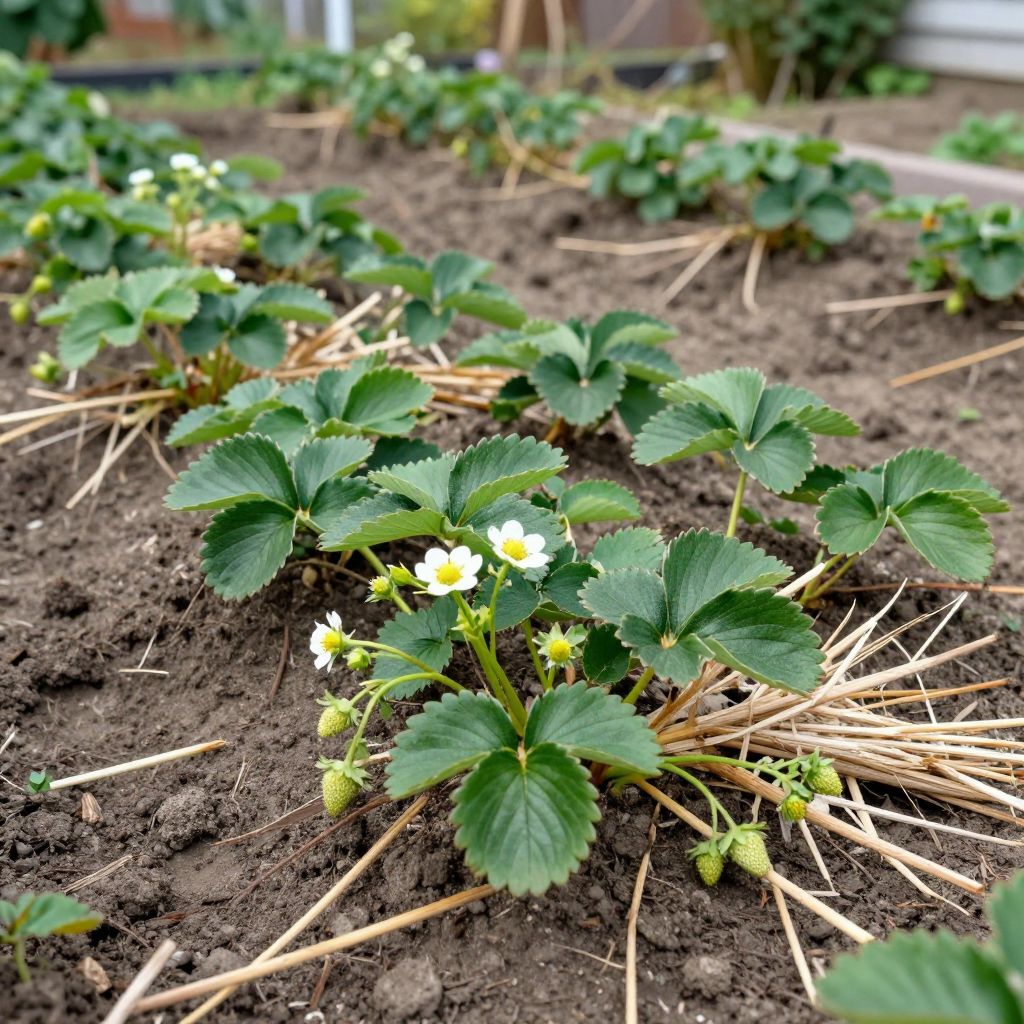
Do strawberry plants come back every year? In many gardens, yes—strawberries are perennial plants, so they can return for several seasons if they’re planted in the right conditions and cared for properly.
But “coming back” depends on your climate, the type of strawberry, and how well the plants survive winter, pests, and summer stress. With the right care, you can keep a strawberry patch productive for years instead of replanting every season.
Do strawberry plants come back every year?
Yes, strawberry plants are perennial, which means they can survive winter and regrow in spring. In many home gardens, they produce best for 2 to 4 years before yields decline. Their return depends on winter temperatures, drainage, plant health, and whether you protect the crowns from cold, rot, and overcrowding.
Why strawberries sometimes fail to return
Even though strawberries are perennial, they do not always survive from one year to the next. The most common reason is winter damage to the crown, the short central stem where new growth forms.
Other causes include poor drainage, disease, drought stress, and plants that are simply too old and crowded to stay vigorous.
Common reasons strawberry plants die back
- Frozen or exposed crowns in cold climates
- Waterlogged soil that causes root or crown rot
- Poor airflow leading to fungal disease
- Heat and drought stress in summer
- Old plantings that have become crowded and less productive
- Insect damage from pests that weaken plants over time
Which strawberry types come back best?
Most garden strawberries are grown as perennial plants, but their growth habits differ. Knowing the type helps you understand how long the planting may stay productive and when it will fruit.
June-bearing strawberries
June-bearing strawberries produce one large crop in late spring or early summer. They often make the biggest harvest and can persist for several years if maintained well.
Everbearing strawberries
Everbearing types usually produce two or more smaller flushes of fruit during the season. They can also return yearly, though they may need more consistent care to stay productive.
Day-neutral strawberries
Day-neutral strawberries fruit repeatedly through the growing season when temperatures are moderate. They are still perennial, but they often perform best when replaced after a few productive years.
How to help strawberry plants survive winter
Winter survival is the biggest factor in whether strawberries come back. Your goal is to protect the crown while still preventing soggy conditions that can rot the plant.
- Wait until plants are dormant before applying winter protection. Covering too early can trap warmth and encourage rot.
- Mulch after the ground begins to cool with clean straw, pine needles, or shredded leaves.
- Apply enough mulch to insulate the crowns, but keep it light and airy rather than packed down.
- Remove or pull back some mulch in spring when new growth starts so the crowns do not stay buried.
In colder regions, winter mulch is often the difference between a patch that returns and one that disappears. In milder climates, light mulch may be enough to protect roots and reduce temperature swings.
Winter care mistakes to avoid
- Mulching too early in fall
- Using heavy, wet mulch that stays compacted
- Leaving crowns buried too long in spring
- Letting water pool around the bed during thaw cycles
Best growing conditions for long-lived strawberry plants
Healthy strawberries are more likely to return year after year when they’re planted in the right spot. Good site selection matters just as much as winter protection.
Sunlight
Strawberries grow best in full sun, which usually means at least 6 to 8 hours of direct light each day. More sun generally means stronger plants and better fruiting.
Soil
Use loose, fertile soil that drains well. Strawberries dislike soggy ground, so raised beds or mounded rows can help in heavier soils.
A slightly acidic soil is often ideal, but the most important thing is good drainage and steady organic matter. Mix in compost before planting to improve structure and moisture balance.
Spacing and airflow
Give plants enough room so leaves dry quickly after rain or watering. Crowded plants are more likely to develop fungal problems and decline before the next season.
- Space plants according to the type you’re growing and your planting system.
- Keep rows or beds open enough for air movement.
- Remove excess runners if they overcrowd the patch.
How to care for strawberries so they return
Once strawberries are established, consistent maintenance helps them stay vigorous. The goal is to keep the crown healthy, reduce disease pressure, and encourage strong new growth.
Watering
Strawberries need even moisture, especially when plants are establishing roots and when fruit is forming. Water deeply when the top layer of soil starts to dry, but avoid keeping the bed constantly wet.
Drip irrigation or a soaker hose is often better than overhead watering because it keeps foliage drier and reduces disease risk.
Mulching during the growing season
Mulch can help conserve moisture, suppress weeds, and keep fruit cleaner. Use a light layer that does not smother the crowns.
Pruning and cleanup
Remove dead leaves and old, damaged foliage as needed. This improves airflow and helps you spot pests or disease early.
For many home gardeners, trimming runners is also useful. Runners can be used for propagation, but too many of them will drain energy from the mother plant and reduce fruit production.
How long do strawberry plants stay productive?
Strawberry plants often remain productive for 2 to 4 years, though some patches last longer with excellent care. After that, yields usually decline, berries may get smaller, and disease pressure can increase.
If your plants are still healthy but less productive, you can often rejuvenate the bed by thinning crowded plants, improving soil, and replacing older sections with young plants.
Signs it may be time to replace the patch
- Fewer berries than in previous years
- Smaller fruit size
- Weak new growth
- Too many runners and overcrowding
- Repeated disease problems
Propagation: how strawberries renew themselves
One reason strawberries seem to “come back” is that they produce runners, also called stolons. These long stems form new plantlets that root nearby and create a new generation of plants.
You can let some runners root naturally to fill in a bed, or you can guide them into new spots. Just avoid letting the patch become too dense, since overcrowding reduces airflow and fruit quality.
Simple runner management
- Choose the healthiest mother plants.
- Allow a few runners to root where you want new plants.
- Cut off extra runners that crowd the bed.
- Move rooted plantlets to a new location if needed.
Common pests and diseases that affect return growth
Healthy strawberries are more likely to survive from year to year when you catch problems early. Many issues start small and become serious by the next season if left untreated.
Pests to watch for
- Slugs and snails
- Aphids
- Spider mites in hot, dry conditions
- Birds feeding on ripening fruit
Diseases to watch for
- Gray mold on fruit and foliage
- Leaf spot diseases
- Crown rot in wet soils
- Root problems from poor drainage
To reduce disease, keep the bed clean, remove damaged leaves, water at soil level, and avoid planting strawberries in the same spot year after year if disease has been a problem.
Should you grow strawberries as annuals or perennials?
In many gardens, strawberries are best treated as short-lived perennials. You plant once, harvest for several seasons, and then replace the patch when productivity drops.
In challenging climates or small containers, some gardeners choose to replant more often. That can be a practical option if winter damage, disease, or poor soil makes long-term survival difficult.
Choose the approach that fits your garden
- Perennial patch: best for gardeners with room, decent soil, and winter protection
- Short-term planting: useful where disease pressure is high or containers dry out quickly
- Renewed bed every few years: a good middle ground for many home gardeners
Quick troubleshooting if strawberries did not come back
If your plants failed to return, inspect the bed before replanting. The cause is often visible once you look closely at the crowns and soil.
- If the crown is mushy or dark, suspect rot from excess moisture.
- If the crown is dried out and brittle, winter injury or drought may be the issue.
- If plants are alive but weak, overcrowding or nutrient depletion may be the problem.
- If leaves show spots or mold, disease management should be part of your next planting plan.
When replanting, choose a fresh site if possible, improve drainage, and start with healthy nursery plants or rooted runners from vigorous stock.
Conclusion: yes, and you can help them return stronger
So, do strawberry plants come back every year? Yes, they can—if the crowns survive winter and the plants stay healthy enough to regrow. The best results come from full sun, well-drained soil, sensible spacing, and seasonal cleanup.
Check your patch now: remove dead leaves, thin overcrowded runners, and plan winter mulch before cold weather arrives. If you want to keep learning, you may also find it helpful to read about growing strawberries indoors for extra flexibility in small spaces.