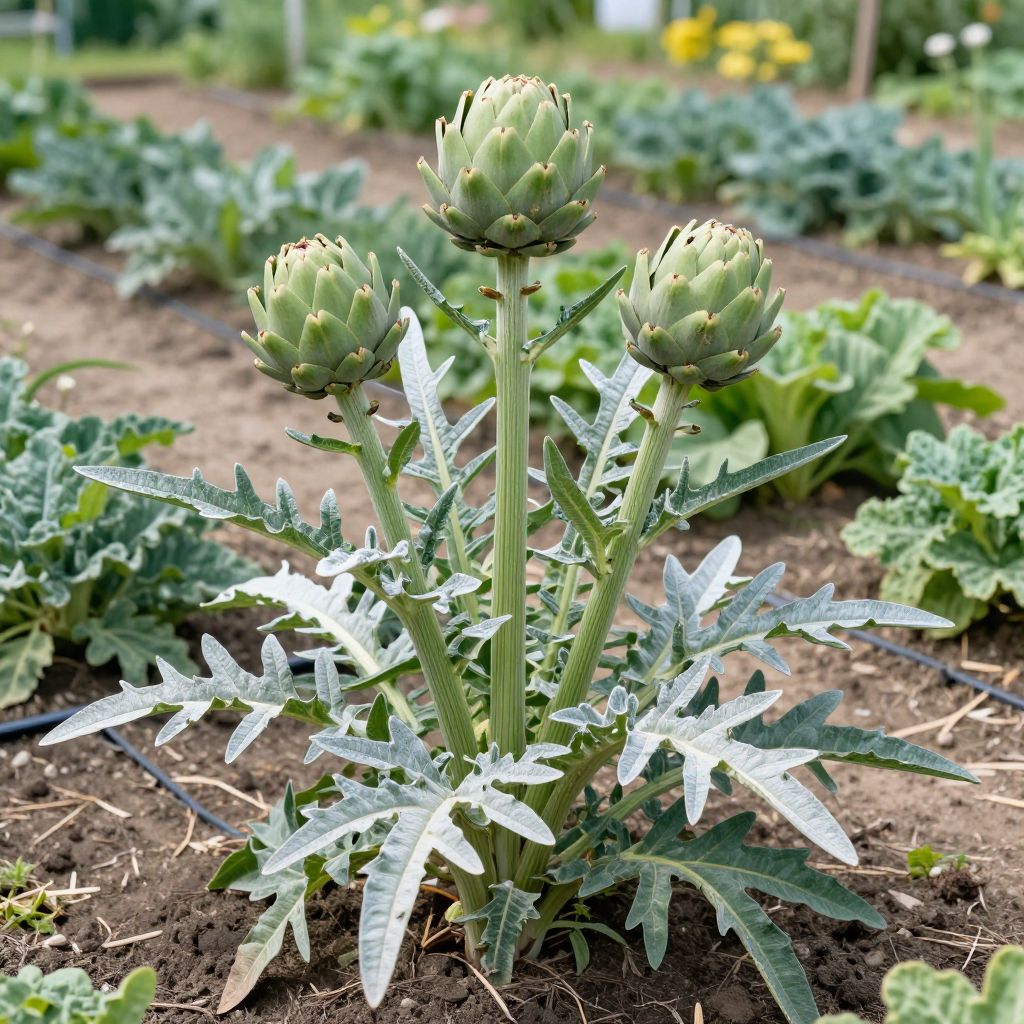
Are artichokes in season? Yes, but the answer depends on whether you mean the edible flower buds at the market or the plant in your garden. Artichokes are cool-season vegetables, and their best harvest window is usually in spring, with a smaller fall crop in mild climates.
If you grow them yourself, timing matters. Healthy artichoke plants need cool temperatures, rich soil, steady moisture, and enough time to form buds before hot weather slows them down.
Are artichokes in season?
Artichokes are typically in season in late spring through early summer, though in mild coastal or Mediterranean-like climates they may also produce a smaller fall crop. In the garden, the plant performs best during cool weather, and buds are harvested before they open into purple flowers.
How artichokes grow and why season matters
Garden artichokes are usually Cynara scolymus, a thistle relative grown for its immature flower buds. They are perennial in warm climates and often grown as annuals where winters are cold.
Season matters because artichokes set buds best when temperatures are cool but not freezing. Prolonged heat can reduce bud size, make buds open too quickly, and shorten the harvest period.
What “in season” looks like in the garden
- Cool weather growth: Strong leaf growth and root development before bud formation.
- Bud initiation: Usually triggered after the plant is established and exposed to the right temperature pattern.
- Harvest window: Buds are picked while tight and firm, before scales begin to spread.
Best growing conditions for artichokes
To get artichokes in season at the right time, give plants the conditions they need from the start. They are heavy feeders and large plants, so poor soil or cramped spacing can delay or reduce bud production.
Sunlight
Artichokes grow best in full sun, with at least 6 to 8 hours of direct light daily. In very hot regions, a little afternoon shade can help plants hold quality longer into warm weather.
Soil
Use deep, fertile, well-drained soil enriched with compost. Artichokes dislike soggy ground, and waterlogged roots can quickly lead to decline.
A good planting bed should be loose enough for roots to spread and rich enough to support a large, leafy plant. If your soil is heavy clay, improve drainage with compost and consider raised beds.
Water
Keep soil evenly moist, especially while buds are forming. Irregular watering can cause tough buds, poor development, or stress that reduces future harvests.
Mulch helps conserve moisture and keeps the root zone cooler. A 2- to 3-inch layer of organic mulch is usually helpful, but keep it a few inches away from the crown.
When to plant artichokes for the best harvest
Planting time depends on your climate. In mild-winter areas, artichokes are often planted in fall or late winter so they can establish during cool weather. In colder regions, gardeners usually start plants indoors or buy transplants and set them out after frost danger has passed.
Climate differences to consider
- Mild climates: Plant in fall or winter for spring harvests.
- Cold climates: Start early indoors or use transplants to maximize cool-season growth.
- Hot climates: Aim for establishment during the coolest part of the year so buds form before summer heat.
If you are unsure of your local timing, work backward from your coolest productive season. Artichokes need enough time to build strong roots before they are expected to produce buds.
How to care for artichokes through the season
Good care is what keeps artichokes in season long enough to harvest well. Once plants are established, focus on moisture, feeding, and keeping the plant vigorous without pushing soft, weak growth.
Fertilizing
Artichokes respond well to compost and balanced organic feeding, especially early in the season. Avoid overdoing nitrogen, which can produce lots of leaves but fewer buds.
Top-dress with compost and, if needed, use a balanced fertilizer according to the product label and your soil test. Soil testing is the best way to know what your bed actually needs.
Pruning and cleanup
Remove damaged, yellowing, or old leaves to improve airflow and reduce disease pressure. After harvest, cut spent stems back if the plant is entering a rest period or if you are managing it as a perennial.
In perennial plantings, some gardeners cut plants back after the main harvest to encourage a fresh flush later in the season, but timing should match your climate and frost risk.
Spacing
Give artichokes room. Mature plants can spread several feet wide, and tight spacing reduces airflow and bud quality.
- Allow generous spacing between plants so leaves do not crowd each other.
- Keep pathways open for watering, feeding, and harvest access.
- Plan for the plant’s eventual size, not just its size at transplanting.
How to tell when artichokes are ready to harvest
Harvest artichokes when the buds are large, tight, and firm, but before the bracts start to open. The bud should feel heavy for its size and the scales should still be compact.
If you wait too long, the bud becomes tougher and begins to flower. Once that happens, quality drops quickly for eating and the plant shifts energy away from producing more buds.
Harvest signs to watch for
- The bud is full-sized for the plant or variety.
- Bracts are tightly closed.
- The bud feels firm and dense.
- The stem beneath the bud is still tender enough to cut cleanly.
Use clean pruners or a sharp knife and cut the bud with a short section of stem. Harvesting regularly encourages the plant to keep producing side buds where climate allows.
Common problems that affect artichoke season
When artichokes are not in season as expected, the issue is often environmental rather than the plant itself. Heat, poor drainage, and stress are the biggest reasons buds are delayed or poor quality.
Too much heat
Hot weather can cause small buds, fast-opening buds, or a short harvest. If summer arrives early, mulch heavily, water consistently, and harvest promptly.
Poor drainage
Wet soil can stunt roots and invite rot. If your garden stays soggy after rain, plant on a raised bed or mound and avoid low spots.
Not enough nutrients
Weak growth often means the plant is not getting enough fertility or the soil is too depleted. Compost and soil testing can correct this without overfeeding.
Pests and diseases
Artichokes can attract aphids, snails, slugs, and occasionally caterpillars. Inspect leaf undersides and new growth regularly, and remove pests early before they weaken the plant.
Good spacing, clean tools, and removing diseased leaves help prevent fungal problems. Avoid overhead watering late in the day if leaf disease is common in your area.
Can you grow artichokes in containers?
Yes, but container-grown artichokes need a very large pot, excellent drainage, and consistent moisture. Containers dry out faster than garden beds, so they are less forgiving during warm weather.
Choose a container deep and wide enough to support a substantial root system. Use a high-quality potting mix with compost, and place the pot where it gets full sun and good airflow.
Container care tips
- Check moisture more often than in-ground plants.
- Feed lightly but regularly if the potting mix is lean.
- Protect the container from extreme heat and drying wind.
- Watch for root crowding if the plant is kept for more than one season.
Propagating artichokes for future seasons
Gardeners often propagate artichokes from offsets, also called shoots or divisions, especially in perennial plantings. This helps preserve productive plants and can keep a favorite plant going from year to year.
Divide or separate offsets when the plant is healthy and actively growing, not when it is stressed by heat, drought, or frost. Replant divisions into prepared soil with good drainage and steady moisture until established.
How to keep artichokes productive year after year
In mild climates, artichokes can remain productive for several seasons if you manage them well. Older plants may produce fewer or smaller buds, so refreshing beds with new divisions or new plants can improve harvests.
Protect crowns from hard freezes if your climate is marginal for perennial growth. In colder areas, many gardeners treat artichokes as seasonal crops and replant each year for the best results.
Practical mistakes to avoid
- Planting in heavy, wet soil without improving drainage.
- Letting plants dry out during bud formation.
- Waiting too long to harvest and missing the tight-bud stage.
- Overcrowding plants so airflow and light are reduced.
- Overfertilizing with nitrogen and getting leaves instead of buds.
Conclusion: timing is everything with artichokes
So, are artichokes in season? In the garden, they are best when cool weather supports steady growth and buds form before heat takes over. If you want a reliable harvest, focus on rich soil, full sun, even moisture, and timely picking.
For more help with cool-season vegetable planning and garden timing, you may also want to read related gardening guides on cool-season vegetables and vegetable garden soil preparation.