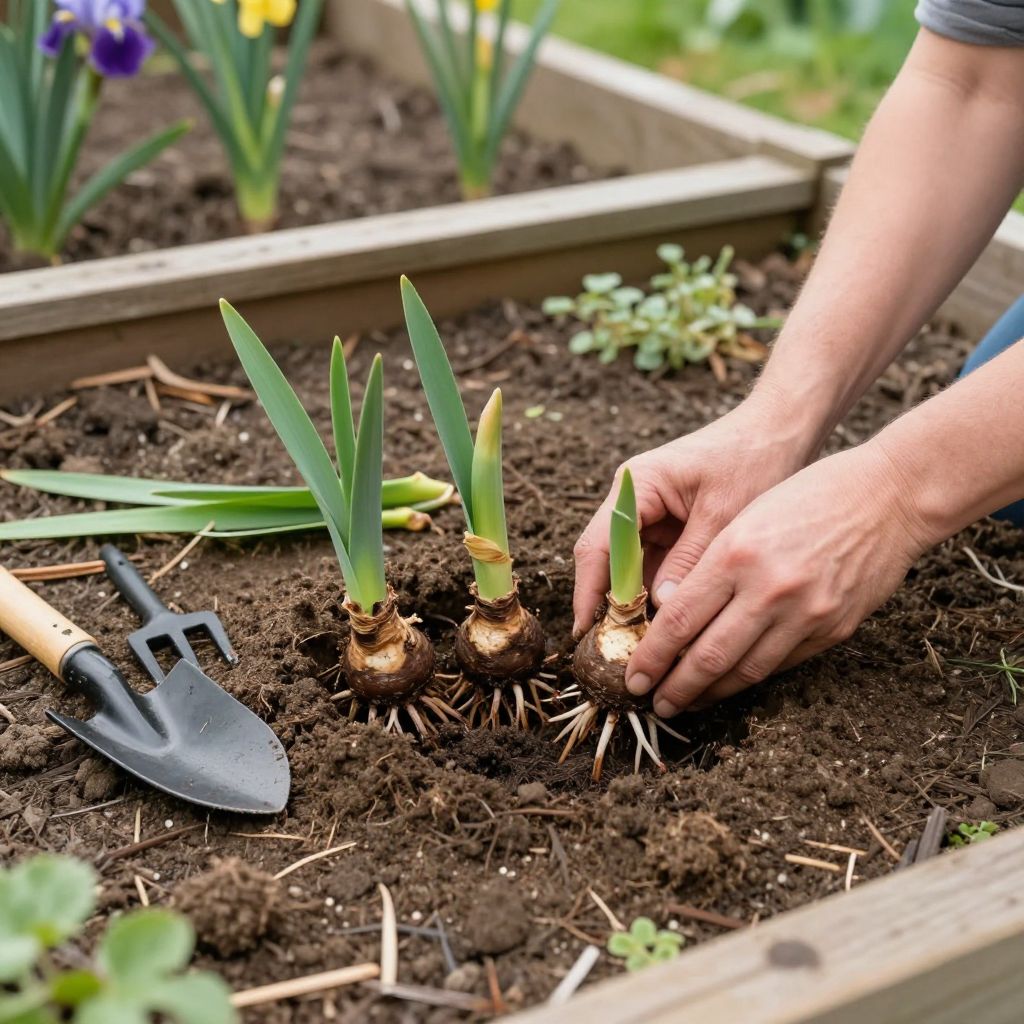
When do you plant iris bulbs? The short answer is: plant iris rhizomes in late summer to early fall in most climates, while true bulb irises are usually planted in fall. The exact timing depends on the type of iris you have, your winter weather, and whether you’re planting bare rhizomes or dormant bulbs.
Getting the timing right matters because irises need time to root before cold weather, but they also dislike sitting in wet soil for too long. If you plant at the right season and give them excellent drainage, you’ll set them up for stronger growth and better blooms.
When do you plant iris bulbs?
Most garden irises are planted as rhizomes, not true bulbs, and they’re best planted in late summer to early fall so roots can establish before winter. True bulb irises, such as Dutch iris, are typically planted in fall in mild climates or according to local frost timing. Always match planting time to your type of iris and climate.
Know which kind of iris you have
The planting season depends on whether your iris grows from a rhizome or a bulb. This is the most common source of confusion, and it affects how you plant, where you plant, and how quickly the plant settles in.
Rhizome irises
Bearded iris and many other garden irises grow from thick, fleshy rhizomes. These are usually planted near the soil surface, with part of the rhizome exposed to sunlight and air.
Bulb irises
Some irises, such as Dutch iris and reticulated iris, grow from true bulbs. These are planted deeper than rhizomes and are handled more like other spring-flowering bulbs.
Best planting time by season
For most gardeners, the safest approach is to plant irises when the weather is cooling but the soil is still workable. That gives roots time to grow without forcing the plant into active top growth too early.
Late summer to early fall
This is the classic planting window for bearded iris rhizomes. In many regions, planting from late July through September works well, but local conditions matter. The goal is to plant after summer heat eases and before hard freezes arrive.
Fall planting for bulb irises
True bulb irises are often planted in fall, similar to tulips and daffodils. In colder climates, plant them several weeks before the ground freezes. In very mild climates, fall planting still gives them the cool period they need to root properly.
Spring planting when you must
Spring planting can work if you receive divisions late or miss the ideal season, but results are often less reliable. Spring-planted irises may bloom less the first year because they spend energy establishing roots instead of flowers.
Why timing matters for iris success
Irises are sensitive to poor drainage and planting stress. When planted at the right time, they can root before extreme weather, which improves survival and future flowering.
- Too early: hot weather can dry out new plantings or encourage rot in warm, wet soil.
- Too late: roots may not develop enough before winter, especially in cold climates.
- Just right: cool soil and moderate moisture help roots establish quickly.
How to plant iris rhizomes correctly
Proper planting is just as important as timing. Irises fail most often because they are planted too deep, overwatered, or placed in soil that stays soggy.
- Choose a sunny site. Aim for at least 6 hours of direct sun daily.
- Improve drainage. Work in compost if your soil is heavy, but avoid making it overly rich or water-retentive.
- Set the rhizome shallowly. Place it so the top is at or just above the soil surface.
- Spread the roots. Fan the roots downward into the soil.
- Firm lightly. Press soil around the roots without burying the rhizome.
- Water once to settle. Then water sparingly until new growth appears.
Do not bury the rhizome deeply. This is one of the biggest mistakes gardeners make, and it often leads to rot or poor flowering.
How to plant true iris bulbs
If you’re planting bulb irises, follow bulb planting rules rather than rhizome rules. These bulbs need a little more depth and benefit from being planted in well-drained soil before the cold season begins.
- Plant at a depth about 2 to 3 times the bulb’s height, unless the specific type requires otherwise.
- Place bulbs with the pointed end up.
- Space them so air can move between plants and reduce rot risk.
- Water after planting, then keep soil lightly moist, not wet.
Soil, sunlight, and drainage requirements
Irises perform best in soil that drains quickly. They can tolerate average garden soil, but they usually struggle in dense clay or low spots where water lingers after rain.
Sunlight
Full sun is ideal for most irises. In very hot climates, a little afternoon shade can help, but too much shade usually means fewer blooms and weaker plants.
Soil texture
Loose, well-drained soil is best. If your soil is heavy clay, consider planting on a raised bed or shallow mound to keep the crown and roots from sitting in water.
Compost use
A modest amount of compost can improve soil structure, especially in poor ground. Avoid overdoing it, since overly rich soil can encourage lush leaves at the expense of flowers and can hold too much moisture around rhizomes.
Watering after planting
New irises need moisture to establish, but they do not like constant wetness. Water deeply at planting time, then let the soil dry slightly before watering again.
- Water more often during dry spells while roots are forming.
- Reduce watering once the plant is established.
- Avoid overhead watering late in the day if disease pressure is a concern.
If you’re unsure whether to water, check the soil a few inches down. If it still feels moist, wait.
Common mistakes to avoid
Most iris problems come from a few predictable errors. Avoiding these will save you time and improve bloom quality.
- Planting too deep: especially common with rhizome irises.
- Choosing a wet site: irises hate soggy feet.
- Overwatering: especially after the first settling soak.
- Too much shade: leads to fewer flowers.
- Overcrowding: reduces airflow and encourages disease.
Aftercare for newly planted irises
Once planted, irises need light attention rather than constant fussing. The main job is to keep them stable while roots establish.
Mulch carefully
If you mulch, keep it light and away from the rhizome crown. A thick mulch layer can trap moisture and cause rot, especially in damp climates.
Feed lightly, if needed
Irises generally do not need heavy feeding. If your soil is poor, a balanced, low-nitrogen fertilizer applied sparingly in early spring is usually more useful than rich feeding at planting time.
Watch for new growth
Healthy plants should begin rooting and producing fresh leaves as temperatures cool. If the rhizome softens, smells bad, or turns mushy, rot may be developing.
Dividing and replanting irises
Established irises often need dividing every few years when clumps become crowded or flowering declines. Late summer is usually the best time to lift, divide, and replant rhizome irises.
- Dig up the clump carefully.
- Discard old, soft, or diseased sections.
- Keep firm, healthy rhizome pieces with roots and a fan of leaves.
- Replant divisions promptly in a sunny, well-drained spot.
Freshly divided irises often bloom better after they reestablish, though some may skip a season depending on how much root was lost.
Pests and diseases to watch for
Irises are relatively tough, but poor planting conditions can invite trouble. Good spacing, drainage, and cleanup are your best defenses.
Soft rot
Soft, smelly rhizomes are usually a sign of rot. Remove affected parts immediately and improve drainage before replanting.
Iris borer and leaf issues
In some regions, iris borer can damage leaves and rhizomes. Remove old foliage and debris in fall to reduce overwintering pests. Spotted or browning leaves may also indicate fungal issues, especially in crowded, damp plantings.
Quick seasonal checklist
If you want a simple way to remember the timing, use this guide:
- Late summer to early fall: plant bearded iris rhizomes.
- Fall: plant true iris bulbs in suitable climates.
- Spring: plant only if necessary, knowing bloom may be lighter.
- Anytime: make sure the site is sunny and drains well.
Conclusion
So, when do you plant iris bulbs? In most cases, you plant iris rhizomes in late summer to early fall, and true bulb irises in fall, adjusted for your local frost dates and soil conditions. If you plant at the right time and keep the crown or bulb out of soggy soil, your irises are much more likely to settle in and bloom well.
For more practical planting guidance, you may also want to read about how to divide irises and best perennials for full sun.