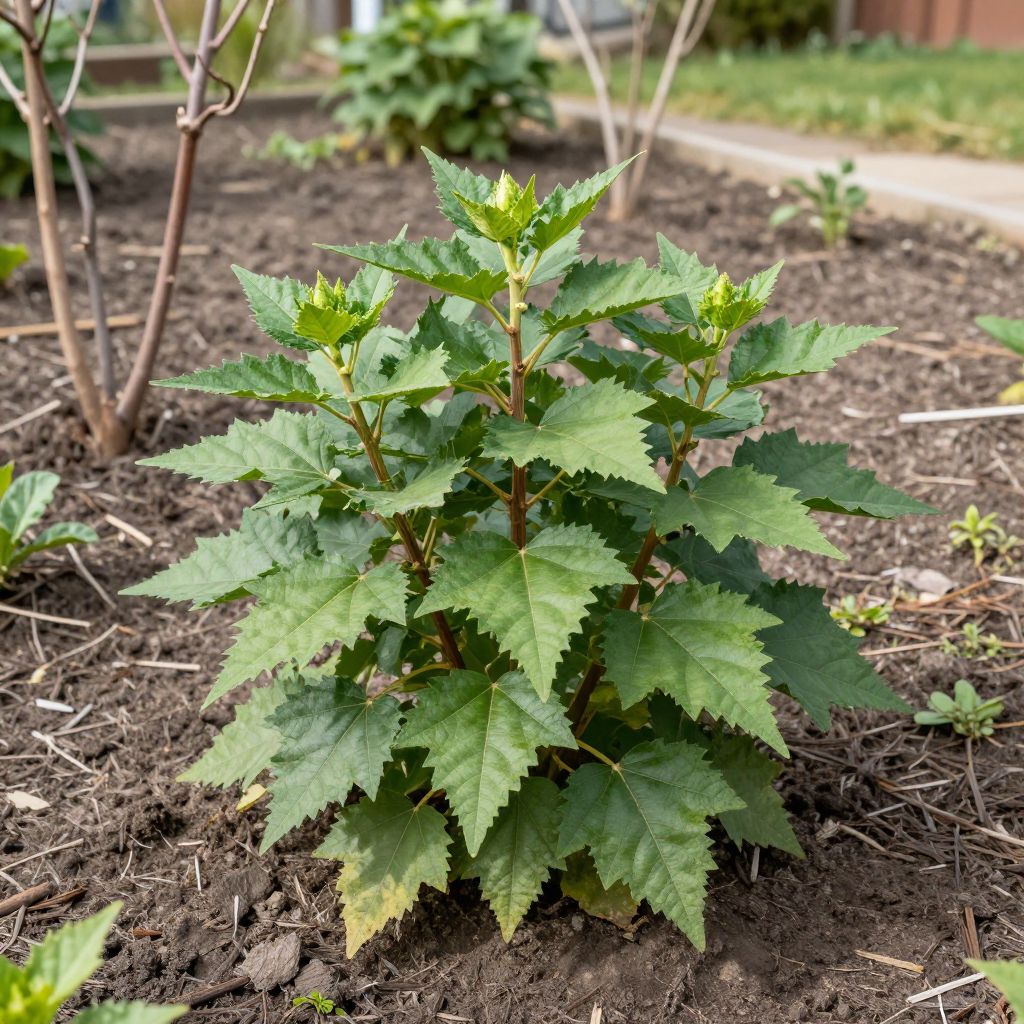
Do hibiscus come back every year? The answer depends on which hibiscus you’re growing and how cold your winters get. Some hibiscus are tender tropical plants that die back or must come indoors, while others are hardy perennials that return from the roots each spring.
If you know the type you have, you can give it the right care and avoid losing it to cold, poor drainage, or pruning at the wrong time. Here’s how to tell whether your hibiscus will return, and what to do to help it thrive year after year.
Do hibiscus come back every year?
Yes, some hibiscus come back every year, but not all of them. Hardy hibiscus varieties are perennial in suitable climates and regrow from the roots after winter. Tropical hibiscus usually only survives outdoors year-round in warm frost-free areas; in cooler regions, it must be brought inside or treated as a seasonal container plant.
Know which hibiscus you have
The first step is identifying the plant, because “hibiscus” covers more than one kind of garden plant. The two most common types for home gardeners are hardy hibiscus and tropical hibiscus.
Hardy hibiscus
Hardy hibiscus, often Hibiscus moscheutos or related hybrids, is a perennial shrub-like plant that dies back in winter in colder climates and returns from the crown or roots in spring. It is usually grown outdoors in the ground.
Tropical hibiscus
Tropical hibiscus, usually Hibiscus rosa-sinensis, is a frost-tender evergreen shrub. In warm climates it can stay outside year-round, but even a light frost can damage or kill it. In colder regions, it is commonly grown in pots and overwintered indoors.
How to tell them apart
- Hardy hibiscus often has large dinner-plate flowers and may die back completely in fall.
- Tropical hibiscus usually has glossy leaves and blooms repeatedly in warm weather.
- If your plant is labeled with a hardiness zone or says “bring indoors,” it is likely tropical or tender.
Will your hibiscus survive winter?
Whether hibiscus returns next year depends mostly on winter temperatures, soil drainage, and plant type. A hardy hibiscus planted in the ground can often survive freezing weather, while a tropical hibiscus needs protection from frost and cold nights.
What affects winter survival
- Temperature: Frost can kill tropical hibiscus and damage even young hardy plants.
- Drainage: Wet winter soil can rot roots, especially in heavy clay.
- Plant age: Newly planted hibiscus are more vulnerable than established ones.
- Exposure: Windy, open sites dry out stems and roots in winter.
What to expect in cold climates
In colder regions, hardy hibiscus often looks dead above ground after frost. That is normal. If the roots are healthy, the plant usually sends up new shoots later in spring when the soil warms.
Tropical hibiscus, by contrast, may drop leaves and decline quickly if exposed to cold. If you want it to come back, move it indoors before nights become chilly.
How to help hibiscus return each year
Good care during the growing season makes a big difference in whether hibiscus survives winter and flowers well again. Focus on sun, soil, consistent moisture, and timely cleanup.
- Plant in the right spot. Most hibiscus need full sun for best flowering, though very hot climates may benefit from light afternoon shade.
- Use rich, well-drained soil. Hibiscus like soil that holds moisture but does not stay soggy.
- Water deeply when needed. Keep the root zone evenly moist, especially during heat or flowering.
- Mulch around the base. A 2- to 3-inch layer helps moderate soil temperature and conserve moisture.
- Avoid late-season stress. Drought, pests, and severe pruning can weaken the plant before winter.
Sunlight and placement
Hibiscus usually bloom best in at least 6 hours of direct sun. In very hot inland climates, a little afternoon shade can reduce stress and leaf scorch. If you grow them in pots, place containers where they get bright light and good air circulation.
Soil and drainage
Hibiscus prefer fertile soil with plenty of organic matter. If your ground is heavy clay, mix in compost to improve structure, but do not create a planting hole that fills with water after rain. Poor drainage is one of the fastest ways to lose a hibiscus over winter.
Watering correctly
Water deeply when the top inch or two of soil starts to dry. Young plants and container hibiscus need closer attention than established landscape plants. In hot weather, container plants may need water more often because pots dry out quickly.
Do not let hibiscus sit in a saucer of water. Constant wet roots can cause yellowing leaves, root rot, and weak growth.
Pruning hibiscus for next year’s growth
Pruning helps shape the plant and remove dead wood, but timing matters. The wrong cut at the wrong time can reduce flowering or expose tender stems to frost damage.
For hardy hibiscus
Wait until late winter or early spring to cut back dead stems, unless you are simply removing broken or diseased wood earlier. In colder climates, leave the old stems standing through winter if you want extra protection and a marker for where the plant is planted.
For tropical hibiscus
Light pruning can be done during the growing season to encourage bushier growth. Before bringing a potted plant indoors, inspect it for pests and trim only what is necessary. Avoid hard pruning right before winter unless the plant is very large and needs to fit indoors.
Common pruning mistakes
- Cutting hardy hibiscus back too early in fall.
- Removing too much growth from tropical hibiscus before winter.
- Leaving diseased stems on the plant.
- Using dull tools that crush stems instead of making clean cuts.
Overwintering tropical hibiscus indoors
If you live where frost is common, tropical hibiscus usually needs to spend winter indoors. With the right conditions, it can survive and bloom again when warm weather returns.
Indoor care basics
- Move the plant inside before nighttime temperatures drop too low.
- Place it in the brightest window you have, or use a grow light if needed.
- Keep it away from heating vents and cold drafts.
- Water less often than outdoors, but do not let the root ball dry out completely.
- Check regularly for aphids, spider mites, and whiteflies.
Indoor light is usually weaker than outdoor sun, so some leaf drop is common. That does not always mean the plant is dead. New growth in spring is the real sign it has made it through winter.
Common reasons hibiscus do not come back
When hibiscus fails to return, the cause is often environmental rather than mysterious. Cold damage, root rot, pests, or stress from drought can all weaken the plant enough that it does not rebound.
Cold damage
Tropical hibiscus exposed to frost may lose leaves, stems, and roots. Hardy hibiscus can also be injured if winter is unusually harsh or if the plant was not established before cold weather arrived.
Root rot
Soil that stays wet for long periods can suffocate roots. Symptoms may include yellowing leaves, wilting despite wet soil, and weak spring regrowth. Improving drainage is more effective than watering more often.
Pests and disease
Common pests include aphids, spider mites, and whiteflies. These can stress the plant and reduce flowering. Fungal leaf spots may appear in humid conditions, especially where airflow is poor.
Winter dieback mistaken for death
Hardy hibiscus often dies back to the ground. Before discarding the plant, scratch a small section of stem or check the crown for firm tissue. If the roots are healthy, new shoots may appear later than you expect.
How to revive a hibiscus that looks dead
If your hibiscus seems lifeless in spring, do not rush to pull it out. Give it time, especially if it is a hardy type that naturally emerges late.
- Wait until the soil has warmed and frost danger is mostly past.
- Check the stems and crown for firm, living tissue.
- Water lightly if the soil is dry, but do not soak it.
- Remove only clearly dead stems.
- Watch for new buds at the base or on lower stems.
If there is no sign of growth after the normal spring emergence period for your climate, the plant may have died from winter injury or root failure.
Propagation and replacing older plants
If you want a backup plant, hibiscus can often be propagated from cuttings, especially tropical types. This is useful if you are unsure whether the parent plant will survive winter.
Simple propagation approach
- Take a healthy stem cutting from non-flowering growth.
- Use a clean, sharp tool.
- Remove lower leaves and place the cutting in a suitable rooting medium.
- Keep it warm and evenly moist, not soggy.
Not every cutting will root successfully, so taking more than one increases your chances. For many home gardeners, the easiest backup is to overwinter a potted tropical hibiscus indoors.
Quick care checklist for perennial hibiscus success
- Choose the right type for your climate.
- Give it full sun or bright light.
- Plant in well-drained soil enriched with compost.
- Water consistently during active growth.
- Mulch to protect roots and hold moisture.
- Prune at the right time for the type you grow.
- Protect tropical hibiscus from frost.
- Watch for pests and root problems before winter.
Conclusion
So, do hibiscus come back every year? Hardy hibiscus usually do; tropical hibiscus only do if they are protected from cold. Identify your plant, match it to your climate, and give it the right winter care. If you are unsure which type you have, check the plant tag or compare leaf and flower traits before the next cold season.
For more help with seasonal flower care, you may also want to read about how to prune flowering shrubs and choosing the best mulch for garden beds.