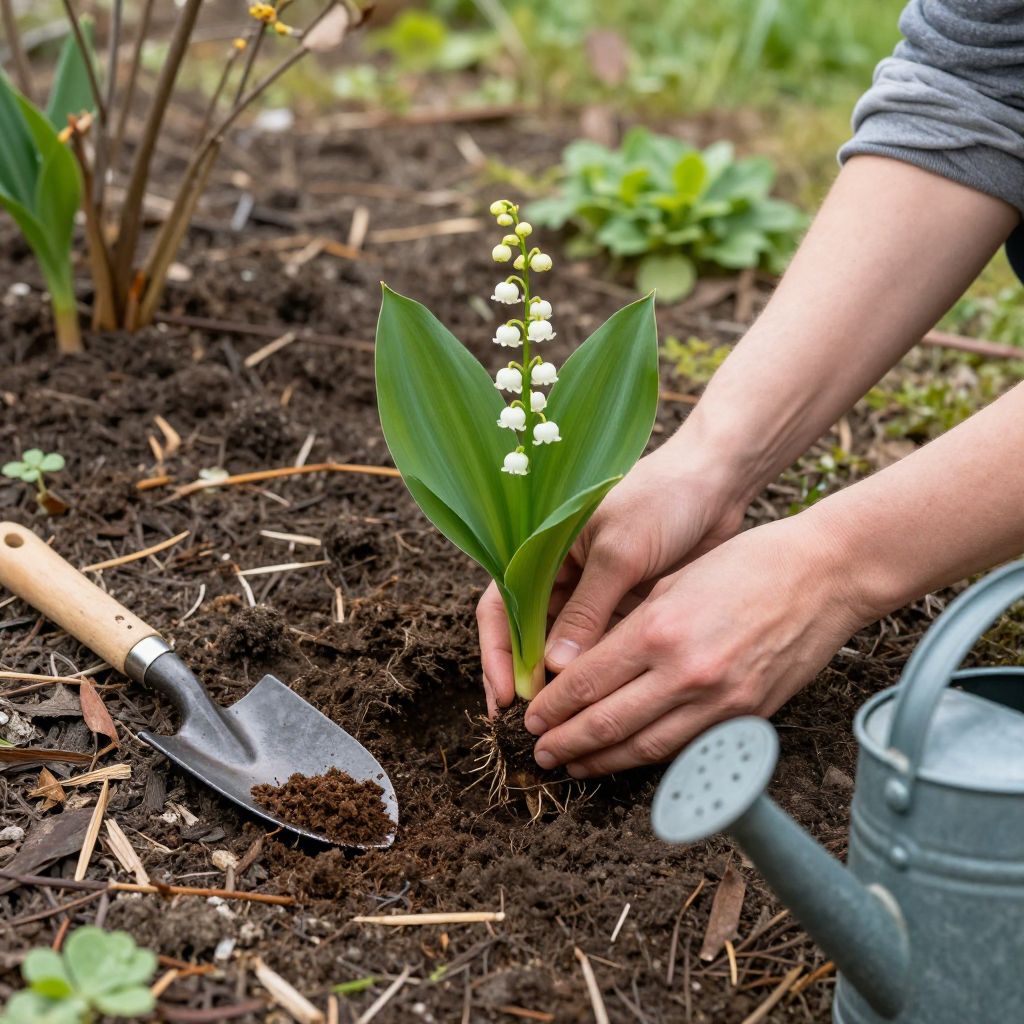
Wondering when to plant lily of the valley so it settles in quickly and flowers well? Timing matters with this woodland perennial, especially if you want strong roots before heat or frost stress the plant. The best planting window depends on your climate, but cool weather is usually your friend.
With the right timing and a shady, moist site, Lily of the valley (Convallaria majalis) can spread into a dependable ground cover. Here’s how to choose the best planting time, prepare the soil, and help it establish without common setbacks.
When to plant lily of the valley?
The best time to plant lily of the valley is in cool weather, usually in early spring after the soil can be worked or in early fall where winters are not severe. Planting when temperatures are mild helps the roots establish before summer heat or winter freeze slows growth.
Best planting time by season
Early spring planting
Spring is often the easiest time for most gardeners. Plant lily of the valley after the ground thaws and the soil is no longer soggy, but before hot weather arrives.
This gives the plant a full cool season to root in. In colder regions, spring planting is often the safest choice because the soil moisture is usually reliable and new growth can settle in gradually.
Early fall planting
Fall is also an excellent time if you have enough weeks before hard frost. Plant as soon as daytime temperatures begin to cool and the soil is still workable.
Fall planting works well because the plant can focus on root growth instead of top growth. In many climates, this leads to stronger spring performance the following year.
When to avoid planting
Avoid planting during summer heat or in frozen ground. Lily of the valley dislikes drying out while establishing, and heat stress can set it back quickly.
If you must plant in a warmer season, you’ll need extra attention to shade, moisture, and mulch. Even then, success is less predictable than with cool-season planting.
How to choose the right site
Lily of the valley prefers partial shade to full shade, though it can tolerate morning sun in cooler climates if the soil stays evenly moist. A woodland edge, north-facing bed, or shaded border is often ideal.
Good drainage matters, but the soil should not dry out completely. This plant does best in soil that stays lightly moist and rich in organic matter.
Ideal growing conditions
- Light: Partial shade to shade
- Soil: Humus-rich, loose, and moisture-retentive
- Drainage: Moist soil, but not waterlogged
- Spacing: Enough room for spreading clumps
If your soil is heavy clay, improve it with compost before planting. If it is very sandy, compost helps it hold moisture longer.
How to plant lily of the valley correctly
You can plant lily of the valley from pips, bare-root divisions, or potted plants. Bare-root pieces are common and usually establish well if planted promptly and kept moist.
- Choose a cool day with moist soil.
- Loosen the soil to a depth of about 6 to 8 inches.
- Mix in compost if the soil is poor or compacted.
- Set the roots or pips so the growing tips sit just below the soil surface.
- Space plants a few inches apart, or farther if you want faster spread without crowding.
- Water thoroughly after planting.
- Add 1 to 2 inches of mulch, keeping it away from the crowns.
Planting too deeply can slow emergence, while planting too shallowly may dry out the roots. Aim for a shallow, even layer of soil over the crowns.
Soil preparation and compost tips
Lily of the valley grows best in soil enriched with organic matter. A layer of compost worked into the top few inches helps improve structure, moisture retention, and root growth.
Use compost carefully if your soil already holds a lot of water. Too much amendment in a poorly drained bed can make the area stay wet for too long, which may encourage rot.
Before planting, check for these soil issues
- Standing water after rain
- Hard, compacted soil
- Very dry, fast-draining sand
- Thick tree roots competing for moisture
If drainage is poor, consider planting in a raised bed or a better-drained shaded area rather than forcing the plant into a wet site.
Watering after planting
Water deeply right after planting to settle the soil around the roots. Keep the area evenly moist for the first several weeks, especially during dry weather.
After establishment, lily of the valley still prefers consistent moisture, but it should not sit in soggy soil. A mulch layer can help reduce evaporation and keep roots cooler.
Signs you’re watering too much or too little
- Too little water: Wilting, dry leaf edges, poor emergence
- Too much water: Yellowing, soft crowns, foul-smelling soil
Adjust based on rainfall, soil type, and temperature rather than following a fixed schedule.
How much sun does lily of the valley need?
This plant is happiest in shade or dappled light. In cooler climates, it may handle a little morning sun, but strong afternoon sun usually causes stress unless the soil stays consistently moist.
If your planting spot gets too much light, the leaves may scorch and flowering can decline. Too much shade is usually less harmful than too much sun, as long as the soil is not overly dry.
What to expect after planting
Lily of the valley often takes time to settle in. It may produce modest top growth the first season while it builds roots underground.
Flowering is usually better once the plant is established. If you planted bare-root divisions, don’t be discouraged if the first season is quiet.
Common first-year mistakes
- Planting during hot weather
- Letting the soil dry out after planting
- Putting it in full sun
- Planting in heavy, poorly drained soil
- Expecting immediate thick spread or heavy bloom
Pruning, cleanup, and maintenance
Routine pruning is minimal. Remove damaged or yellowing leaves as needed, and clear away fallen debris if it becomes dense enough to trap moisture and disease.
After flowering, you can leave the foliage in place so it can feed the roots. Only cut it back once it naturally yellows or if you need to tidy the planting area.
Pests, diseases, and common problems
Lily of the valley is fairly tough, but poor site conditions can create problems. The most common issues are related to moisture, airflow, and overcrowding rather than serious pest pressure.
Watch for these problems
- Root rot: Often caused by wet, poorly drained soil
- Leaf scorch: Usually from too much sun or dry soil
- Crowding: Dense clumps can reduce airflow and vigor
- Slug damage: More likely in damp, shady beds
If slugs are a problem, reduce hiding places, keep mulch from touching the crowns, and inspect plants in the evening or after rain. Healthy, well-spaced plants usually recover better from minor damage.
How to propagate and control spread
Lily of the valley spreads by underground rhizomes, which is one reason it can become a strong ground cover. That same habit means you may need to divide it later if it starts to crowd nearby plants.
To propagate, lift a clump in cool weather and separate healthy sections with roots attached. Replant divisions promptly and water them in well.
If you want to contain it, use edging or plant it in a defined bed. Without boundaries, it can slowly move into nearby spaces.
Can you plant lily of the valley in containers?
Yes, but containers need careful moisture management. Use a pot with drainage holes and a rich, moisture-retentive potting mix, then keep it in bright shade or gentle morning sun.
Container-grown plants dry out faster than garden plants, so check them often. In cold climates, pots may also need winter protection because roots are more exposed to freezing.
Quick planting checklist
- Plant in early spring or early fall
- Choose shade or partial shade
- Use moist, well-drained, organic soil
- Water well after planting
- Mulch lightly to hold moisture
- Avoid hot, dry, or waterlogged conditions
Conclusion
If you’re deciding when to plant lily of the valley, choose the coolest workable season in your area and give it a shady, moist, well-prepared site. That simple timing choice makes establishment much easier and helps the plant settle in with less stress. If you’re planning a shaded woodland bed, consider reading more about how to prepare shade garden soil and best ground covers for moist shade.