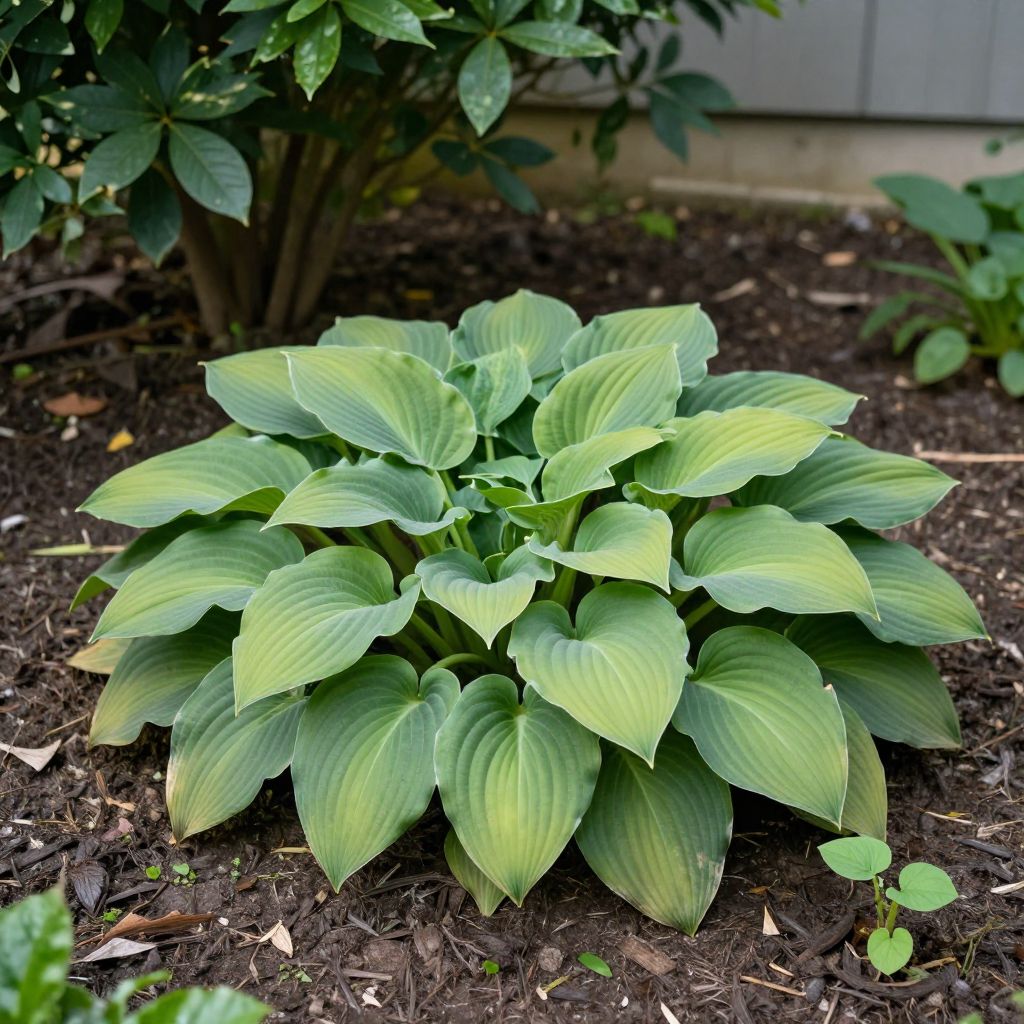
Do hostas spread? Yes—most hostas gradually form larger clumps and many will slowly widen year after year. They do not usually “run” like invasive groundcovers, but a healthy plant can become a broad, dense mound that may need dividing to keep it looking tidy and vigorous.
How fast they spread depends on the variety, light, soil, moisture, and growing season. In the right spot, hostas are one of the easiest shade perennials to expand, fill in bare areas, and create a lush, low-maintenance planting.
Do hostas spread?
Hostas spread mainly by clump expansion. The crown gets wider each season as new shoots emerge around the base, and mature plants can eventually reach several feet across. They also spread by division if you split the clump, but they do not typically spread aggressively by runners.
How hostas spread in the garden
Hostas grow from a central crown and underground roots. Each year, the crown produces more shoots, making the plant broader and fuller. Over time, a single plant can become a substantial mound, especially when it has consistent moisture and fertile soil.
What to expect from growth rate
- Young hostas often spend the first season or two establishing roots before showing much top growth.
- Mature plants usually expand more noticeably each year.
- Large-leaved types often fill space faster than miniature hostas, though growth still depends on conditions.
In general, hostas are not fast spreaders in the way some groundcovers are. If you want quick coverage, plant several hostas closer together rather than waiting for one plant to fill a large area.
What makes hostas spread faster or slower?
Several growing conditions affect how quickly hostas widen. The best results come from partial shade, evenly moist soil, and good organic matter. Stress from drought, intense sun, poor soil, or root competition can slow growth.
Sunlight
Most hostas prefer partial to full shade, though some tolerate more morning sun. Too much hot afternoon sun can scorch leaves and reduce vigor, which slows spreading. Too little light can also lead to weaker growth in some gardens, so aim for bright shade rather than deep darkness.
Soil and drainage
Hostas like soil that holds moisture but still drains well. Heavy, waterlogged soil can rot roots, while very sandy soil may dry out too quickly. Adding compost before planting helps improve structure and gives the plant a better start.
Water
Consistent moisture supports steady growth. Dry spells can slow expansion, especially for newly planted hostas. Water deeply when the top few inches of soil begin to dry, adjusting for rainfall, temperature, and soil type.
Space and competition
Hostas spread more slowly when crowded by tree roots, aggressive perennials, or nearby shrubs. If you want a plant to bulk up, give it enough room and reduce competition around the root zone.
How to help hostas spread well
If your goal is a fuller clump, focus on strong root growth first. Healthy hostas spread naturally when they are planted in the right place and cared for consistently.
- Choose the right site. Pick a spot with morning sun and afternoon shade, or bright filtered shade.
- Prepare the soil. Work in compost to improve moisture retention and drainage.
- Plant at the correct depth. Set the crown at soil level, not buried deeply.
- Mulch lightly. Use organic mulch to conserve moisture, but keep it away from the crown.
- Water during dry periods. Keep the soil evenly moist, especially during the first year.
- Remove weeds and competition. Give the plant room to expand without crowding.
Avoid overfeeding with high-nitrogen fertilizer. Too much nitrogen can produce soft growth that is more vulnerable to pests and disease, without necessarily helping the plant establish a strong clump.
Do hostas spread by seed or runners?
Most gardeners see hostas spread by clump growth, not by runners. They can produce flowers and seed pods, but seedlings do not come true to the parent plant, so seed is not the usual way to keep a favorite variety. If you want more of the same plant, division is the reliable method.
Division versus natural spreading
- Natural spreading means the clump slowly widens on its own.
- Division means you split one clump into two or more plants and replant them.
- Seed propagation is less predictable and usually not used to duplicate named cultivars.
When and how to divide hostas
Division is useful when a hosta becomes too large, starts to look crowded in the center, or you want more plants for other parts of the garden. It can also help rejuvenate an old clump.
Best time to divide
Many gardeners divide hostas in spring as new shoots emerge or in early fall when weather is cooler. The best timing depends on your climate and the plant’s condition. Avoid dividing during extreme heat or drought if possible.
Simple division steps
- Water the plant well the day before.
- Dig around the clump, lifting as much root mass as possible.
- Shake or wash off enough soil to see the crown and roots.
- Use a sharp spade, knife, or garden saw to separate sections with roots and shoots attached.
- Replant divisions at the same depth as the original plant.
- Water thoroughly and keep the soil evenly moist while they reestablish.
Smaller divisions may take longer to recover, while larger divisions usually settle in faster. If the plant is old and crowded, dividing it can improve airflow and reduce disease problems.
Common problems that affect spreading
When hostas stop expanding, the issue is often environmental rather than genetic. Checking the plant’s location and root zone usually reveals the cause.
Pests
Slugs and snails are common hosta pests, especially in damp shade. They chew holes in leaves and can weaken the plant if damage is severe. Deer and rabbits may also browse hostas in some areas, reducing leaf growth and slowing the plant’s ability to build energy.
To reduce pest damage:
- Inspect plants regularly, especially after rain.
- Remove hiding places such as dense debris near the crown.
- Use barriers or other controls appropriate for your garden.
- Protect young plants more carefully, since they are easier to damage.
Diseases
Hostas can develop crown rot, leaf spots, or virus issues. Poor drainage and overcrowding increase the risk of rot. If a plant collapses, has mushy tissue, or shows unusual streaking or distortion, remove affected material and avoid spreading the problem with tools or hands.
Environmental stress
Leaf scorch, drought stress, and compacted soil can all slow spreading. If the leaves look tired by midsummer, the plant may need more consistent moisture or a better site with less harsh sun.
How to use spreading hostas in landscape design
Because hostas widen steadily, they are useful for softening edges, filling shaded borders, and covering bare soil under trees where conditions are suitable. Their broad leaves create a calm, layered look in woodland-style plantings.
Good uses for hostas
- Shaded foundation beds
- Woodland gardens
- Border edges and path plantings
- Underplanting around shrubs with noncompetitive roots
- Mass plantings for a bold foliage effect
When spacing hostas, account for mature width rather than the size of the nursery pot. Planting them too close together can make the bed crowded sooner than expected, while planting them too far apart can leave awkward gaps for years.
Care tips to keep hostas healthy as they spread
Healthy hostas are usually easy to maintain, but a few habits make a big difference in long-term growth.
- Mulch with compost, shredded leaves, or another organic material to conserve moisture.
- Water deeply during dry periods instead of giving frequent shallow sprinkles.
- Cut back spent foliage if leaves become tattered or diseased, especially late in the season.
- Keep the crown visible and avoid burying it under thick mulch or soil.
- Monitor for crowding every few years and divide if the clump becomes overly tight.
In colder climates, hostas die back in winter and return from the crown in spring. In milder areas, they may hold foliage longer, but the same basic care still applies: moisture, drainage, and protection from stress.
Conclusion
So, do hostas spread? Yes, but mostly by slowly enlarging into wider clumps rather than by aggressive runners. If you give them shade, good soil, and steady moisture, they will gradually fill space and become fuller each year. Check your hosta’s site today, and if it is crowded or dry, improve the soil and plan a division when the season is right.
If you want to keep building a shade garden, you may also enjoy reading about how to divide perennials and best shade plants for moist soil.