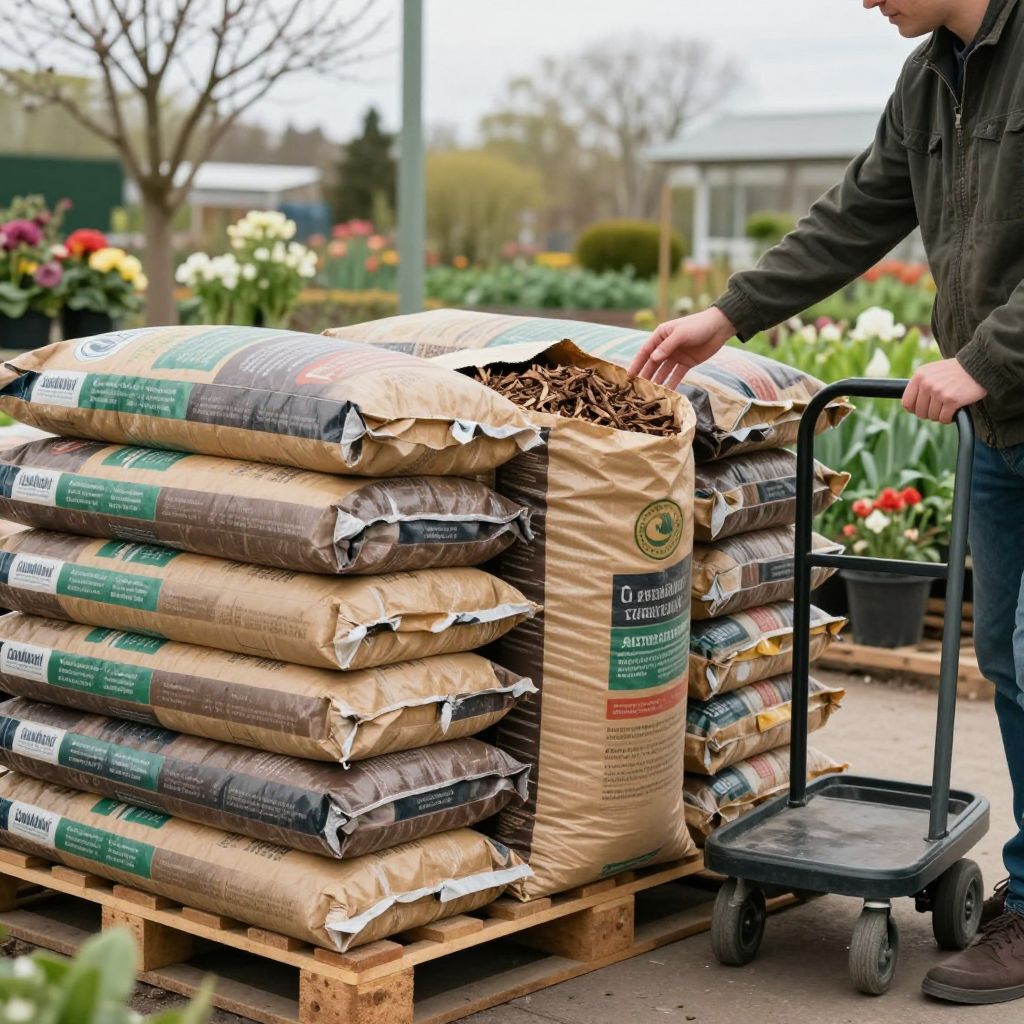
Wondering when does mulch go on sale so you can save money and still protect your beds? The best deals usually show up when retailers are clearing seasonal inventory, especially in late summer, fall, and again in early spring. The exact timing depends on your climate, local demand, and whether you’re shopping big-box stores, garden centers, or landscape suppliers.
Mulch is one of the most useful materials in the garden, but it’s also easy to overpay if you buy at the wrong time. Knowing when prices dip helps you plan ahead, stock up wisely, and choose the right mulch for your planting beds, paths, and trees.
When does mulch go on sale?
Mulch often goes on sale in late summer, fall, and early spring. Retailers discount it when they need to clear leftover stock, make room for seasonal products, or encourage early garden purchases. The best deals are usually found after peak spring planting demand and again as stores reduce inventory before winter.
Why mulch prices change through the year
Mulch pricing follows gardening demand. When homeowners are refreshing beds, planting annuals, or tackling spring cleanup, demand rises and discounts are less common.
Once that rush passes, stores may lower prices to move inventory. You may also see promotions tied to holiday weekends, local landscaping season, or end-of-season clearance events.
Common sale windows to watch
- Late spring to early summer: Some stores mark down mulch after the first big rush.
- Late summer: Inventory may be discounted as garden traffic slows.
- Fall: A strong time for clearance, especially on bagged mulch.
- Late winter to early spring: Preseason promotions can appear before peak demand returns.
Where you’re most likely to find discounts
- Big-box home improvement stores: Often run seasonal specials and bulk-buy discounts.
- Garden centers: May offer clearance on leftover bagged mulch near the end of the season.
- Landscape supply yards: Sometimes provide better pricing on bulk mulch, especially if you buy by the cubic yard.
- Municipal compost or recycling programs: In some areas, inexpensive or free mulch is available from local yard-waste processing sites.
How to tell if a mulch sale is actually a good deal
A low price tag does not always mean the best value. Compare the coverage per bag or cubic yard, the mulch type, and whether delivery or loading fees are included.
For bagged mulch, check the label for the volume, not just the sale price. A cheaper bag may contain less material, so the cost per cubic foot can be higher than it looks.
What to compare before you buy
- Coverage: How many square feet the mulch will cover at your target depth.
- Material: Bark, wood chips, shredded hardwood, pine bark, or composted mulch all behave differently.
- Color retention: Dyed mulch may look neat longer, but quality varies.
- Delivery or pickup costs: Bulk mulch can be cheaper overall, but hauling fees matter.
- Condition: Make sure the mulch is dry enough to spread and not sour-smelling or moldy.
Choosing the right mulch for your garden
The best sale is only useful if the mulch suits your plants and site. Mulch should help conserve moisture, moderate soil temperature, and suppress weeds without creating drainage problems.
Best mulch types for common garden uses
- Shredded bark or hardwood mulch: Good for ornamental beds and around shrubs.
- Wood chips: Often durable and useful for paths, trees, and larger landscape areas.
- Pine bark: Popular in many beds, especially where a lighter mulch is preferred.
- Composted mulch: Can improve soil over time, but it breaks down faster.
- Straw: Better for vegetable gardens and temporary coverage than for decorative beds.
For most home landscapes, choose a mulch that matches the job. Decorative beds need a different product than a vegetable patch, and tree rings need a different approach than a sloped path.
How much mulch you need before buying on sale
Buying on sale is smart, but buying too much can waste money and storage space. Measure your area first so you know how much to purchase.
A common depth for mulch is 2 to 4 inches, depending on the material and the purpose. Finer mulch often performs well at 2 to 3 inches, while coarser mulch may be used a bit deeper.
Simple planning tips
- Measure the length and width of each bed.
- Multiply to get square footage.
- Decide on your depth in inches.
- Use a mulch calculator or ask the supplier for cubic yard coverage.
It is better to buy a little extra than to run short halfway through the job, but avoid overbuying if you have no dry place to store it.
Best time to apply mulch after you buy it
You can apply mulch whenever the soil is workable and the weather is appropriate, but timing matters. In many gardens, mulch is most useful after the soil has warmed in spring or before winter cold sets in.
Apply mulch after weeding and watering, but before weeds have a chance to spread again. If you are mulching around newly planted shrubs or perennials, wait until the soil has settled and the planting hole is properly watered in.
Good times to mulch
- Spring: Helps conserve moisture as temperatures rise.
- Early summer: Useful after rain patterns become less reliable.
- Fall: Helps protect roots and reduce winter soil heaving in colder climates.
Times to be careful
- When soil is already waterlogged.
- When mulch would trap excessive moisture around crowns or stems.
- When you are covering newly seeded areas that need light and airflow.
How to apply mulch correctly
Even a good sale can be wasted if mulch is applied poorly. The goal is to cover the soil, not bury the plant.
- Remove weeds and debris from the bed.
- Water the soil if it is dry.
- Spread mulch evenly to the desired depth.
- Keep mulch a few inches away from stems and trunks.
- Rake it smooth, but do not pack it down tightly.
Avoid piling mulch against tree trunks or shrub stems. That common mistake can hold moisture against bark and invite rot, pests, and disease.
How far to keep mulch from plants
- Annuals and perennials: Leave a small gap around the crown.
- Shrubs: Keep mulch a few inches away from stems.
- Trees: Leave the trunk flare visible and do not create a “mulch volcano.”
Problems to avoid when buying mulch on sale
Discount mulch can be perfectly fine, but check it carefully. Cheap mulch that is too fresh, too wet, or poorly stored can cause more trouble than it saves.
Common issues and fixes
- Foul or sour smell: The mulch may be too fresh or poorly composted. Let it air out if possible, or choose another batch.
- Excessive mold or fungus: Some fungal growth is normal in organic mulch, but heavy growth indoors or in containers is a warning sign.
- Weed seeds or contaminants: Buy from reputable suppliers and inspect bulk mulch before spreading it.
- Color fading too quickly: Dyed mulch may lose color faster in strong sun or heavy rain.
If you are buying bulk mulch, ask whether it is screened, composted, or made from fresh wood chips. Those details affect how it performs in the garden.
How mulch supports healthy plant growth
Mulch does more than make beds look neat. It helps reduce evaporation, keeps soil temperatures steadier, and can slow weed growth, which means less competition for water and nutrients.
That said, mulch is not a substitute for good soil preparation. If your bed has poor drainage, compacted soil, or chronic weed pressure, mulch helps most when combined with proper bed maintenance.
Where mulch helps most
- Newly planted beds: Reduces moisture stress while roots establish.
- Tree rings and shrub borders: Protects shallow roots from heat and drying.
- Vegetable gardens: Helps keep soil from crusting and drying out.
- Sloped areas: Can reduce splashback and slow erosion when applied correctly.
Storage tips if you buy mulch on sale early
If you find a great price before you are ready to use it, store the mulch where it stays dry and accessible. Keep bagged mulch off bare soil and away from standing water.
For bulk mulch, cover the pile loosely if needed, but allow some airflow. A pile that stays too wet can become compacted, sour, or difficult to spread.
Best storage practices
- Keep bags on pallets or a raised surface.
- Store away from direct runoff and standing water.
- Use older stock first if you buy in stages.
- Check stored mulch before use for heat, odor, or excess moisture.
Final buying strategy for gardeners
The smartest approach is to watch for mulch sales before the season you need it, then buy only what fits your beds and storage space. Late summer, fall, and early spring are the most reliable times to look for discounts, but local sales can appear any time inventory needs to move.
If you want to save the most, compare coverage, choose the right mulch type, and apply it correctly once you bring it home. For more seasonal garden planning, you may also want to read about how to prepare garden beds for spring and choosing the best mulch for vegetable gardens.