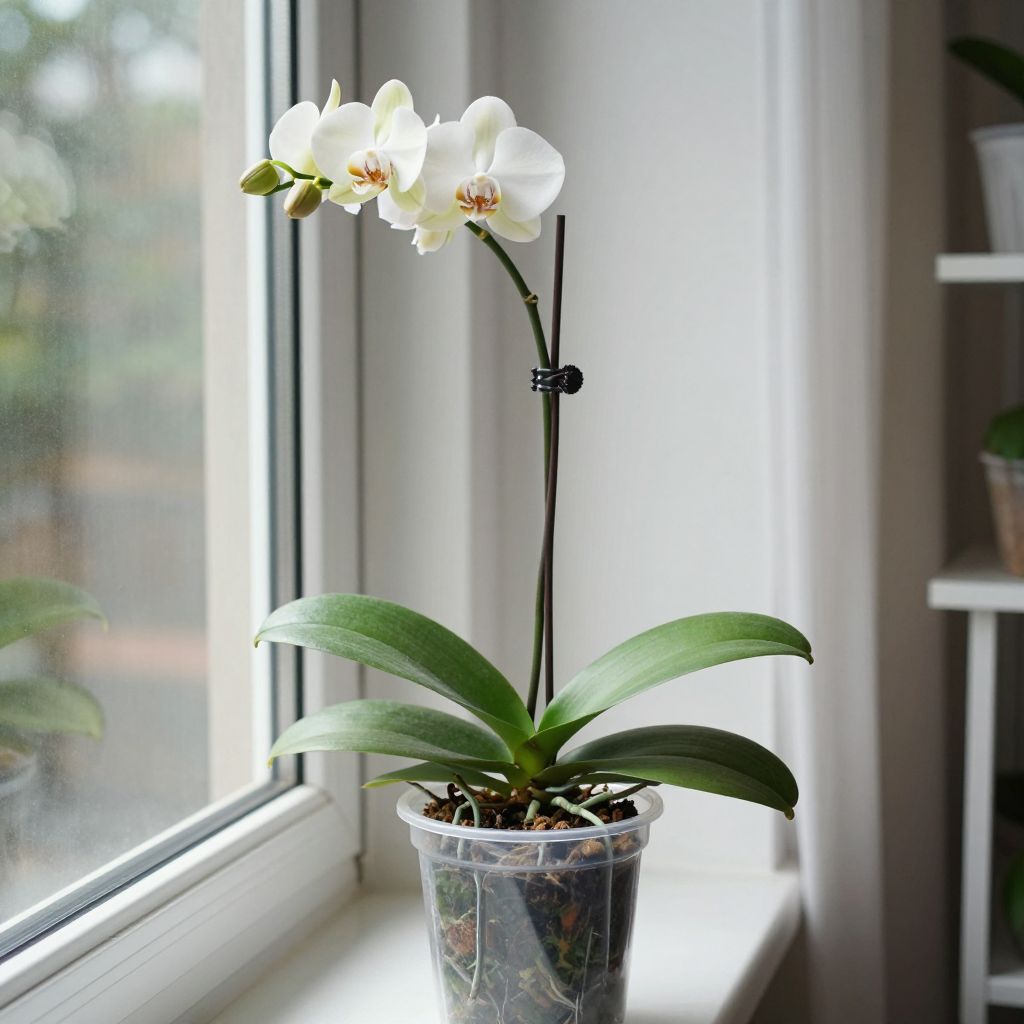
Do orchids rebloom? Yes—many popular orchids can flower again if they get the right light, watering, and rest period after the first bloom. The key is not to force more flowers, but to help the plant build enough energy to flower on its own schedule.
If your orchid has finished blooming and looks like it is “done,” don’t give up too quickly. With the right care, Phalaenopsis, Cattleya, Dendrobium, and some other orchids can rebloom indoors or in a protected garden setting.
Do orchids rebloom?
Yes, orchids can rebloom, and many do so regularly when their growing conditions are close to what they need. Most home orchids rebloom from a mature plant, not from a newly purchased one that is still recovering from shipping or a recent bloom cycle. Healthy leaves, roots, and steady care are the real drivers of repeat flowering.
Which orchids are most likely to rebloom?
Some orchids are naturally easier to rebloom indoors than others. The most common houseplant orchid, Phalaenopsis (moth orchid), is one of the best choices for repeat flowering because it tolerates typical indoor conditions fairly well.
Common reblooming orchids
- Phalaenopsis — often reblooms on a flower spike after a rest period.
- Cattleya — can rebloom well with bright light and good air movement.
- Dendrobium — many types rebloom after a seasonal rest, though care varies by group.
- Oncidium alliance orchids — may rebloom when kept evenly moist and brightly lit.
Not every orchid behaves the same way. Some need a cool night temperature shift, while others need a drier rest or stronger light before they set new buds.
What makes an orchid rebloom?
Orchids rebloom when they have enough stored energy and the right environmental cues. The most important factors are light, root health, temperature, and a watering routine that keeps the plant hydrated without staying soggy.
The main rebloom triggers
- Bright, indirect light to fuel growth and flower production.
- Healthy roots that can absorb water and nutrients.
- Proper temperature changes for some species, especially Phalaenopsis.
- Consistent but not excessive watering.
- Light feeding during active growth.
If an orchid keeps growing leaves but never flowers, the plant may be getting too little light. If roots are brown and mushy, the problem is usually too much water or a potting mix that has broken down.
How to get an orchid to rebloom
The best way to encourage reblooming is to support the plant after flowering instead of cutting care back too much. Start with the basics: light, roots, water, and a fresh potting mix when needed.
1. Give it enough light
Most orchids need brighter light than a typical low-light houseplant. A good rule is bright, filtered light near an east window or a shaded south or west window.
- Leaves should be medium green, not dark green and floppy.
- Too much direct sun can scorch leaves.
- Too little light often means no rebloom, even if the plant looks healthy.
2. Water correctly
Orchids do best when the potting mix is allowed to approach dryness before watering again, but they should not stay dry for long periods. Water thoroughly, then let excess water drain away completely.
- Use pots with drainage holes.
- Never let the orchid sit in standing water.
- Check the mix with your finger or by pot weight before watering.
For bark-based mixes, watering often changes with season, pot size, humidity, and indoor heat. In warmer, brighter weather, orchids usually dry faster than they do in winter.
3. Feed lightly during active growth
Orchids do not need heavy fertilizing to rebloom, but they do benefit from regular, diluted feeding while they are making new leaves or roots. Use an orchid fertilizer or a balanced houseplant fertilizer diluted to a gentle strength, following the label.
Do not overfertilize. Salt buildup can damage roots and reduce flowering. If you suspect buildup, flush the pot with plain water occasionally, especially if you fertilize frequently.
4. Watch the roots and potting mix
Healthy orchid roots are firm and usually green when wet and silvery or pale when dry. If the mix has turned crumbly, compacted, or sour-smelling, it may be time to repot.
- Repot when the bark breaks down.
- Choose a pot only slightly larger than the root mass.
- Use an orchid mix, not regular garden soil.
Regular soil holds too much water for most orchids and can suffocate the roots.
Should you cut the flower spike?
Whether you cut the spike depends on the orchid type and the condition of the stem. For Phalaenopsis orchids, a green spike may sometimes rebloom from a node, while a brown, dry spike should be removed.
Simple spike care guide
- Green spike: may be left in place if the plant is healthy and the node looks viable.
- Brown or dry spike: trim it off near the base with clean scissors or pruners.
- Damaged spike: remove dead sections to reduce stress and improve appearance.
For some orchids, especially those with a defined growth cycle, cutting the spike is normal after flowering. If you are unsure of the type, focus first on plant health rather than trying to force a second bloom from the same stem.
Temperature, humidity, and seasonal cues
Many orchids rebloom better when they get a slight shift in temperature, especially between day and night. This is one reason orchids often flower after a seasonal change rather than in a perfectly steady indoor environment.
What to aim for
- Moderate indoor temperatures suited to the species.
- A small nighttime drop for orchids that need it.
- Moderate humidity with good air movement.
Phalaenopsis orchids often respond to cooler nights in fall, while some other orchids need a different seasonal pattern. If you grow orchids outdoors in a mild climate, protect them from cold snaps, strong wind, and direct harsh sun.
Common reasons orchids do not rebloom
If your orchid refuses to flower again, the cause is usually one of a few common problems. Most are fixable once you identify the issue.
1. Not enough light
This is the most common reason. A plant can survive in low light for a while, but it may not bloom again.
2. Root problems
Rotting roots cannot support flowering. Soft, brown, hollow roots usually mean too much moisture or poor drainage.
3. Old potting mix
Orchid mix breaks down over time and holds too much water. That can lead to root decline and fewer flowers.
4. Stress after purchase
Store-bought orchids may bloom once, then pause while they adjust to your home. That is normal if the plant is recovering well.
5. Too much fertilizer or salts
Excess feeding can burn roots and leaves, which weakens the plant instead of helping it bloom.
Troubleshooting a healthy orchid that still won’t bloom
If the leaves look good but flowers never return, use this checklist before changing too many things at once.
- Move the orchid to brighter indirect light.
- Check that the pot drains freely.
- Inspect roots for rot or dryness.
- Repot if the mix is old or breaking down.
- Feed lightly during active growth only.
- Look for temperature cues the species may need.
Be patient after making changes. Orchids often take weeks or months to respond, and some bloom only once or twice a year depending on species and growing conditions.
Pests and diseases that can interfere with reblooming
Weak orchids are more likely to struggle with pests and disease. Even a plant that looks “okay” can fail to bloom if it is fighting hidden damage.
Watch for these problems
- Mealybugs in leaf joints and on roots.
- Scale insects on leaves and stems.
- Spider mites in dry indoor air.
- Root rot from overwatering.
- Leaf spotting or crown rot from water sitting in the crown or poor airflow.
Remove pests early with gentle cleaning and appropriate treatment for houseplants. Keep water out of the crown of Phalaenopsis orchids, especially in cool conditions, because trapped moisture can lead to rot.
Can you propagate an orchid to get more blooms?
Propagation is not usually the fastest way to get reblooming flowers from a home orchid. Most gardeners grow the original plant well and wait for it to bloom again. Some orchids can produce offsets or keikis, but that depends on the type and growing conditions.
If your orchid produces a keiki, let it develop enough roots before separating it. A small offset is not ready to bloom right away and needs time to grow first.
Indoor vs. outdoor orchid reblooming
Indoor orchids depend on your window light, humidity, and room temperatures. Outdoor orchids, grown only where the climate suits them, may respond more naturally to seasonal changes, but they still need protection from extremes.
Indoor growing tips
- Place orchids near bright windows with filtered light.
- Rotate pots occasionally so growth stays balanced.
- Use a humidity tray or room humidifier if the air is very dry.
Outdoor growing tips
- Provide shade from harsh midday sun.
- Protect from heavy rain that can soak the mix.
- Move tender orchids indoors before cold weather.
Always match the orchid to your climate. A plant that reblooms easily indoors in one home may struggle outdoors in a cooler or wetter region.
Conclusion: the best path to reblooming
Orchids rebloom when they are healthy, well lit, and growing in the right mix. Focus on root health, drainage, and steady care rather than trying to rush the plant.
If you want your orchid to flower again, start today by checking the roots, moving it to brighter indirect light, and removing any dead flower spike. For more practical orchid care, you may also want to read about repotting orchids and choosing the right orchid potting mix.