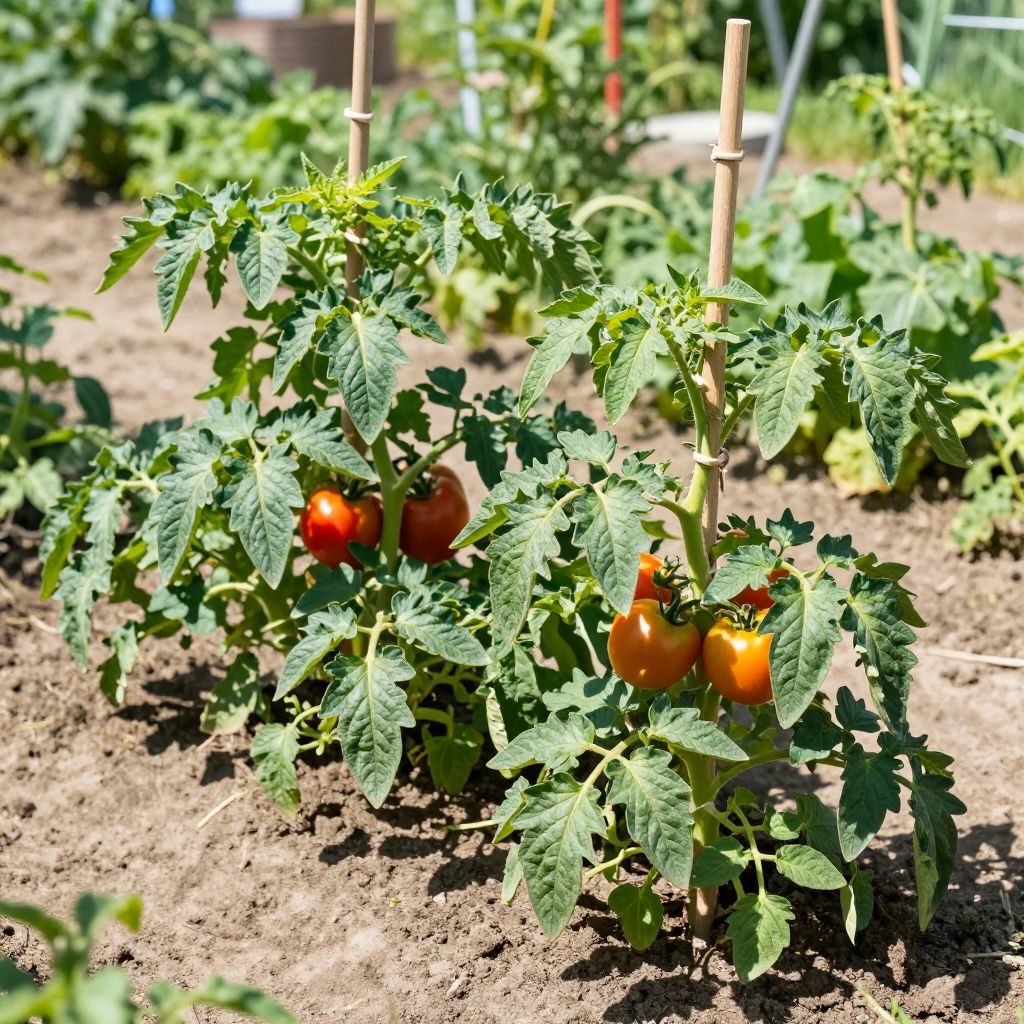
Do tomato plants need full sun? In most gardens, yes. Tomatoes grow and ripen best with strong light, and too little sun usually means fewer flowers, slower growth, and bland or late fruit.
That said, “full sun” does not mean the same thing in every climate. The right amount of light, heat, and water depends on your local weather, the season, and whether you are growing tomatoes in the ground, raised beds, or containers.
Do tomato plants need full sun?
Tomato plants perform best with at least 6 to 8 hours of direct sun daily, and 8 or more hours is ideal for strong growth and good fruit production. They can survive with less, but yields usually drop and fruit ripens more slowly. In very hot climates, some afternoon shade can help prevent heat stress.
Why sun matters so much for tomatoes
Sunlight drives photosynthesis, which is how tomato plants make the energy they need for stems, leaves, flowers, and fruit. More direct sun usually means sturdier plants, better flowering, and sweeter, more abundant tomatoes.
If tomatoes do not get enough light, they often become leggy, weak, and slow to set fruit. You may also notice smaller harvests, delayed ripening, and more disease problems because crowded, shaded plants dry out more slowly after rain or watering.
What counts as full sun?
- Full sun usually means 6 or more hours of direct sunlight each day.
- For tomatoes, 8 to 10 hours is often better, especially in cooler regions.
- Morning sun is especially valuable because it helps leaves dry quickly and reduces disease pressure.
How much sun tomatoes really need by climate
The best light level depends on where you garden. Tomatoes love warmth, but too much intense heat can reduce fruit set even when the plant is getting plenty of sun.
Cooler climates
In cooler areas, give tomatoes the sunniest spot you have. They usually need the maximum light available to ripen fruit before the season ends.
Hot climates
In very hot regions, tomatoes may benefit from light afternoon shade when temperatures regularly climb above about 90°F. This is especially helpful if fruit is sunscalding, flowers are dropping, or plants are wilting despite adequate moisture.
Short-season gardens
If your growing season is short, prioritize a site with early morning sun and no shade from buildings, fences, or trees. Every extra hour of direct light can help fruit mature sooner.
Best planting location for tomato success
Choosing the right site is one of the easiest ways to improve your harvest. Tomatoes need sun, but they also need airflow, good drainage, and enough room to grow.
- Pick a spot with unobstructed sun for most of the day.
- Avoid areas shaded by trees, tall shrubs, or north-facing walls.
- Make sure water does not pool after rain.
- Leave enough space so plants are not crowded by other vegetables.
If you are growing in containers, place pots where they will receive direct light for most of the day. A sunny patio, deck, or south-facing balcony often works well, but containers dry out faster than in-ground beds.
What happens if tomatoes don’t get enough sun?
Tomatoes can still grow in partial sun, but their performance usually declines. The most common signs are easy to spot if you know what to look for.
- Leggy growth with long, weak stems
- Fewer flowers and fewer fruit clusters
- Slow ripening or green fruit that stays green too long
- Small fruit with less flavor
- Higher risk of fungal problems because plants stay damp longer
If your tomatoes are in too much shade, moving them is often the best fix. If they are already planted, trim or relocate nearby plants that block light, and prune only enough to improve airflow and sun exposure without stressing the plant.
Can tomatoes handle some shade?
Yes, but only to a point. Tomatoes are not true shade plants, yet they can tolerate a little less than full sun in some situations, especially if the climate is very hot or the variety is particularly vigorous.
When a little shade can help
- During extreme summer heat
- In desert or very exposed sites
- For young transplants adjusting after planting
- When afternoon sun is scorching and fruit is getting sunburned
Light afternoon shade is different from deep shade. If a plant gets only a few hours of weak light, it will usually struggle no matter how well you water or fertilize it.
Soil, compost, and drainage still matter
Even the sunniest tomato plant will disappoint if the soil is poor. Tomatoes want fertile, well-drained soil that holds moisture without staying soggy.
Before planting, work in compost to improve soil structure and help roots spread. Good drainage matters because tomato roots need oxygen as much as they need water. Heavy, waterlogged soil can stunt growth and encourage root rot.
- Use rich garden soil or a quality raised-bed mix.
- Mix in compost to boost organic matter.
- Avoid planting in low spots where water collects.
- Mulch after planting to help regulate soil moisture and temperature.
Watering tomatoes in full sun
Tomatoes in full sun usually need more frequent watering than shaded plants, especially in containers or sandy soil. The goal is steady moisture, not constant wetness.
Water deeply at the base of the plant so roots grow downward. Try to keep leaves dry when possible, because wet foliage can encourage disease. Morning watering is often best since it gives the plant time to dry before nightfall.
Signs your watering is off
- Underwatering: drooping leaves, dry soil, blossom drop, cracked fruit after irregular watering
- Overwatering: yellowing leaves, soft growth, soggy soil, reduced root health
If you are unsure, check the soil with your finger about 2 inches deep. If it feels dry at that depth, water. If it still feels moist, wait and check again later.
Pruning and training for better light
Pruning can help tomato plants capture more light and improve airflow, but it should be done carefully. The goal is not to strip the plant bare.
For indeterminate tomatoes, removing a few lower leaves and some suckers can help open the plant to light and reduce disease risk. Determinate tomatoes usually need less pruning because they naturally grow more compactly and set fruit over a shorter period.
- Remove leaves touching the soil.
- Cut away damaged, yellowing, or diseased foliage.
- Use stakes, cages, or trellises to keep plants upright and exposed to sun.
- Do not overprune, especially during very hot weather, because fruit can become sunburned.
Common tomato problems linked to too little or too much sun
Light issues often show up as growth problems, but they can also affect fruit quality. Knowing the difference helps you correct the real cause instead of guessing.
Too little sun
- Slow growth
- Weak stems
- Poor flowering
- Delayed harvest
- Lower sugar development in fruit
Too much intense sun and heat
- Leaf scorch on exposed foliage
- Sunscald on fruit, especially if leaves are removed too aggressively
- Flower drop during heat waves
- Wilting even when soil is moist
If fruit is getting sunscald, leave more foliage in place or provide temporary shade cloth during the hottest part of the day. If plants are wilting in the afternoon but recovering by evening, they may be dealing with heat stress rather than a watering failure.
Growing tomatoes indoors or on balconies
Indoor tomato growing is possible, but light is usually the biggest challenge. A bright windowsill is often not enough for productive fruiting unless the plant gets several hours of direct sun and the window is very bright.
For indoor or balcony tomatoes, choose the sunniest possible location and rotate the pot regularly so the plant grows evenly. If natural light is limited, supplemental grow lights can help, especially for seedlings and compact container varieties.
- Use a large pot with drainage holes.
- Keep the plant near the brightest available light.
- Support stems with a stake or cage.
- Watch closely for drying soil, since pots heat up and dry faster.
Simple checklist for healthy, sun-loving tomatoes
- Choose a site with 6 to 8+ hours of direct sun.
- Plant in fertile, well-drained soil enriched with compost.
- Space plants so air and light can move through them.
- Water deeply and consistently at the base.
- Use mulch to protect moisture and reduce soil splash.
- Stake or cage plants to keep foliage off the ground.
- Watch for heat stress, shade problems, and disease symptoms.
Final thoughts
So, do tomato plants need full sun? Yes, they usually do best with plenty of direct light, and the more sun they get within reason, the better they tend to grow and fruit. If your garden is hot, shaded, or short on space, make small adjustments rather than assuming tomatoes cannot work there.
Start by observing your site for a full day, then place your tomatoes where they will get the strongest light, good drainage, and steady moisture. For more help with tomato care, you may also want to read about tomato growing basics and common tomato plant problems.