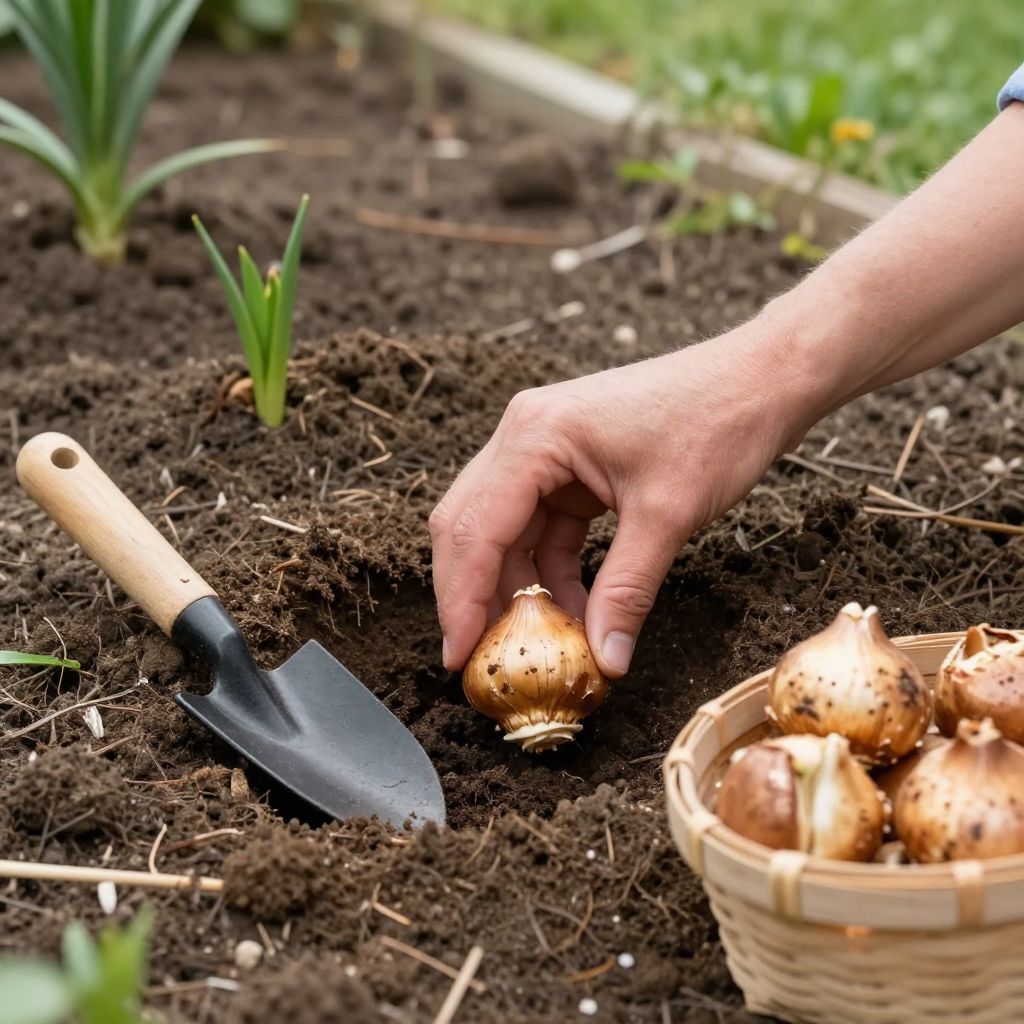
Wondering when to plant lily bulbs so they bloom well and settle in safely? The best time depends on your climate and the type of lily, but in most gardens, lilies are planted in spring or early autumn when the soil is workable and not waterlogged.
Planting at the right time gives the bulbs a chance to root before extreme heat or hard frost. With good drainage, enough sun, and the right planting depth, lilies are usually straightforward to grow and can return for years.
When to plant lily bulbs?
Plant lily bulbs in spring after the ground has thawed or in early to mid-autumn while the soil is still workable. Spring planting is often safest in colder regions, while autumn planting works well where winters are not severe and drainage is excellent. Avoid planting in frozen, soggy, or heat-stressed soil.
Best planting time by season
Spring planting
Spring is a reliable choice for most gardeners, especially in colder climates. Plant as soon as the soil can be dug without sticking to your tools and the danger of hard frost is easing.
Spring-planted lilies often focus on root growth first, then bloom later in the season or the following year, depending on bulb size and variety.
Autumn planting
In milder climates, autumn planting can work very well because bulbs have time to root before winter. Aim for a period when soil temperatures are cooling but not frozen, and plant early enough that roots can establish before the ground becomes cold.
If your area has wet winters, autumn planting is riskier unless the bed drains quickly. Lily bulbs dislike sitting in cold, saturated soil.
What about summer planting?
Summer is usually not ideal for planting lily bulbs unless you have no choice and can water carefully. Hot soil and dry conditions can stress newly planted bulbs before they root. If you must plant in summer, water deeply after planting and mulch lightly to reduce heat stress.
How to choose the right planting spot
Lilies grow best in a site with full sun to light afternoon shade, depending on your climate. In hotter regions, some afternoon shade helps protect flowers and foliage from scorching.
The most important requirement is well-drained soil. Lilies are far more likely to fail from rot than from cold. If water puddles after rain, choose another spot or improve drainage before planting.
- Choose a bed that gets at least 6 hours of light if possible.
- Avoid low spots where water collects.
- Keep lilies away from dense shrubs or tree roots that compete for moisture and nutrients.
- Plant where tall stems can be protected from strong wind or staked if needed.
How to plant lily bulbs correctly
Plant lily bulbs as soon as possible after purchase, because they can dry out if stored too long. If you must delay, keep them cool, dry, and out of direct sun.
- Loosen the soil to a depth of about 12 to 15 inches if possible.
- Mix in compost if the soil is poor, but do not make it overly rich or heavy.
- Dig a hole deep enough to plant the bulb about 3 times its height deep, usually around 6 to 8 inches for many lilies.
- Set the bulb with the pointed end up and roots spread out if visible.
- Backfill gently and water thoroughly to settle the soil.
- Mulch lightly to conserve moisture and reduce temperature swings.
Spacing matters too. Leave enough room for air movement, usually about 8 to 12 inches apart for many lilies, though larger types may need more space. Crowding can increase disease problems and reduce flowering.
Soil, compost, and drainage tips
Lilies prefer loose, fertile soil that drains well but still holds some moisture. A sandy loam or amended garden soil is ideal. Heavy clay can work if improved, but it must not stay wet for long periods.
Compost is useful, but use it in moderation. A few inches worked into the top layer of soil can improve structure and fertility. If your soil is very heavy, consider planting lilies in raised beds or mounds to keep the crown and bulb from sitting in water.
Signs drainage is not good enough
- Water remains on the surface for hours after rain.
- The soil feels sticky and dense when wet.
- Bulbs rot, fail to sprout, or produce weak shoots.
- Leaves yellow early without obvious pest damage.
Watering after planting
Water lilies well after planting, then keep the soil evenly moist while roots are establishing. After that, they prefer steady moisture rather than frequent shallow watering. The goal is moist, not soggy, soil.
During active growth, water when the top inch or two of soil begins to dry. In rainy climates, you may not need much supplemental water. In dry spells, deep watering is better than light sprinkling because it encourages stronger roots.
What to expect after planting
Newly planted lily bulbs may take time to show top growth, especially if planted in cool soil. Some bulbs send up shoots quickly, while others spend more energy rooting first.
Do not dig them up to check progress unless there is a clear problem. If the bulb was healthy and the site is suitable, patience is usually the best approach.
Common reasons lilies do not emerge
- Planting too shallow or too deep
- Soil staying wet and causing rot
- Bulbs drying out before planting
- Rodent or wildlife damage
- Planting in a spot with too little light
Growing tips for healthy lilies
Once lilies are growing, a few simple habits make a big difference. Support tall stems if your variety tends to lean, especially in windy gardens or rich soil that encourages taller growth.
- Mulch lightly to keep roots cool and reduce weeds.
- Remove spent flowers to prevent seed formation and keep the plant tidy.
- Keep foliage intact after blooming so the bulb can recharge for next year.
- Feed lightly with compost or a balanced bulb fertilizer if your soil is poor, but avoid overfeeding with high nitrogen.
One of the most common mistakes is cutting the stems down too soon after flowering. The leaves continue feeding the bulb until they yellow naturally. If you remove them early, next year’s display may be weaker.
Pests and diseases to watch for
Lilies can be affected by a few common problems, especially in damp or crowded plantings. Good spacing, clean beds, and proper watering prevent many issues.
Common pests
- Lily beetles, where present, can defoliate plants quickly.
- Aphids may cluster on buds and young shoots.
- Slugs and snails can damage emerging growth in wet weather.
- Bulbs may be eaten by rodents in some gardens.
Common diseases
- Botrytis blight can spot leaves and flowers in cool, wet conditions.
- Bulb rot often follows poor drainage or overwatering.
- Viruses may cause streaking, distortion, or weak growth.
If you see diseased foliage, remove affected parts promptly and discard them. Avoid composting clearly infected material if disease pressure is high in your garden. Always keep tools clean when moving between plants.
Should you lift and divide lily bulbs?
Lilies do not need dividing every year, but crowded clumps can eventually flower less well. If blooming declines or stems become congested, you can lift and separate bulbs after the foliage has died back.
Replant divisions promptly at the proper depth. Handle the bulbs gently, because damaged scales and roots are more vulnerable to rot. If you are not replanting right away, keep them cool and slightly moist, not dry and shriveled.
Container growing and indoor forcing
Some lilies can be grown in large containers if the pot has excellent drainage and enough depth for the roots. Use a free-draining potting mix and do not let containers sit in standing water.
For indoor forcing, timing depends on the lily type and the bulb’s needs. Not all lilies are suitable for indoor bloom, so check the variety before trying. In general, bulbs need a cool period if they are adapted to it, and they still need bright light once shoots appear.
Quick mistakes to avoid
- Planting in heavy, wet soil without improving drainage
- Setting bulbs too shallow
- Letting bulbs dry out before planting
- Overwatering after the bulbs are established
- Cutting foliage back too early after flowering
- Choosing a shady spot that limits blooming
Conclusion
If you are deciding when to plant lily bulbs, aim for spring in cold climates or early autumn in milder ones, and always prioritize drainage over convenience. Choose a sunny, airy site, plant at the right depth, and keep the soil moist but never soggy. For more bulb-growing guidance, you may also want to read how to plant bulbs in garden beds and tips for growing flowers in containers.