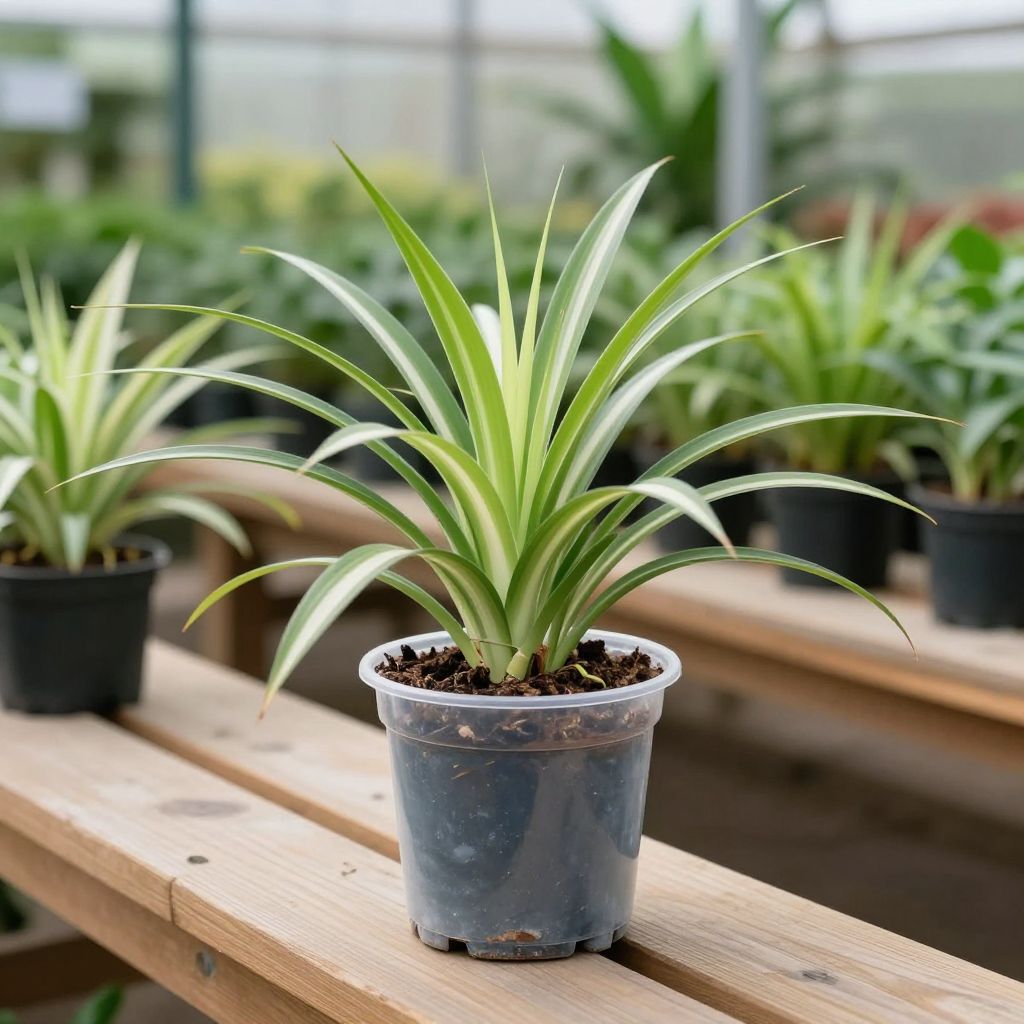
Looking for Spider Plant Where To Buy and wondering how to choose a healthy one? Spider plants are one of the easiest houseplants to find, but quality can vary a lot between garden centers, big-box stores, and online sellers.
The best purchase is a plant with firm, arching leaves, no mushy roots, and no obvious pest damage. Once you bring it home, the real success comes from giving it bright indirect light, well-draining soil, and careful watering so it settles in without stress.
Spider Plant Where To Buy?
You can buy spider plants at local garden centers, nurseries, houseplant shops, farmers markets, and reputable online plant retailers. Choose a plant with healthy green or variegated leaves, no brown mushy crowns, and no signs of spider mites or mealybugs. Smaller plants often adapt faster than overgrown, rootbound ones.
Where to buy a spider plant
Spider plants (Chlorophytum comosum) are widely available, but the best source depends on whether you want convenience, selection, or the chance to inspect the plant in person.
Local garden centers and nurseries
This is usually the safest place to buy if you want to see the plant before paying. You can check leaf color, root condition, and overall vigor.
- Best for: beginners, healthy starter plants, and local climate advice
- Watch for: crowded shelves, dry pots, and hidden pests
- Advantage: you can avoid shipping stress
Big-box stores and supermarkets
These stores often carry spider plants at lower prices, especially in spring and summer. Quality can be good, but plants may be under-watered or left in low light for too long.
- Check the undersides of leaves for pests
- Look for pots that are not bone-dry or waterlogged
- Choose plants with several healthy crowns rather than one weak stem
Online plant shops
Online sellers are useful if you want a specific form, such as a larger specimen or a variegated selection. The main risk is shipping damage, so buy from sellers with clear plant-size descriptions and good packing practices.
- Best for: wider selection and hard-to-find sizes
- Ask about: shipping timing, heat or cold protection, and live-arrival policies
- Tip: avoid ordering during extreme weather if possible
Friends, plant swaps, and divisions
Spider plants are easy to share because mature plants produce offsets, often called “spiderettes.” A division or rooted offset can be a very economical way to start.
- Make sure the offset has roots before potting it up
- Inspect it for pests before bringing it indoors
- Expect a smaller plant to need a little time to fill out
How to choose a healthy spider plant
A good purchase starts with inspection. Healthy spider plants usually have flexible leaves, active growth, and a pot that drains well. Avoid plants that look tired from neglect or stressed from poor care.
- Check the leaves. They should be firm, not limp or crispy.
- Look at the color. Some browning at the tips is common, but widespread yellowing is a warning sign.
- Inspect the crown. The center should be firm, not soft or rotten.
- Lift the pot. It should not be dripping wet or completely dried out.
- Examine the roots if possible. White or light tan roots are better than black, mushy ones.
Signs to avoid
- Sticky residue, webbing, or speckling on leaves
- Soft stems or a sour smell from the soil
- Leaves with heavy brown tips on most of the plant
- Visible fungus gnats flying from the pot
- A plant that has been sitting in standing water
How to plant a spider plant after you buy it
After purchase, spider plants usually do best in a pot with drainage holes and a light, airy mix. If the nursery pot is in good shape, you may not need to repot immediately. Give the plant a short adjustment period unless it is clearly rootbound or the soil is poor.
Potting mix and container
Use a well-draining houseplant mix, or blend standard potting soil with perlite or fine bark to improve airflow. Spider plants dislike heavy, soggy soil.
- Pot choice: one size larger than the root ball is usually enough
- Drainage: always use a pot with holes
- Soil goal: moist but never waterlogged
Repotting steps
- Water lightly a few hours before repotting if the root ball is very dry.
- Remove the plant gently and loosen circling roots if needed.
- Place fresh mix in the new pot and set the crown at the same depth as before.
- Fill around the roots and press lightly to remove large air pockets.
- Water thoroughly, then let excess drain away.
Do not bury the crown. Planting too deep can encourage rot.
Indoor care after bringing it home
Spider plants are popular because they adapt well indoors, but they still need the right balance of light and moisture. A newly purchased plant often needs a little time to recover from store conditions.
Light
Bright, indirect light is ideal. A spot near an east- or north-facing window, or a few feet back from a brighter window, usually works well.
- Too little light can cause slow growth and dull color
- Too much direct sun can scorch leaves
- Rotate the pot every week or two for even growth
Watering
Water when the top 1 to 2 inches of soil feel dry, adjusting for temperature, pot size, and season. Spider plants are more tolerant of slight dryness than soggy roots.
- Water thoroughly until excess drains out
- Empty saucers after watering
- Reduce watering in cooler, darker months
Humidity and temperature
Normal indoor humidity is usually fine, though very dry air can lead to brown leaf tips. Keep the plant away from heat vents, cold drafts, and sudden temperature swings.
Can you grow spider plants outdoors?
In warm climates, spider plants can be grown outdoors in containers or in sheltered beds, but they are sensitive to cold. If you live in a region with frost, treat them as seasonal outdoor plants or move them inside before temperatures drop.
Outdoor placement
- Choose bright shade or filtered light
- Avoid harsh afternoon sun
- Use well-drained soil or a raised container
- Protect from heavy rain that keeps the soil saturated
Outdoor spider plants often do best in hanging baskets, porch containers, or under light tree cover where they get protection from direct sun and wind.
Common problems after purchase
Newly bought spider plants sometimes show stress after the move. Most issues are easy to correct if you catch them early.
Brown leaf tips
This is one of the most common complaints. It can happen from inconsistent watering, dry indoor air, fertilizer buildup, or tap water minerals.
- Trim brown tips with clean scissors if needed
- Water more evenly, but do not overwater
- Flush the pot occasionally if mineral buildup is suspected
Yellowing leaves
Yellow leaves may signal too much water, poor drainage, or low light. Check the soil before changing anything else.
- If soil is wet, let it dry and improve drainage
- If the plant is in deep shade, move it to brighter indirect light
- Remove only fully yellow leaves; partial green leaves still help the plant
Pests
Spider mites, mealybugs, and aphids can appear on purchased plants, especially if they were crowded with other inventory. Inspect closely before and after bringing the plant home.
- Isolate the plant for 1 to 2 weeks if possible
- Wipe leaves with a damp cloth
- Remove heavily infested leaves if needed
Propagation and keeping the plant full
Spider plants produce offsets that can be rooted and potted up, which makes them easy to multiply and refresh. This also helps you maintain a fuller-looking plant over time.
How to root spiderettes
- Choose an offset with visible roots or a strong stem.
- Place it in moist potting mix while still attached, or root it in water first.
- Keep it in bright, indirect light.
- Once rooted, separate it from the parent plant if desired.
Propagation is useful if the original plant becomes leggy or crowded, but do not rush to divide a newly purchased plant before it has settled in.
Maintenance tips for long-term success
Spider plants are low-maintenance, but a little routine care keeps them looking fresh.
- Remove dead or badly damaged leaves at the base
- Repot when roots fill the container or growth slows noticeably
- Use a balanced houseplant fertilizer lightly during active growth if needed, following the product label
- Keep the foliage dust-free so it can photosynthesize well
If you are choosing between several plants, pick the healthiest one rather than the largest. A smaller, vigorous spider plant often outperforms a bargain plant that has been stressed for weeks.
Final buying advice
The best Spider Plant Where To Buy answer is simple: buy from a source where you can inspect the plant’s health, or from an online seller with strong packing and a reliable live-arrival policy. Then give it bright indirect light, a draining pot, and careful watering so it settles in well.
For more practical houseplant help, you may also want to read related guidance on choosing the right potting mix and improving indoor plant light conditions.