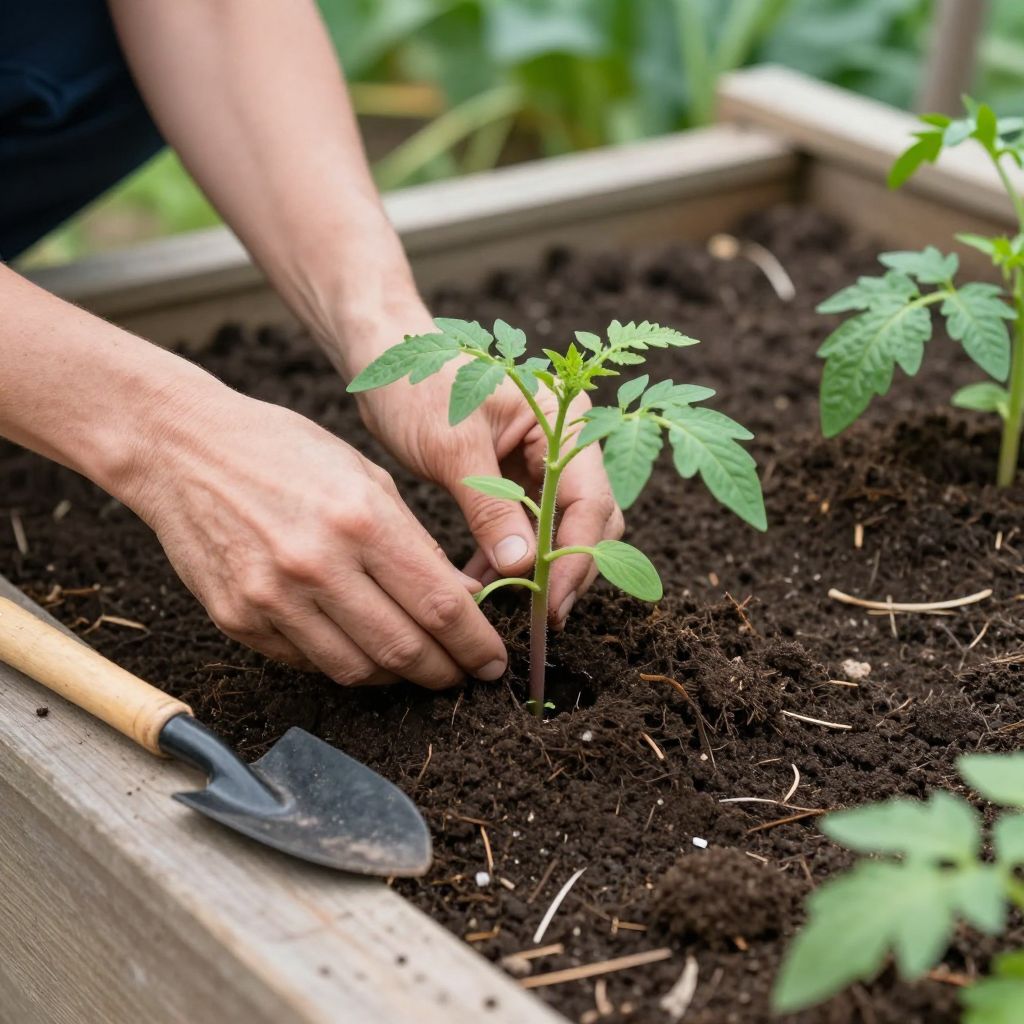
What does soil level mean when you see it on a plant label, in a planting guide, or on a landscape plan? In gardening, soil level usually refers to the height where the soil line should sit on the plant, pot, or bed after planting. It matters because planting too deep or too high can affect roots, stem health, drainage, and overall plant performance.
If you understand soil level, you can avoid one of the most common planting mistakes: burying the crown, trunk flare, or graft union too deeply. The right soil level helps plants establish faster, stay healthier, and handle water more effectively.
What does soil level mean in gardening?
Soil level is the final height of the soil surface relative to a plant’s stem, crown, roots, or container rim. In practice, it tells you how deep to plant. For most plants, the top of the root ball should sit level with or slightly above the surrounding soil, unless the plant’s instructions say otherwise.
Where you’ll see soil level used
Gardeners, landscapers, and nursery staff use the term in a few different ways, so context matters. It may refer to the finished grade in a bed, the soil line in a pot, or the proper planting depth for a tree, shrub, perennial, or vegetable.
Common places the term appears
- Plant labels — often describing how deep to set the root ball or crown.
- Tree planting instructions — usually referring to the trunk flare sitting at or just above soil level.
- Container gardening — the soil surface should usually sit below the pot rim to allow watering space.
- Landscape plans — “soil level” may mean the finished grade after soil is added or adjusted.
How to identify the correct soil level for a plant
The correct soil level depends on the plant type, but the goal is always the same: keep the plant’s vulnerable tissue where it can breathe and drain properly. Before planting, look for the crown, root flare, or graft union so you know what should be above the soil line.
Key points to look for
- Crown: the point where stems meet roots in many perennials and vegetables.
- Root flare: the widening base of a tree trunk where roots begin to spread.
- Graft union: the swollen join between rootstock and top growth on grafted trees and shrubs.
- Potting media line: the visible soil surface in a container, which should not be packed too high against stems.
Why soil level matters
Planting at the wrong depth can create problems that are hard to fix later. Too deep can suffocate roots, trap moisture against stems, and encourage rot. Too shallow can expose roots, dry out the plant quickly, and leave it unstable in wind or rain.
Problems caused by planting too deep
- Stem or crown rot
- Poor oxygen flow to roots
- Slow establishment
- Increased disease risk
- Girdling roots on trees and shrubs
Problems caused by planting too high
- Roots drying out
- Plants leaning or becoming loose
- Uneven watering
- Exposed root ball in hot, windy weather
How to set soil level correctly when planting
Use the plant itself as your guide, not just the hole depth. Dig wide enough for root spread, then adjust the soil beneath the root ball until the plant sits at the proper height. In most cases, the top of the root ball should be level with the surrounding soil or slightly above it.
- Remove the plant from its container and inspect the roots.
- Find the crown, root flare, or graft union before placing it in the hole.
- Set the plant so the correct point sits at the right height above the soil line.
- Backfill gently with native soil or a suitable planting mix, depending on the plant and site.
- Water to settle the soil, then check again for sinking or exposed roots.
- Add mulch, but keep it away from stems and trunks.
Simple rule of thumb
For many shrubs, perennials, and vegetables, aim for the root ball to sit flush with the surrounding soil. For trees, the root flare should be visible at the surface, not buried under a mound of soil or mulch.
Soil level for trees, shrubs, and perennials
Different plants tolerate depth differently, but most landscape plants do best when their natural base is not buried. Trees are especially sensitive to being planted too deeply, while many perennials prefer the crown at or near the soil surface.
Trees
When planting a tree, locate the root flare first. The flare should be visible above the finished soil level, because burying it can lead to long-term stress and poor anchorage.
Shrubs
Shrubs are often planted too deep because their nursery potting soil can hide the true base of the plant. Check the stem base carefully and avoid piling soil against the stems.
Perennials
Many perennials need the crown just at the soil surface or only slightly covered. If the crown is buried too deeply, it may rot, especially in heavy or wet soil.
Soil level in vegetable beds
In vegetable gardening, soil level affects drainage, warmth, and root growth. Raised beds and in-ground beds should be filled to a level that leaves room for watering and mulching, while still allowing the soil to settle naturally over time.
Good practices for vegetables
- Keep the bed surface even so water spreads uniformly.
- Do not bury stems deeper than the crop prefers.
- Top up beds with compost as soil settles, but avoid creating a thick layer that smothers small plants.
- Watch for crusting, compaction, or low spots that hold water.
Some vegetable crops, such as tomatoes, can form roots along buried stems, while others should not be planted deeply. Always follow crop-specific guidance rather than assuming every plant wants the same soil level.
Soil level in containers and pots
In pots, soil level means the height of the potting mix inside the container. A good container setup leaves a little space below the rim so water can soak in without spilling over immediately.
Container planting tips
- Leave about 1 to 2 inches of space below the rim for small pots.
- Leave more space in larger containers so watering is easier.
- Do not bury stems in extra potting mix unless the plant specifically benefits from it.
- Make sure drainage holes stay open and unobstructed.
Container soil level also changes over time as potting mix settles. If the surface sinks too far, top up with fresh mix only if it will not bury the plant’s crown or stem base.
How mulch affects soil level
Mulch is not the same as soil, but it changes the effective soil level around a plant. A mulch ring helps conserve moisture and reduce weeds, yet too much mulch against stems or trunks can trap moisture and invite rot or pests.
Mulch best practices
- Apply mulch in a broad ring, not a mound.
- Keep mulch a few inches away from trunks and stems.
- Use a moderate layer rather than burying the base of the plant.
- Refresh mulch as needed, but do not keep raising the level year after year.
How to fix the wrong soil level
If you notice a plant sitting too deep or too high, correct it sooner rather than later. Small adjustments are easier on the plant than waiting until root problems or rot appear.
If the plant is too deep
- Gently pull soil away from the stem or trunk base.
- Expose the crown, root flare, or graft union as needed.
- Remove excess mulch from the base.
- If the plant was severely buried, consider lifting and replanting it at the proper height.
If the plant is too high
- Add soil under the root ball if the plant is newly planted.
- Water thoroughly to settle the soil around roots.
- Mulch lightly to reduce drying.
- For established plants, gently mound soil only if the species tolerates it; otherwise, replant at the correct depth.
Common mistakes to avoid
Most soil level problems come from trying to make the plant “look neat” instead of matching its natural structure. The base of the plant should guide the depth, not the surrounding soil surface alone.
- Burying the trunk flare on trees.
- Covering the crown of perennials with extra soil.
- Adding too much mulch around stems.
- Planting in a hole that is too deep and narrow.
- Ignoring settling after watering or rain.
- Assuming all plants want the same planting depth.
How climate and soil type affect soil level
Your local conditions matter. In heavy clay soil, planting slightly high can improve drainage and reduce rot risk. In sandy or fast-draining soil, plants may need a more careful mulch layer and closer watering attention because the soil surface dries faster.
Adapt your approach
- In wet climates, prioritize drainage and avoid low planting spots.
- In hot, dry climates, protect exposed roots from drying out after planting.
- In compacted soil, loosen the surrounding area so water can move through it.
- In raised beds, monitor settling after rain and compost decomposition.
Practical tools that help you get soil level right
You do not need specialized equipment, but a few simple tools make planting more accurate. A small trowel, hand rake, measuring ruler, and garden hose or string line can help you check height and grade as you work.
- Trowel for adjusting soil under the root ball.
- Ruler or tape measure for checking depth.
- Gloves for clearing soil from the stem base.
- Level line or straight board for checking bed grade.
Conclusion
Soil level means the final planting height of the soil relative to the plant’s roots, crown, trunk, or pot. If you remember one thing, remember this: match the plant’s natural base to the correct soil line, and avoid burying stems, crowns, or trunk flares.
Before your next planting job, take a minute to locate the root flare or crown, check the finished grade, and adjust the soil before backfilling. If you want to keep learning, related guides on planting depth and mulch use can help you avoid common garden mistakes.