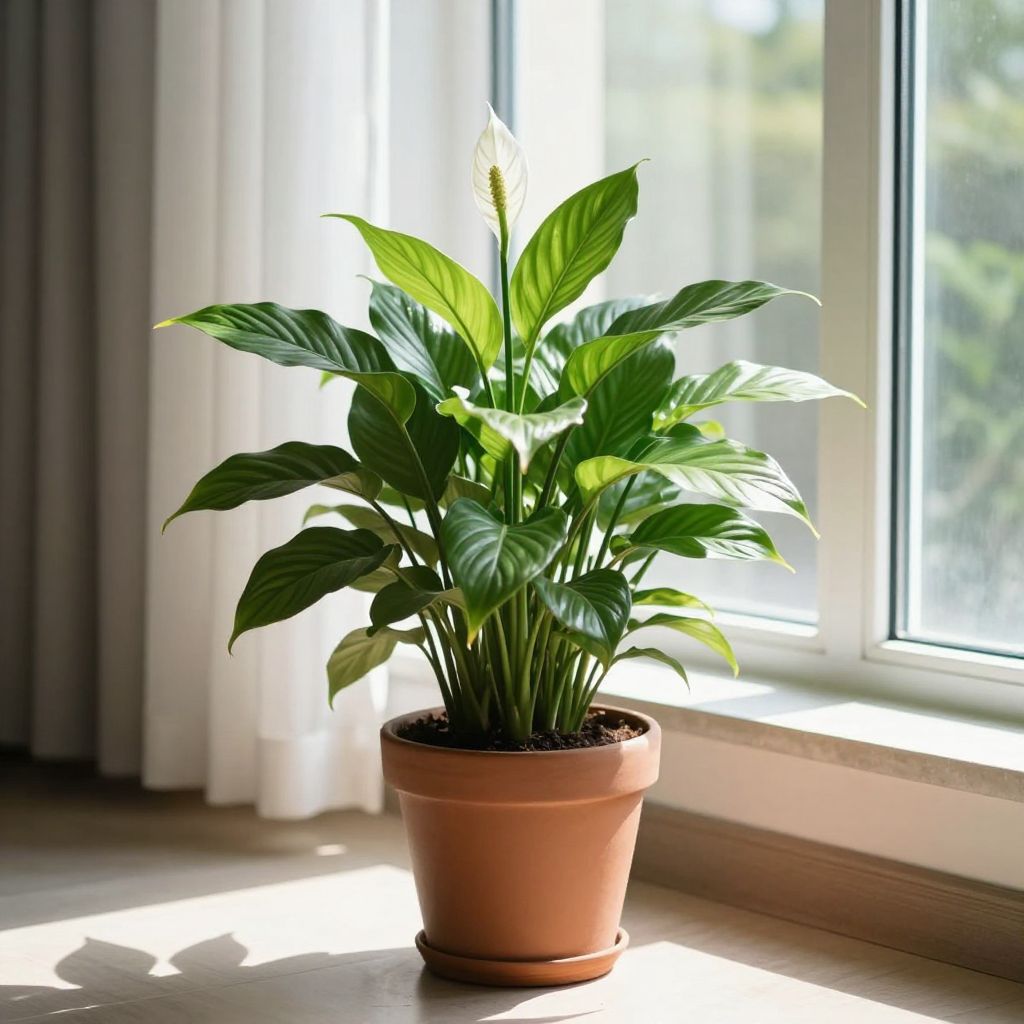
What does indirect sunlight mean for your plants? It usually means bright light that reaches a plant without the sun’s rays hitting the leaves directly. In practice, that can be light filtered through a curtain, reflected off a wall, or coming from a bright room away from a window.
Understanding this difference matters because many houseplants, seedlings, and shade-loving garden plants do better in indirect light than in harsh direct sun. If you know how to identify it, you can place plants more accurately, reduce leaf scorch, and improve growth without guessing.
What does indirect sunlight mean?
Indirect sunlight is bright light that does not strike a plant in a straight line from the sun. The light may be diffused by glass, curtains, trees, or surrounding structures. For gardening, it usually means a bright spot with no hot sunbeams landing on the foliage for long periods.
How to identify indirect sunlight in your home or garden
Light conditions vary by season, window direction, weather, and nearby shade. The easiest way to judge indirect sunlight is to watch the plant’s location at different times of day, especially morning, midday, and late afternoon.
Simple ways to check the light
- Look for shadows: In indirect light, shadows are soft, faint, or broken up.
- Check for direct sun patches: If a beam of sun lands on the leaves, that spot is receiving direct sunlight.
- Use your hand test: Hold your hand where the plant sits. If the light feels bright but not hot, it may be indirect.
- Observe leaf response: Scorching, bleaching, or curling can mean the light is too intense.
Common indoor light situations
- Bright indirect light: Near an east-facing window, or a few feet back from a south- or west-facing window with a sheer curtain.
- Medium indirect light: A bright room away from the window, or a spot with reflected light from pale walls.
- Low indirect light: Farther from windows, where the space is bright enough to read comfortably but not sunlit.
Indirect light vs direct sun: what’s the difference?
Direct sun hits the plant without obstruction, while indirect light is filtered or reflected. That difference affects temperature, evaporation, and leaf stress. A plant that likes indirect light may still need a very bright room, but not the intensity of direct midday sun.
Why the distinction matters
- Direct sun can dry soil faster and scorch tender leaves.
- Indirect light is gentler and often better for tropical houseplants and many seedlings.
- Low light is not the same as indirect light; a dim corner may be too dark for healthy growth.
Which plants usually prefer indirect sunlight?
Many popular houseplants come from forest understories or filtered-light habitats, so they naturally prefer bright indirect light. Outdoors, some shade plants also do best with dappled or filtered sun rather than full exposure.
Common houseplants that often like indirect light
- Pothos (Epipremnum aureum)
- Snake plant (Dracaena trifasciata)
- Peace lily (Spathiphyllum spp.)
- Philodendron (Philodendron spp.)
- Spider plant (Chlorophytum comosum)
- Prayer plant types (Maranta, Calathea, and related genera)
Outdoor plants that may need filtered light
- Many ferns
- Hostas
- Some woodland perennials
- Newly transplanted seedlings and young starts
Always check the specific plant’s needs, because “indirect light” is not a one-size-fits-all label. Some plants want very bright indirect light, while others tolerate lower light but grow more slowly.
How to give plants the right amount of indirect sunlight
The goal is to match the plant’s natural preference with your available space. You can often adjust light easily by moving the plant, adding a curtain, using shade cloth outdoors, or rotating the pot so growth stays even.
Indoor placement tips
- Start near a bright window, but not in the direct sunbeam.
- Use a sheer curtain to soften harsh light from south- or west-facing windows.
- Move the plant a little farther from the window if leaves look bleached or crispy.
- Move it closer if stems stretch, leaves get smaller, or growth becomes sparse.
- Rotate the pot every week or two so the plant grows evenly toward the light.
Outdoor placement tips
- Choose a site with morning sun and afternoon shade if the plant dislikes heat.
- Use taller plants, lattice, pergolas, or trees to create dappled shade.
- Watch for reflected heat from walls, patios, or pavement, which can increase stress.
- Protect tender plants from sudden exposure when moving them outside.
Signs your plant is getting too much or too little light
Plants often tell you when the light is wrong. The trick is to read the symptoms alongside watering and soil conditions, because poor drainage or drought can look similar to light stress.
Too much light
- Bleached, pale, or washed-out leaves
- Brown crispy patches, especially on the side facing the window
- Leaf curling or drooping during the brightest part of the day
- Soil drying very quickly
Too little light
- Leggy growth with long spaces between leaves
- Small, thin, or weak new leaves
- Slow growth during the active season
- Loss of leaf color or reduced flowering in some plants
What to do next
- If the plant is scorched, move it farther from the window or filter the light.
- If it is stretching, move it closer to brighter indirect light.
- If it looks unhealthy and the soil stays wet, check drainage and root health too.
Watering, soil, and drainage in indirect light
Light affects how quickly soil dries, so indirect sunlight often means slower evaporation than direct sun. That does not automatically mean you should water less on a schedule; it means you should check the soil before watering and adjust to the plant’s actual needs.
Practical watering advice
- Water when the top layer of soil begins to dry, if that matches the plant’s needs.
- Use pots with drainage holes so excess water can escape.
- Empty saucers after watering unless the plant specifically prefers consistent moisture.
- In cooler, lower-light conditions, soil may stay wet longer, so overwatering is more likely.
Soil matters too
Most indoor plants in indirect light prefer a potting mix that drains well but still holds some moisture. A heavy, compacted mix can stay soggy too long and encourage root problems.
- Add perlite, bark, or coco-based materials if your mix stays wet for too long.
- Use fresh, well-aerated potting mix when repotting.
- For outdoor shade beds, improve soil with compost to support structure and moisture balance.
Common mistakes when interpreting indirect sunlight
Many plant problems come from assuming any bright room counts as enough light. Another common mistake is placing a plant in indirect light but forgetting that seasonal changes can shift the light pattern dramatically.
Mistakes to avoid
- Confusing bright shade with low light: A plant may survive but not thrive in a dim corner.
- Ignoring seasonal shifts: Winter sun angles can move direct light deeper into a room.
- Overwatering because the plant is indoors: Less sun often means slower drying, not a fixed watering rule.
- Assuming all shade is the same: Dappled shade, bright shade, and deep shade are very different.
How to troubleshoot a plant in indirect light
If your plant looks unhappy, check the full growing environment rather than changing only one thing. Light, water, pot size, humidity, and root health all interact.
Step-by-step troubleshooting
- Confirm whether the plant is getting direct sun at any time of day.
- Check the soil with your finger or a moisture meter if you use one.
- Inspect leaves for pests such as spider mites, aphids, or mealybugs.
- Look at drainage: is water pooling in the saucer or pot?
- Move the plant gradually if the light level needs adjustment.
When pests or disease are involved
Weak light can slow growth and make plants more vulnerable, but pests and disease still need direct treatment. Remove damaged leaves, isolate affected houseplants if needed, and improve airflow around crowded containers or beds.
- Wipe dusty leaves so they can capture light more efficiently.
- Prune dead or yellowing growth to improve air movement.
- Do not let water sit on foliage for long periods if fungal issues are a concern.
Does indirect sunlight change by season?
Yes. Sun angle, day length, and room brightness all change through the year. A window that gives gentle indirect light in winter may deliver stronger, more direct rays in summer.
That is why it helps to reassess plant placement every few months. If you notice seasonal leaf scorch, stretching, or slower growth, the light may have changed even if the plant has not moved.
A simple rule of thumb for gardeners
If you can stand in the spot and feel bright light without hot sunbeams on your skin, the plant is probably in indirect light. For many indoor plants, the best spot is bright, airy, and close enough to a window to support healthy growth without harsh exposure.
Use the plant’s leaves as your guide: healthy color, steady new growth, and even shape usually mean the light is right. If you want to keep learning, a good next step is to read about how to tell if a plant needs more light and choosing the right potting mix for indoor plants.