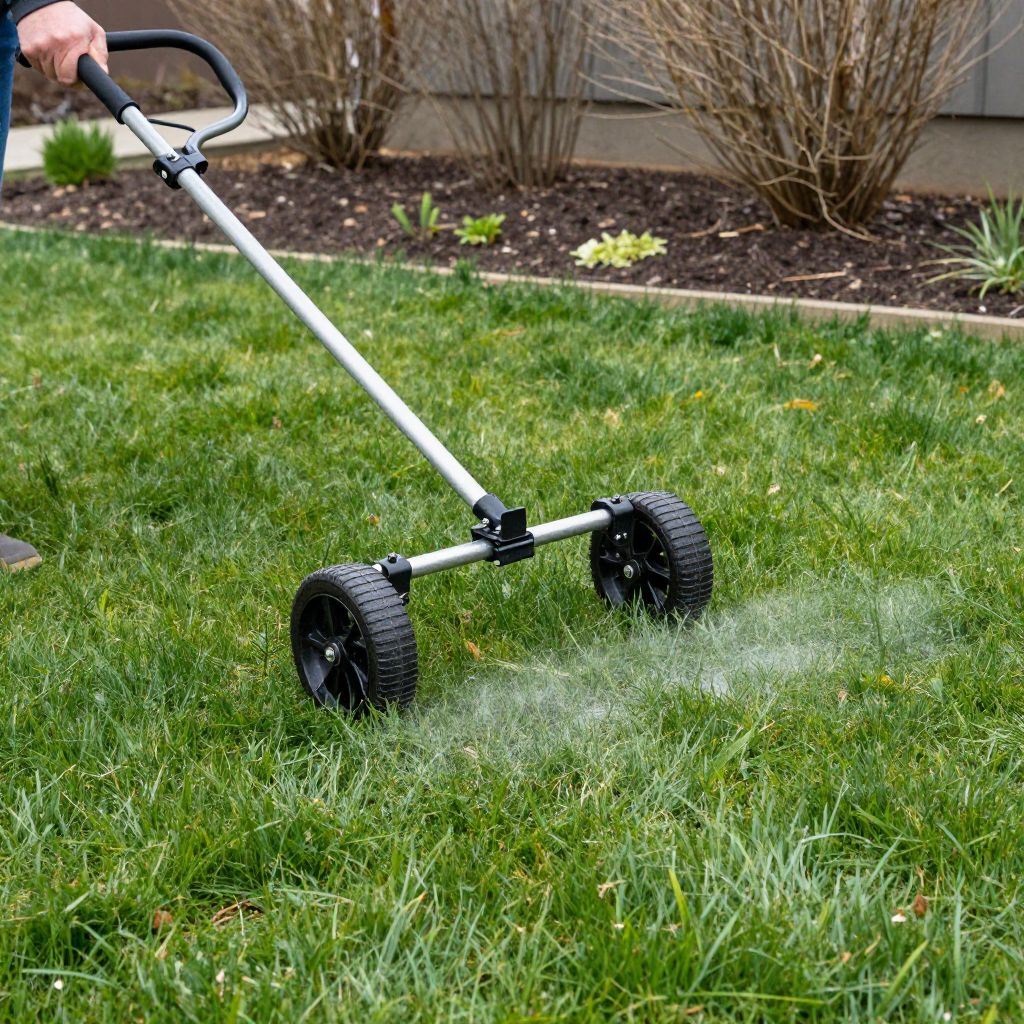
Wondering when to apply weed and feed so it actually works instead of wasting product or stressing your lawn? Timing matters because these products combine herbicide and fertilizer, and both parts perform best when grass is actively growing and weeds are in a vulnerable stage.
The right window depends on your grass type, local climate, and the weeds you’re targeting. A good application at the wrong time can reduce control, burn turf, or miss the weeds entirely, so it helps to match the product to the season and your lawn’s condition.
When to apply weed and feed?
Apply weed and feed when your lawn is actively growing, weeds are small and actively taking up nutrients, and the grass is dry enough for the product to stick. For most lawns, that means spring for broadleaf weeds in cool-season turf and late spring to early summer for warm-season lawns, but always follow the label and local weather conditions.
How weed and feed works
Weed and feed products combine a lawn fertilizer with an herbicide, usually aimed at common broadleaf weeds such as dandelion, clover, and plantain. The fertilizer encourages grass growth, while the herbicide is absorbed by weeds through their leaves or roots, depending on the formulation.
Because of that dual action, the product works best when both the lawn and the weeds are growing well. If the lawn is dormant, drought-stressed, or recently mowed too short, results are usually weaker.
Two common types
- Granular weed and feed: Often applied with a spreader, then watered in if the label says to do so.
- Liquid weed and feed: Sprayed onto foliage and may act faster on visible weeds, but still needs the right weather and active growth.
Best seasonal timing by lawn type
Cool-season grasses
For cool-season lawns such as Kentucky bluegrass, perennial ryegrass, tall fescue, and fine fescues, the most effective weed-and-feed timing is usually spring, when growth resumes and broadleaf weeds are young. In many regions, a second opportunity may come in early fall if the product label allows it and weeds are still actively growing.
Spring applications are especially useful for controlling early broadleaf weeds before they flower and spread seed. Fall can be a strong timing window for lawns that had heavy weed pressure over summer, because many weeds are still actively moving nutrients at that time.
Warm-season grasses
For warm-season lawns such as bermudagrass, zoysiagrass, St. Augustinegrass, and centipedegrass, apply weed and feed when the grass has fully greened up and is growing steadily, typically in late spring through early summer. Avoid applying too early, when the lawn is still coming out of dormancy.
Warm-season turf can be more sensitive to certain herbicides, so the label matters even more. Some products are not safe for specific grass species, especially St. Augustinegrass and centipedegrass, so check compatibility before you buy.
Southern vs. northern timing
In cooler climates, spring and fall are usually the main windows. In hotter climates, spring applications may need to wait until the lawn is fully active but before extreme heat arrives. If your area has a long rainy season, choose a dry forecast window so the product is not washed off before it can work.
Signs your lawn is ready
Instead of using the calendar alone, look at the lawn itself. The best time to apply weed and feed is when these conditions line up:
- The grass is actively growing and has been mowed recently, but not too short.
- Weeds are young, leafy, and not drought-stressed.
- The soil is moist, but the lawn surface is dry enough for granules or spray to adhere.
- No heavy rain, irrigation, or mowing is expected immediately after application unless the label says otherwise.
If the lawn is brown from dormancy, heat, or drought, wait. Weed and feed is much less effective on stressed turf and can increase the risk of injury.
How to apply weed and feed correctly
Step-by-step application
- Read the label carefully and confirm the product is safe for your grass type.
- Mow the lawn a day or two before application if needed, but do not scalp it.
- Apply on a calm day so granules or spray stay on target.
- Use a spreader for granular products or a sprayer for liquid products, following the label directions.
- Keep people, pets, and children off the lawn for the time listed on the label.
- Water only if the label instructs you to, and only with the amount recommended.
Even distribution matters. Overlapping passes with a spreader can create dark green stripes, burned edges, or uneven weed control.
Weather to avoid
- Windy days, which can cause drift onto ornamentals, vegetables, or hardscape.
- Rainy days, which can wash product away before it works.
- Very hot weather, especially for sensitive turf.
- Drought-stressed lawns, where herbicide uptake and turf recovery are both poor.
Common mistakes to avoid
Applying at the wrong time
Many gardeners apply weed and feed too early in spring before the lawn is actively growing, or too late after weeds are mature and flowering. Mature weeds are harder to control, and dormant grass may not recover well from the added stress.
Using it on the wrong grass
Not all lawn grasses tolerate the same herbicides. A product that is fine for one turf type may damage another, so never assume a “lawn” label means universal safety.
Overfertilizing
More product does not mean better results. Too much fertilizer can push weak, fast growth and make the lawn more prone to disease, while too much herbicide can injure turf.
Expecting it to fix every weed problem
Weed and feed is best for scattered broadleaf weeds, not severe infestations. If your lawn is mostly weeds, you may need a more targeted weed-control program, reseeding, or renovation.
When not to use weed and feed
There are times when a different approach is smarter. Skip weed and feed if your lawn is newly seeded, freshly sodded, or recovering from major stress unless the label specifically says it is safe for that situation.
It is also a poor choice when you need to control crabgrass or other grassy weeds, because many weed-and-feed products are not designed for those problems. In that case, use a product made for the specific weed, or improve lawn density so weeds have less room to establish.
- New seed: Herbicides can interfere with germination or young seedlings.
- Heat stress: Turf may be too vulnerable for a combined treatment.
- Heavy weed pressure: Spot treatment or renovation may be more effective.
How to know if your lawn needs it at all
Weed and feed is not automatically necessary every season. If your lawn is dense, healthy, and only has a few weeds, spot treatment and better lawn care may be enough. Thick turf, proper mowing height, and correct watering usually reduce weed pressure more effectively over time than repeated blanket applications.
Better long-term lawn care habits
- Mow at the recommended height for your grass type.
- Water deeply but not constantly, based on weather and soil.
- Improve compacted soil with aeration if needed.
- Overseed thin areas when the season is right for your grass.
- Remove weeds before they set seed.
Troubleshooting after application
Weeds are still alive
Some weeds need more time to show damage, especially in cool weather. If the label allows a repeat application, wait the recommended interval before reapplying. Do not guess at a second dose.
The lawn looks yellow or scorched
This can happen from overapplication, heat, drought, or applying to a stressed lawn. Water only if the label recommends it, and keep the lawn evenly moist afterward if the product instructions call for that. If damage is severe, focus on recovery rather than adding more fertilizer.
Weeds keep returning
Persistent weeds usually mean the lawn is thin, the soil is compacted, or the timing was off. Address the growing conditions, not just the symptoms. A healthy lawn is the best weed prevention tool you have.
Practical seasonal checklist
- Spring: Apply when grass is actively growing and weeds are small.
- Early summer: Use only on warm-season lawns that have fully greened up, if the label permits.
- Fall: A useful window for many cool-season lawns and late broadleaf weed control.
- Winter or dormancy: Usually avoid application unless your climate and product label clearly support it.
Conclusion
The best answer to when to apply weed and feed is simple: use it only when your grass is actively growing, your weeds are young, and the weather is mild and dry enough for good uptake. Match the timing to your grass type, read the label carefully, and avoid treating stressed or dormant turf.
If you want to improve your lawn further, consider reading more about mowing height, overseeding, and soil improvement so weed and feed becomes just one part of a healthier lawn care routine.