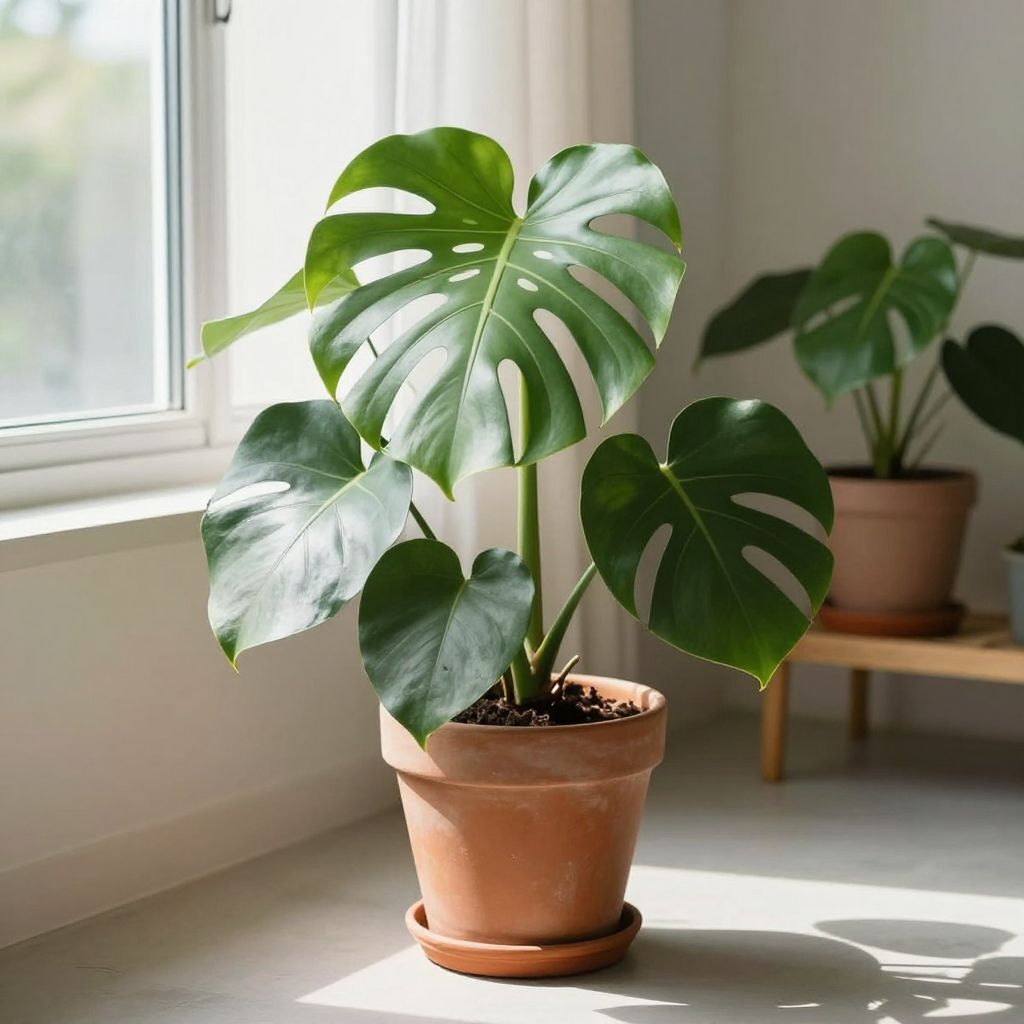
What does indirect sunlight mean when you see it on a plant tag or care label? It usually means bright light that does not fall directly on the leaves as a hot beam, but is instead filtered, reflected, or coming from nearby rather than straight through a window or from overhead sun.
For gardeners, that distinction matters because many houseplants, seedlings, and shade-loving outdoor plants do best in bright, softened light. Knowing how to identify indirect sunlight helps you place plants correctly, avoid leaf scorch, and give them the right balance of light for healthy growth.
What does indirect sunlight mean?
Indirect sunlight means a plant receives bright light without direct rays hitting it for long periods. Think of light that is filtered through a sheer curtain, bounced off a wall, or coming from a bright room rather than sitting in a sunbeam. It is usually bright enough to read by, but not harsh enough to cast strong, sharp shadows.
How to identify indirect sunlight in your home or garden
The easiest way to judge indirect light is to look at shadows and intensity. If the light is strong but softened, it is probably indirect sunlight.
Simple visual checks
- Sharp, dark shadows usually mean direct sun.
- Soft, blurry shadows suggest indirect light.
- If the plant is near a window but not in the sunbeam, it may be getting indirect light.
- If you can comfortably read or work nearby without glare, the light is often in the bright indirect range.
Window direction matters
Indoor light changes a lot depending on window orientation, season, and nearby buildings or trees. A south- or west-facing window may provide very bright indirect light if the plant is set back from the glass or filtered by a curtain. East-facing windows often give gentler morning sun, which many plants tolerate well.
- Bright indirect light: near a bright window, but out of the direct beam.
- Medium indirect light: a few feet from a bright window or in a well-lit room.
- Low light: farther from windows, where growth is slower and many light-hungry plants struggle.
Indirect sunlight vs direct sunlight
Direct sunlight hits the plant without interruption, often producing strong heat and intense light. Indirect sunlight is softened before it reaches the leaves. That difference affects how quickly soil dries, how fast plants grow, and whether leaves stay healthy or get scorched.
Why the difference matters for plant care
- Water use: plants in direct sun usually dry out faster.
- Leaf safety: tender foliage can burn in strong direct light.
- Growth rate: some plants grow faster in brighter indirect light, while others need direct sun to flower or fruit.
- Placement: the same plant may thrive in one room and decline in another because the light is different.
Which plants prefer indirect sunlight?
Many common houseplants naturally grow under tree canopies, where they receive bright but filtered light. These plants often prefer indirect sunlight indoors and can suffer if placed in hot direct rays.
Common examples
- Pothos (Epipremnum aureum)
- Snake plant (Dracaena trifasciata)
- Peace lily (Spathiphyllum spp.)
- Philodendron (Philodendron spp.)
- Spider plant (Chlorophytum comosum)
- Many ferns
- Some orchids
Outdoor shade plants also benefit from indirect or filtered light, especially in hot climates or during the hottest part of the day. In gardens, this often means dappled shade under trees, morning sun with afternoon shade, or light reflected from nearby surfaces.
How to give plants the right amount of indirect light
Once you know what indirect sunlight means, the next step is matching the plant to the spot. Start by observing the light in that location for a full day if possible, because morning, midday, and late afternoon conditions can differ a lot.
Practical placement tips indoors
- Place the plant near a bright window, but not directly in the sunbeam.
- Use a sheer curtain to soften harsh light if needed.
- Rotate the pot every one to two weeks so growth stays even.
- Watch for stretching, pale leaves, or slow growth, which can mean the light is too weak.
- Watch for bleached patches, crispy edges, or curled leaves, which can mean too much direct sun.
Practical placement tips outdoors
- Use trees, pergolas, trellises, or shade cloth to filter strong sun.
- Choose spots with morning sun and afternoon shade in hot regions.
- In cooler climates, some plants may tolerate more direct sun than they would indoors.
- Check how the light changes through the seasons, since winter sun is lower and summer sun is more intense.
Common mistakes gardeners make with indirect sunlight
Many plant problems blamed on watering are actually light problems. If a plant is in the wrong light, watering and fertilizing often won’t fix it.
Frequent errors to avoid
- Assuming “near a window” always means indirect light. A pot can still sit in direct sun for several hours.
- Ignoring seasonal changes. A spot that is gentle in winter may become hot and intense in summer.
- Placing shade plants too far from windows. Some need bright indirect light, not dim corners.
- Moving plants too quickly. Sudden shifts from low light to strong sun can shock foliage.
- Overwatering slow-growing plants. In lower light, soil dries more slowly, so roots can rot if you water on autopilot.
How to troubleshoot light-related plant problems
If a plant looks unhappy, check the light before changing everything else. Leaves often tell you whether the plant is getting too much or too little light.
Signs of too much direct sun
- Bleached or faded patches
- Brown, crispy leaf edges
- Wilting even when soil is moist
- Leaves curling or looking scorched
Signs of too little light
- Long, weak stems
- Smaller new leaves
- Pale color or loss of variegation
- Slow growth
- Soil staying wet too long because the plant is using less water
If you suspect the light is wrong, move the plant gradually. Shift it a little closer to brighter light over several days rather than changing its position all at once, especially if it has been growing in low light for a long time.
Watering and soil when plants grow in indirect sunlight
Light affects how quickly a plant uses water, so indirect sunlight changes your watering routine. Plants in bright indirect light usually need less frequent watering than those in hot direct sun, but more than plants in very dim corners.
What to adjust
- Check soil moisture with your finger rather than following a fixed schedule.
- Use a well-draining potting mix for most indoor plants.
- Make sure containers have drainage holes.
- Do not let saucers hold water for long periods.
For outdoor plants in filtered light, soil texture matters too. Rich but well-drained soil helps roots access moisture without staying soggy, especially under trees where root competition can be strong. Adding compost can improve structure, but avoid overbuilding a heavy, wet bed if drainage is already poor.
Can indirect sunlight be enough for growth, flowering, or fruiting?
It depends on the plant. Many foliage plants thrive in indirect sunlight, but fruiting and flowering plants often need stronger light, and sometimes several hours of direct sun, to perform well. If a plant is labeled for bright indirect light, that is usually a foliage or shade-tolerant species rather than a sun-loving crop.
For outdoor vegetables, herbs, and fruiting plants, indirect light alone is often not enough. Tomatoes, peppers, cucumbers, and many herbs generally need much more direct sun than a typical houseplant. If you are growing edibles, read the plant’s light needs carefully before assuming filtered light will be sufficient.
Seasonal changes that affect indirect sunlight
Light is not static. The same location can shift from ideal to too intense or too dim as the seasons change.
- Spring and summer: sun is stronger, days are longer, and window spots may become hotter.
- Fall and winter: light angles change, indoor spaces may become dimmer, and plants may need to move closer to windows.
- Cloudy weather: outdoor filtered light becomes softer, which can help sensitive plants.
If your plant seems fine for part of the year and struggles at another time, recheck the location before changing fertilizer or repotting. A small move can make a big difference.
Quick checklist for choosing the right spot
Use this simple test when you are unsure whether a place offers indirect sunlight:
- Is the light bright but not harsh?
- Are shadows soft rather than sharp?
- Is the plant out of the direct sunbeam for most of the day?
- Does the spot stay bright across the day, not just for one hour?
- Does the plant’s natural habit match the light level you can provide?
If you can answer yes to most of these, you likely have a good indirect light location. If not, adjust the plant’s position, add a curtain, or choose a different plant better suited to the light you have.
Final takeaway
What does indirect sunlight mean? It means bright, softened light that reaches a plant without strong direct rays for long periods. The best next step is to observe your space at different times of day and place each plant where the light matches its needs. For more help matching plants to home conditions, you may also want to read about houseplant care basics and how to choose the right potting mix.