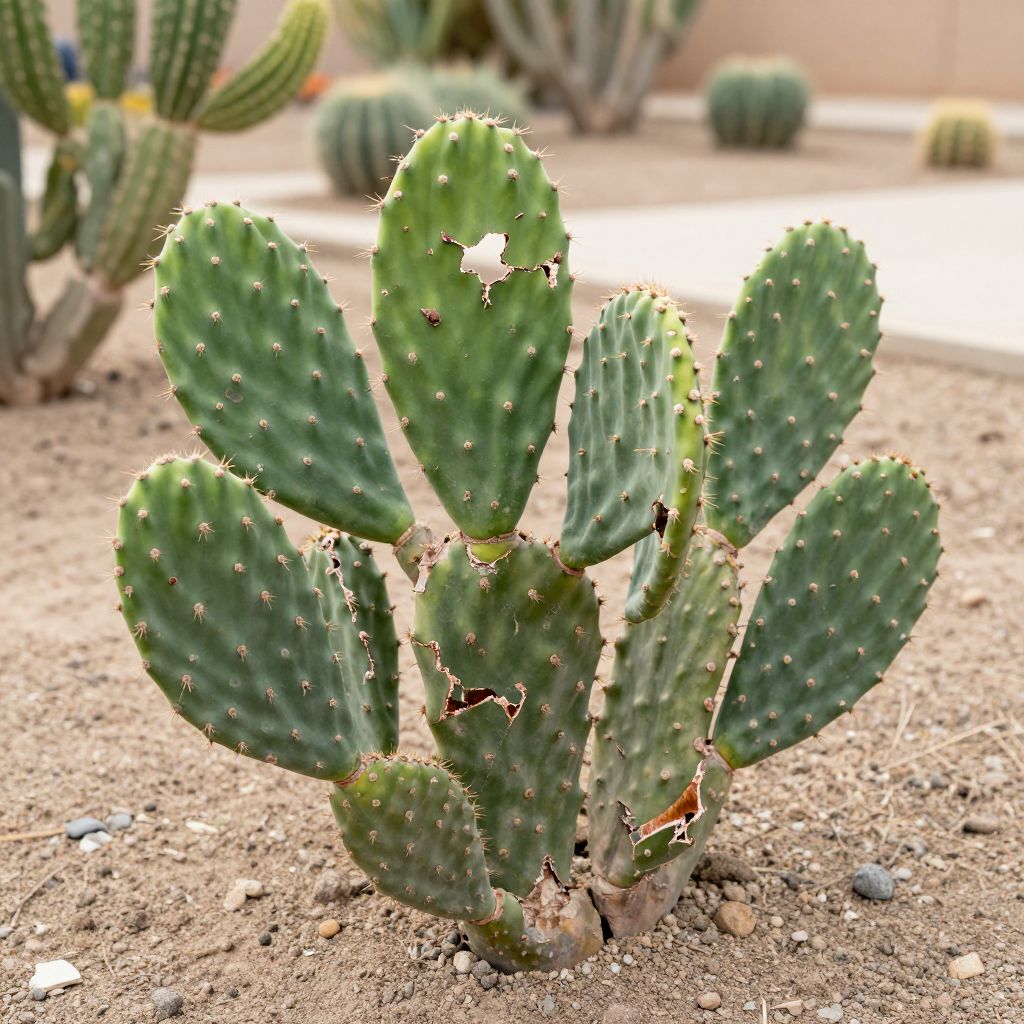
What eats cactus? If your cactus is getting nibbled, scraped, or hollowed out, the culprit is usually a hungry animal or a pest rather than the plant “failing” on its own. The most common cactus eaters include rabbits, rodents, deer, birds, insects, and, in some regions, larger wildlife.
The right fix depends on whether the damage is happening outdoors or indoors, and whether you’re seeing chew marks, sap-sucking injury, or rot after wounds. Once you identify the pattern, you can protect the plant and stop the problem from spreading.
What eats cactus?
Cactus can be eaten by rabbits, ground squirrels, rats, mice, deer, javelinas, birds, and insects such as scale, mealybugs, and cactus moth larvae. In many cases, the “eating” is actually chewing on tender pads, fruit, or new growth, while some pests pierce the skin and weaken the plant rather than taking obvious bites.
Which animals are most likely to eat cactus?
Outdoor wildlife
- Rabbits may gnaw young pads, stems, or seedlings when other food is scarce.
- Rodents such as mice, rats, and ground squirrels can chew roots, stems, and the base of the plant.
- Deer may browse softer cactus species, especially if the plant is young or not heavily spined.
- Javelinas and other larger mammals can trample or bite cacti in arid regions.
- Birds sometimes peck fruit or soft tissue, especially when moisture is limited.
Insects and mites
- Scale insects attach to pads and stems and suck sap.
- Mealybugs collect in crevices and weaken the plant over time.
- Cactus moth larvae can tunnel into pads or stems, causing soft, collapsing tissue.
- Spider mites may not “eat” cactus in the usual sense, but they damage tissue and leave stippling or bronzing.
How do you tell what is eating your cactus?
Start with the damage pattern. Fresh, clean bite marks usually point to animals, while tiny punctures, sticky residue, or cottony clusters usually point to insects. Soft, discolored areas may be the result of wounds that later rotted, so it helps to inspect the plant closely before treating it.
Damage clues to look for
- Jagged bites or missing chunks: likely rabbits, rodents, deer, or larger wildlife.
- Chewed base or roots: often rodents.
- Small holes or tunneling: possible larvae or borers.
- Sticky residue, black mold, or ants: often sap-sucking insects such as scale or mealybugs.
- Silvery stippling or fine webbing: possible spider mites.
- Soft, mushy tissue after injury: secondary rot from moisture entering a wound.
Check the plant at the right time
Inspect at dusk, dawn, or early morning if you suspect animals. For insects, check the undersides of pads, crevices, and the crown with a bright flashlight. If the cactus is indoors, inspect nearby windowsills, pot rims, and the soil surface for pests.
How do you protect cactus from animals?
The best protection is physical exclusion. Cactus spines help, but they do not stop determined animals, especially when plants are small, newly planted, or producing tender growth. Use barriers, habitat cleanup, and targeted deterrents rather than relying on repellents alone.
Practical protection methods
- Install fencing around vulnerable plants or beds. Use hardware cloth or sturdy wire mesh with openings small enough to keep out rabbits and rodents.
- Use individual cages for young cactus, especially in the first season after planting.
- Raise containers off the ground if rodents are chewing potted plants.
- Clear hiding places such as dense weeds, brush, stacked pots, and debris where rodents shelter.
- Protect fruiting cactus with netting if birds are pecking fruit.
- Move potted cactus away from edges, walls, or overhanging branches that give animals access.
What about repellents?
Repellents can help for short periods, but they wear off with rain, irrigation, and new growth. If you use one, reapply according to the label and treat it as backup, not your only defense. In many gardens, a physical barrier works better and lasts longer.
How do you manage insect pests on cactus?
For insects, the goal is early detection and gentle control. Cactus often grows in dry conditions, so avoid heavy, frequent spraying that keeps the plant wet and encourages rot. Instead, remove pests directly and improve airflow and sanitation.
Step-by-step pest control
- Isolate the plant if it is potted and you suspect an infestation.
- Remove visible pests with a cotton swab dipped in rubbing alcohol for small mealybug or scale colonies.
- Prune badly infested sections with clean, sharp tools if the damage is localized.
- Wash off dust and debris with a gentle stream of water only if the species tolerates it and the weather is warm and dry enough for fast drying.
- Monitor weekly for new clusters, especially in crevices and at the base.
When to use sprays
If an infestation is spreading, a labeled horticultural oil or insecticidal soap may help, but test a small area first. Some cacti are sensitive, especially in hot sun or during drought stress. Never spray in full afternoon heat, and always follow the product label.
What should you do if a cactus has been chewed?
Minor chewing is not always fatal. Cactus can often recover if the wound stays dry and the plant is otherwise healthy. The main risk is rot, so your first job is to dry, clean, and protect the damaged area rather than overwatering it.
Immediate repair steps
- Remove loose, damaged tissue with a sterile knife or pruners if the wound is ragged.
- Let the wound dry in open air before watering again.
- Keep moisture off the injury and avoid overhead watering.
- Watch for softening or darkening over the next several days.
- Discard badly rotted sections before the problem spreads.
Should you seal cactus wounds?
In most home-garden situations, it is better to let the wound dry naturally than to coat it heavily. A thick seal can trap moisture. Clean cuts, dry air, and careful watering usually do more good than wound dressings.
How can you keep cactus healthy enough to resist damage?
Healthy cactus are less attractive to pests and recover faster from injury. The most important cultural factors are strong light, fast drainage, and careful watering. Stress from shade, soggy soil, or poor airflow makes the plant easier for pests and rot to attack.
Growing conditions that reduce problems
- Light: Most cactus need bright light and several hours of sun, though very hot climates may call for some afternoon protection.
- Soil: Use a gritty, fast-draining mix rather than heavy garden soil.
- Containers: Choose pots with drainage holes.
- Watering: Water thoroughly, then let the mix dry appropriately for the species and season before watering again.
- Airflow: Good circulation helps tissue dry quickly after rain or cleaning.
Common mistakes to avoid
- Overwatering after a chew wound.
- Keeping cactus in dense shade where growth becomes weak and soft.
- Using rich, moisture-holding soil that stays wet too long.
- Leaving fallen fruit, pads, or debris near the plant, which can attract pests and rodents.
- Ignoring small infestations until the cactus is heavily damaged.
Indoor cactus: what eats it inside the house?
Indoor cactus are less likely to be eaten by animals, but they can still be damaged by mealybugs, scale, spider mites, and occasionally curious pets. Cats and dogs may chew or knock over pots, and that physical damage can be mistaken for pest injury.
Indoor prevention tips
- Keep new plants separate for a few weeks before placing them near others.
- Inspect leaf axils, joints, and pot rims for cottony pests.
- Place pots where pets cannot reach them.
- Use clean pots and fresh mix when repotting.
- Give the plant enough light so it does not become weak and stretched.
Can you propagate a damaged cactus?
Sometimes, yes. If the top or a healthy pad is still firm and uninjured, you may be able to save part of the plant by propagation. This is especially useful for pad-forming cactus and some columnar types, but only healthy tissue should be used.
Propagation basics after damage
- Cut away all soft, discolored, or rotting tissue.
- Let the cutting dry and callus before planting.
- Place it in a dry, well-draining mix.
- Delay watering until roots begin to form, unless the species needs a different approach.
If you are unsure whether the remaining tissue is healthy, wait. A rushed cutting from a rotting cactus often fails because the decay is already inside the stem.
When is the damage serious enough to replace the plant?
If the base is soft, rot is spreading, or most of the plant has been hollowed out, replacement may be the better choice. A cactus with a small amount of surface damage can often recover, but a plant with collapsing tissue or widespread infestation may not rebound well.
Take action now by inspecting your cactus closely, identifying whether the damage is from animals or insects, and setting up a barrier or treatment before the problem worsens. For more on keeping desert plants healthy, you may also want to read about how to grow cactus in containers and common cactus pests and diseases.