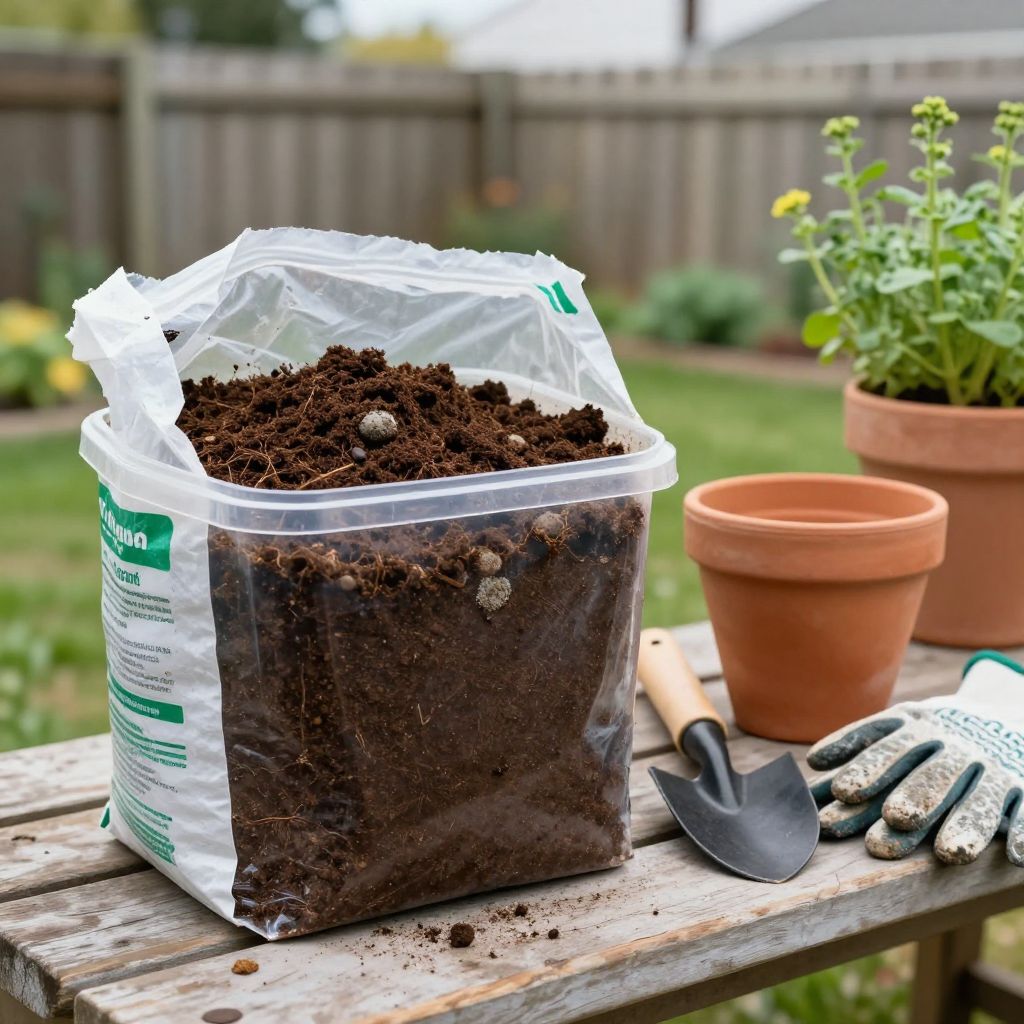
Does potting soil go bad? Yes, it can lose quality over time, especially if it’s stored poorly or left open to moisture and pests. Old potting mix may still be usable, but it can become compacted, stale, moldy, or less able to hold water and nutrients well.
The good news is that you can usually tell whether it’s still worth using with a quick inspection and a simple test. With a few storage and refresh tips, you can save money and keep your containers, seedlings, and houseplants growing well.
Does potting soil go bad?
Potting soil does not “spoil” like food, but it can degrade in storage. Over time, organic ingredients break down, the mix can dry out or stay too wet, and pests or mold may move in. If it smells sour, looks crusty, or drains poorly, it may need refreshing or replacing.
How long does potting soil last?
Most unopened potting mix stays usable for a long time if it’s kept dry and sealed. Once opened, its quality depends on storage conditions. A bag left in a hot garage, wet shed, or open corner can decline much faster than one stored indoors in a cool, dry place.
What affects shelf life
- Moisture exposure: Wet soil can grow mold, fungus gnats, or algae.
- Temperature swings: Heat and freezing can damage structure and packaging.
- Air exposure: Open bags dry out, compact, and lose consistency.
- Time: Organic components slowly break down, changing texture and drainage.
- Contamination: Dirty tools, old roots, or pests can introduce problems.
If you’re using a potting mix for seedlings, herbs, or houseplants, freshness matters more than it does for filling large decorative containers. Young roots need a light, airy medium that drains well and supports even moisture.
How to tell if potting soil has gone bad
Before you plant, inspect the mix closely. A bag that looks old is not automatically useless, but several warning signs mean you should be cautious or replace it.
Signs the soil may still be okay
- It smells earthy, not sour or rotten.
- The texture is loose and crumbly.
- It rehydrates normally after watering.
- There are no visible pests, fungi, or slime.
Warning signs of bad potting soil
- Musty, sour, or rotten smell
- White fuzzy growth, mold, or mushrooms
- Hard clumps that won’t break apart
- Excessive dust or a very dry, hydrophobic mix
- Water pooling on top or running straight through
- Gnats, larvae, ants, or other pests
- Visible root pieces, debris, or contamination
A little white fuzz on stored organic material is not always a disaster, but if the mix smells bad or stays soggy, it’s safer not to use it for seedlings or indoor plants. For established outdoor containers, you may be able to refresh it first.
Can you use old potting soil?
Often, yes. Old potting soil can be reused if it’s clean, loose, and free of pests or disease. It works best for established outdoor containers, raised beds, or non-sensitive plantings after you refresh the structure and nutrients. Avoid reusing questionable mix for seedlings or plants prone to root problems.
Best uses for older mix
- Filling large outdoor containers
- Top-dressing ornamental pots
- Mixing into garden beds as a soil amendment, if it’s healthy and pest-free
- Starting tough annuals in outdoor planters after refreshing
When to throw it out
- It has a strong foul odor
- You see fungus gnat infestations or other pests
- It came from diseased plants and may be contaminated
- It is heavily compacted and won’t rehydrate well
- It contains unknown debris, trash, or suspicious growth
How to refresh old potting soil
If the mix is mostly fine but tired, you can often bring it back into service. The goal is to restore structure, drainage, and fertility without overcomplicating the process.
- Break it apart and remove roots, sticks, dead leaves, and debris.
- Check moisture. If it’s dry and dusty, moisten it lightly before blending.
- Loosen compaction by fluffing it with your hands or a hand fork.
- Add fresh materials such as new potting mix, compost, or perlite, depending on the plant.
- Test drainage by watering a small amount and watching how quickly it absorbs and drains.
Simple refresh ratios
For general container use, many gardeners mix old potting soil with about one-third fresh potting mix. If the soil is compacted, adding perlite or coarse bark can improve aeration. For outdoor containers, a little compost can help, but don’t overdo it in pots, where too much organic matter can hold excess water.
Tip: If you’re growing succulents, cacti, or Mediterranean herbs, prioritize drainage over fertility. Those plants usually do better with a leaner, grittier mix than with rich, moisture-holding soil.
How to store potting soil so it lasts longer
Good storage makes a big difference. Potting soil lasts longer when you protect it from rain, humidity, pests, and extreme temperatures.
- Keep bags sealed or transfer soil to a lidded bin.
- Store it off the ground on a shelf or pallet.
- Choose a cool, dry place such as a garage corner or shed shelf.
- Avoid direct sun and standing water.
- Label opened bags with the date if you use several types of mix.
If you live in a humid climate, check stored soil more often. Even a small tear in a bag can let in moisture, and that’s enough to encourage mold or gnats. In cold climates, freezing and thawing can also damage the bag and change the texture.
What happens if you plant in bad potting soil?
Plants may struggle even if the problem is not obvious at first. Poor potting soil can lead to uneven watering, weak roots, slow growth, nutrient deficiencies, and root rot. Seedlings are especially vulnerable because they need a fine, airy medium and steady moisture.
Common plant problems linked to poor mix
- Wilting soon after watering
- Yellowing leaves from stressed roots
- Slow germination or seedling collapse
- Fungus gnats around indoor pots
- Mold on the soil surface
- Root rot in plants that stay too wet
If a container plant is declining, don’t assume fertilizer is the answer. First check the potting mix, drainage holes, and watering habits. A healthy root zone matters more than extra feeding when the soil itself is failing.
Potting soil vs. garden soil: why it matters
Potting soil is designed for containers. It is usually lighter and better drained than garden soil, which is too dense for most pots. Garden soil can compact in containers, limiting oxygen around the roots and causing water to sit too long.
Use the right medium for the job
- Containers and indoor plants: Use potting mix made for pots.
- Raised beds and in-ground planting: Use garden soil, compost, and amendments suited to your site.
- Seed starting: Use a fine seed-starting mix, not heavy garden soil.
Choosing the right mix reduces problems before they start. A bag labeled “potting mix” is usually a better choice for containers than anything sold as topsoil or garden soil.
Special care for indoor plants and seedlings
Indoor plants and young seedlings need cleaner, fresher potting media than many outdoor plantings. Because they live in a confined space, stale or contaminated mix can cause problems quickly.
For houseplants
- Repot if the mix smells sour or stays wet for too long.
- Use pots with drainage holes.
- Let the top layer dry according to the plant’s needs before watering again.
- Remove fallen leaves and debris from the surface to discourage mold.
For seedlings
- Use fresh, fine-textured seed-starting mix.
- Do not reuse old mix from diseased plants.
- Keep moisture even, not soggy.
- Provide good light and airflow to reduce damping-off disease.
Seedlings need consistency more than richness. If the mix is old, clumpy, or contaminated, it can interfere with germination and root development right away.
Common mistakes to avoid
- Using potting soil that smells bad just because it “looks fine.”
- Reusing contaminated mix from diseased plants.
- Storing opened bags where rain or humidity can reach them.
- Putting old, compacted mix into small indoor pots without refreshing it.
- Adding too much compost to container soil and making it overly dense.
- Ignoring poor drainage holes in the pot itself.
Quick checklist before you use old potting soil
- Open the bag and smell it.
- Look for mold, gnats, or unusual debris.
- Break up clumps and check texture.
- Moisten a small handful and see whether it absorbs water normally.
- Decide whether to reuse, refresh, or discard it based on the plant you’re growing.
Conclusion
Does potting soil go bad? Yes, but often it just needs inspection and refreshing rather than automatic replacement. Check the smell, texture, moisture behavior, and pest signs before using it, then amend or discard it as needed. If you’re unsure, test a small amount first and save the freshest mix for seedlings and indoor plants.
For more container-growing help, you may also want to read about how to choose the right potting mix for different plants and tips for keeping container plants healthy through the season.