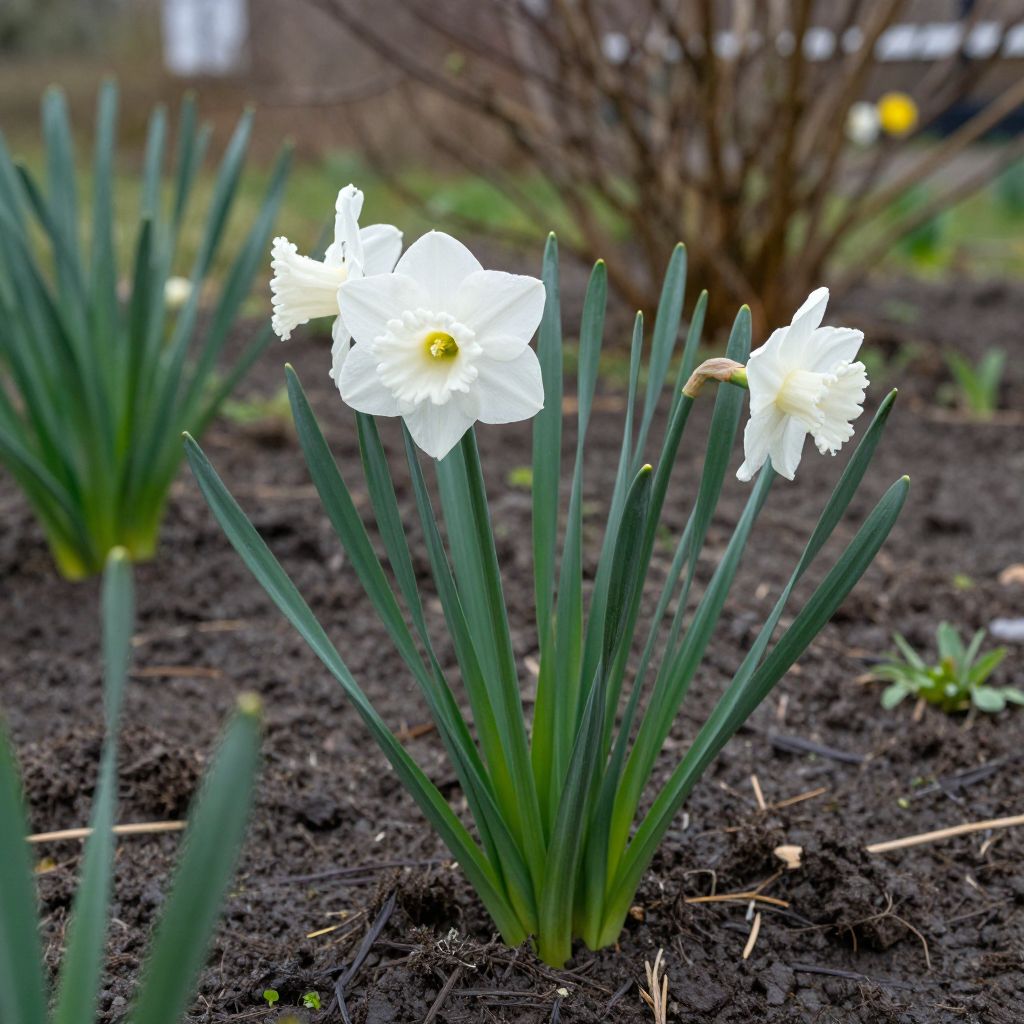
What flower represents new beginnings? If you want a bloom that symbolizes a fresh start, daffodils are one of the best choices for the garden. Their early spring flowers, reliable return, and cheerful color make them a classic sign of renewal, especially after a long winter.
Gardeners also often choose tulips, snowdrops, crocuses, lilies, and lotus flowers for the same theme. If you want the most practical plant to grow for a “new beginnings” message, daffodils are usually the easiest and most dependable for outdoor beds, borders, and naturalized plantings.
What flower represents new beginnings?
Daffodils are the most widely recognized flower for new beginnings because they bloom early, return year after year, and signal the start of spring. Tulips, snowdrops, crocuses, lilies, and lotus flowers can also represent renewal, but daffodils are the most practical choice for home gardeners who want a hardy, low-maintenance plant.
Why daffodils are the best garden symbol of renewal
Daffodils (Narcissus) are strongly associated with fresh starts because they emerge when the garden is waking up. Their flowers often appear before many other perennials, which makes them a natural symbol of hope, change, and new growth.
From a gardening standpoint, they are also useful because they are long-lived bulbs that multiply slowly over time. Once established, they can give you a dependable spring display with relatively little care.
Good reasons to choose daffodils
- Reliable bloom cycle: they return each spring when planted in the right conditions.
- Low maintenance: they usually need less fuss than many annual flowers.
- Naturalizing ability: they can spread into drifts in lawns, beds, and under trees.
- Deer and rodent resistance: bulbs are often left alone compared with many other spring flowers.
How to plant daffodils for a strong start
Plant daffodil bulbs in well-drained soil where they can get sun to partial shade. The best planting time is usually in fall, before the ground freezes, but the exact timing depends on your climate. The goal is to let roots develop before winter so the bulbs can bloom in spring.
Step-by-step planting guide
- Choose a site with good drainage. Bulbs rot easily in soggy soil.
- Loosen the soil to a depth of about 8 to 12 inches.
- Mix in compost if the soil is poor or compacted, but avoid overly rich, wet soil.
- Plant bulbs pointed end up, usually about 2 to 3 times as deep as the bulb is tall.
- Space bulbs a few inches apart so they have room to multiply.
- Water once after planting if the soil is dry, then let seasonal rainfall do the rest unless conditions are unusually dry.
If you garden in a warm climate, choose types suited to your area and give bulbs a proper cool period if needed. In colder regions, mulch can help protect the soil and moderate temperature swings.
Best soil and site conditions
- Soil: loose, fertile, and well-drained
- Sunlight: full sun to light shade
- Moisture: evenly moist in spring, drier during dormancy
- pH: daffodils tolerate a range, but neutral to slightly acidic soil is often fine
Caring for daffodils through the seasons
Daffodils are easiest to grow when you understand their seasonal rhythm. They grow, bloom, and store energy in spring, then the foliage dies back as the bulb rests. That resting period is normal and important for next year’s flowers.
Watering
Water newly planted bulbs if the soil is dry, and keep the soil lightly moist while they are actively growing in spring. After flowering, reduce watering as the foliage yellows and the plant goes dormant. Overwatering during dormancy is a common mistake and can cause bulb rot.
Fertilizing
If your soil is average to good, compost worked into the planting area is often enough. In poorer soil, a balanced bulb fertilizer can help, but avoid heavy feeding that pushes soft growth. The best time to improve nutrition is when leaves are growing and storing energy for next year.
Deadheading and foliage care
Remove spent flowers after blooming so the plant does not waste energy on seed formation. Do not cut the leaves too early. Let the foliage stay in place until it yellows naturally, because the leaves feed the bulb for future blooming.
Other flowers that can represent new beginnings
While daffodils are the most practical choice, a few other flowers also fit the theme of renewal. The best one for you depends on your climate, garden style, and whether you want bulbs, perennials, or a water plant.
Tulips
Tulips are a classic spring symbol of fresh starts. They are beautiful in beds and containers, but many varieties perform best when planted in well-drained soil and protected from excessive summer moisture.
Snowdrops
Snowdrops are among the earliest flowers to appear, sometimes blooming while winter still lingers. They are excellent for woodland edges and naturalized plantings where the soil stays moist but not waterlogged.
Crocuses
Crocuses are small, cheerful bulbs that bloom early and work well in lawns, borders, and rock gardens. They are a good choice if you want a low-growing plant that announces the start of spring.
Lilies
Lilies can symbolize renewal because they rise strongly from bulbs and produce dramatic flowers. They need good drainage, air circulation, and careful watering to avoid disease.
Lotus
The lotus is a strong symbol of new beginnings in water gardens. It needs warmth, sun, and a pond or large container with still water, so it is best for gardeners with the right setup.
Common problems and how to fix them
Most daffodil problems come from poor drainage, too much shade, or cutting the foliage too soon. If the plant looks weak, the issue is often environmental rather than the bulb itself.
No flowers
- Bulbs may be too shallow or planted in dense shade.
- The leaves may have been removed before they finished feeding the bulb.
- The bulbs may be overcrowded and need dividing after several years.
Yellowing or rotting bulbs
- Soil may stay wet for too long.
- The planting site may have poor drainage or heavy clay.
- Bulbs may have been damaged before planting.
Pests and diseases
Daffodils are generally sturdy, but they can still be affected by bulb rot, narcissus fly, slugs, and snails. Healthy soil, proper spacing, and avoiding overwatering are the best defenses. Remove and discard any soft or diseased bulbs rather than replanting them.
Using daffodils in the landscape
Daffodils work well in front borders, under deciduous trees, along walkways, and in naturalized drifts. They are especially effective when planted in groups rather than as single bulbs, because clustered plantings create a stronger spring display.
Design tips
- Plant in odd-numbered groups for a more natural look.
- Mix early, midseason, and late daffodils for a longer bloom window.
- Pair with perennials that will leaf out later and hide fading foliage.
- Use containers if your soil is too wet or heavy for bulbs in the ground.
How to propagate and divide daffodils
Daffodils naturally multiply by forming offsets, which are small bulbs attached to the parent bulb. You can divide crowded clumps after the foliage dies back and the bulbs are dormant, usually when blooming becomes weaker or the clump looks congested.
Lift the bulbs carefully, separate the offsets, and replant them in prepared soil. Be patient, because newly separated bulbs may take a season or two to bloom well again.
Practical mistakes to avoid
- Planting in soggy soil
- Cutting foliage while it is still green
- Overcrowding bulbs too tightly
- Expecting immediate results from newly divided offsets
- Ignoring local climate when choosing bulb types
Conclusion: choose the right flower for a fresh start
If you want the flower that most clearly represents new beginnings in the garden, daffodils are the best all-around choice. They are easy to grow, dependable in spring, and simple to fit into borders, lawns, or containers. Plant a few bulbs in well-drained soil this season, and you can enjoy a brighter, more hopeful garden next spring.
If you want to keep planning your spring display, you may also enjoy reading about spring bulb planting basics and how to care for flowering bulbs after bloom.