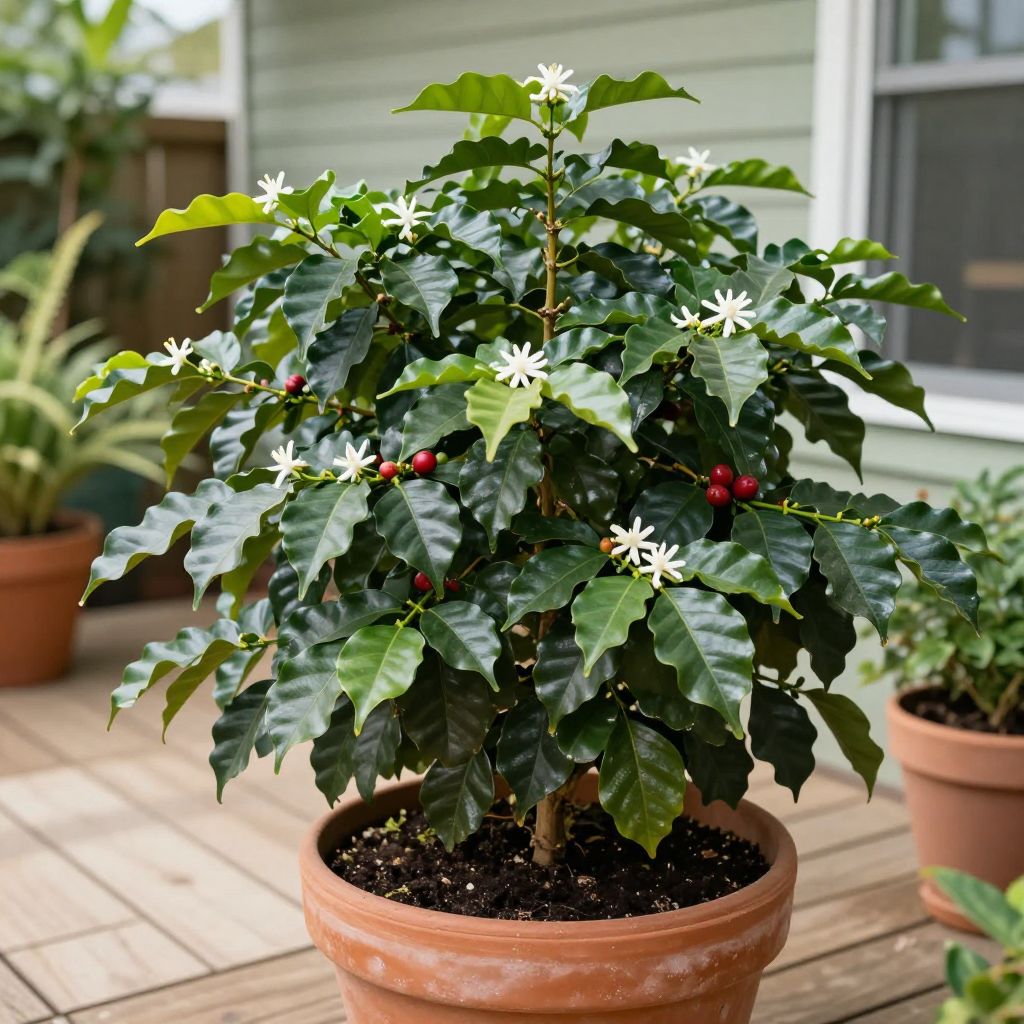
Can you grow coffee in the US? Yes, but only in the right climates or with indoor protection. Coffee plants are tropical evergreen shrubs that need warmth, humidity, bright filtered light, and frost-free conditions to thrive.
For most US gardeners, that means growing coffee as a container plant indoors or on a sheltered patio in summer. In a few warm areas, especially parts of Florida, Hawaii, and very mild coastal microclimates, it can be grown outdoors year-round with care.
Can You Grow Coffee In The Us?
Yes, you can grow coffee in the US, but success depends on climate. Coffee arabica is the species most home gardeners grow, and it needs consistently warm temperatures, high humidity, bright indirect light, and no frost. In cooler regions, it does best as a houseplant or seasonal patio plant.
What Coffee Plants Need to Grow Well
Coffee plants are understory tropical shrubs, so they are happiest in conditions that mimic dappled forest light. They do not like harsh sun, dry air, or cold snaps.
Ideal growing conditions
- Light: Bright, indirect light or morning sun with afternoon shade.
- Temperature: Warm conditions year-round; protect from cold and frost.
- Humidity: Moderate to high humidity helps prevent leaf stress.
- Soil: Rich, well-draining, slightly acidic potting mix.
- Water: Even moisture, but never soggy roots.
If you are growing coffee outdoors in the US, your local climate matters more than a calendar. A protected microclimate, such as a courtyard, screened porch, or shaded greenhouse, can make a big difference.
Best Places in the US to Grow Coffee Outdoors
Outdoor coffee growing is limited to frost-free or nearly frost-free regions. Even then, young plants need shelter from wind, intense sun, and sudden temperature drops.
Good outdoor candidates
- South Florida and other very mild subtropical areas
- Hawaii
- Warm coastal microclimates with little or no frost
- Greenhouse or conservatory settings anywhere in the US
In most other states, coffee should be treated as a container plant that moves indoors when nights cool. A hard frost can damage or kill the plant quickly.
How to Plant Coffee in a Container
Container growing is the most practical way to grow coffee in the US. It gives you control over soil, moisture, and temperature, and it makes it easier to move the plant as seasons change.
- Choose a pot with drainage holes.
- Use a loose, rich potting mix that drains well.
- Set the plant at the same depth it was growing before.
- Water thoroughly, then let excess water drain away.
- Place it in bright, filtered light, not harsh direct sun.
A pot that is too large can hold excess moisture and slow root growth. Start with a container only slightly larger than the root ball and repot as the plant fills out.
Soil mix tips
Coffee prefers soil that stays lightly moist but never waterlogged. A quality indoor potting mix amended with compost and a drainage material such as perlite is often a good starting point.
- Use a mix that drains freely.
- Avoid heavy garden soil in pots.
- Keep the pH slightly acidic if possible.
- Top-dress with compost sparingly rather than burying the stem.
Sunlight, Water, and Humidity Care
One of the most common mistakes is giving coffee too much direct sun or letting it dry out completely. Both can lead to leaf scorch, leaf drop, or weak growth.
Light
Indoors, place coffee near a bright window with filtered light. An east-facing window is often a good choice. If the plant sits in stronger light, use a sheer curtain to soften the rays.
Watering
Water when the top inch or two of soil begins to dry, but do not let the pot sit in water. The goal is steady moisture, not saturation.
- Check the soil with your finger before watering.
- Water deeply enough to moisten the root zone.
- Empty saucers after watering.
- Reduce watering in cooler, darker months when growth slows.
Humidity
Dry indoor air can cause brown leaf edges and stressed growth. If your home is dry, use a humidity tray, group plants together, or run a humidifier nearby.
Feeding and Pruning Coffee Plants
Coffee is a moderate feeder. It grows best with regular but not excessive nutrition, especially during active growth.
Fertilizing
Use a balanced fertilizer made for houseplants or acid-loving plants, following the label directions. Avoid overfeeding, which can cause salt buildup, leaf tip burn, and weak, overly soft growth.
- Feed more during spring and summer if growth is active.
- Cut back feeding in winter or during slow growth.
- Flush the pot occasionally with plain water to reduce salt buildup.
Pruning
Pruning helps keep coffee plants compact and bushy. You can pinch or trim the tips of young plants to encourage branching, or remove leggy stems to improve shape.
Prune lightly rather than drastically. Coffee flowers and fruit are produced on mature wood, so heavy cutting can reduce future flowering.
Can Coffee Produce Beans at Home?
Yes, a healthy coffee plant can flower and set fruit, but home harvests are usually modest. Flowering often happens on mature plants that have enough light, warmth, and consistent care.
What to expect
- White, fragrant flowers may appear on mature plants.
- Fruit develops slowly and changes from green to red as it ripens.
- Ripening is uneven, so fruits may need to be picked in stages.
Do not expect a large harvest from a single houseplant. The real reward for most gardeners is the attractive foliage, fragrant bloom, and the challenge of growing a tropical crop at home.
Common Problems and How to Fix Them
Coffee plants usually fail because their environment is too dry, too cold, or too wet. Catching problems early makes recovery much easier.
Yellow leaves
Yellowing can come from overwatering, poor drainage, low light, or nutrient imbalance. Check the soil first. If it stays wet for days, reduce watering and improve drainage.
Brown leaf edges
This often points to low humidity, inconsistent watering, or salt buildup from fertilizer. Increase humidity and flush the pot if you suspect excess fertilizer salts.
Leaf drop
Sudden changes in temperature, drafts, or light can make coffee drop leaves. Keep it away from heating vents, cold windows, and air-conditioning blasts.
Pests
Indoors, coffee can attract spider mites, scale, mealybugs, and aphids. Inspect leaf undersides regularly.
- Wipe small infestations off with a damp cloth.
- Use insecticidal soap if needed, following label directions.
- Isolate affected plants to prevent spread.
Root rot
Root rot is usually caused by soggy soil and poor drainage. If the plant wilts while the soil is wet, check the roots. Healthy roots should be firm, not mushy or foul-smelling.
Overwintering Coffee Plants Indoors
If you move coffee outdoors for summer, bring it back inside before nights turn cool. Acclimate it gradually so the plant does not shock from sudden changes in light and temperature.
- Move it to brighter shade for a few days before bringing it in.
- Inspect for pests before the plant enters your home.
- Place it in a bright indoor spot away from drafts.
- Reduce watering slightly as growth slows.
Indoor winter care is often the difference between a thriving plant and a declining one. Stable conditions matter more than perfect conditions.
Propagation and Repotting Basics
Coffee is usually propagated from seed or cuttings. Seed-grown plants can be slow to mature, and fresh seed is generally more reliable than old seed.
Seed propagation
If you start from seed, keep the medium warm and lightly moist. Germination can be slow and uneven, so patience is important.
Repotting
Repot when roots begin circling the pot or water drains too quickly through a rootbound container. Move up one pot size at a time and refresh the potting mix.
Avoid repotting into a much larger container all at once. Excess soil around a small root system can stay wet too long and cause rot.
Practical Takeaways for Home Gardeners
If you want to grow coffee in the US, start by matching the plant to your climate. Outdoors is realistic only in very mild, frost-free areas; for everyone else, a container grown indoors or on a protected patio is the best approach.
Give it bright filtered light, warm temperatures, steady moisture, and good drainage, and you’ll have a handsome tropical plant that can live for years. If you are ready to begin, choose a healthy young coffee plant, set it in a draining pot, and place it in the brightest gentle light you have.
For more practical plant-care guidance, you may also enjoy reading about houseplant care basics and container gardening tips.