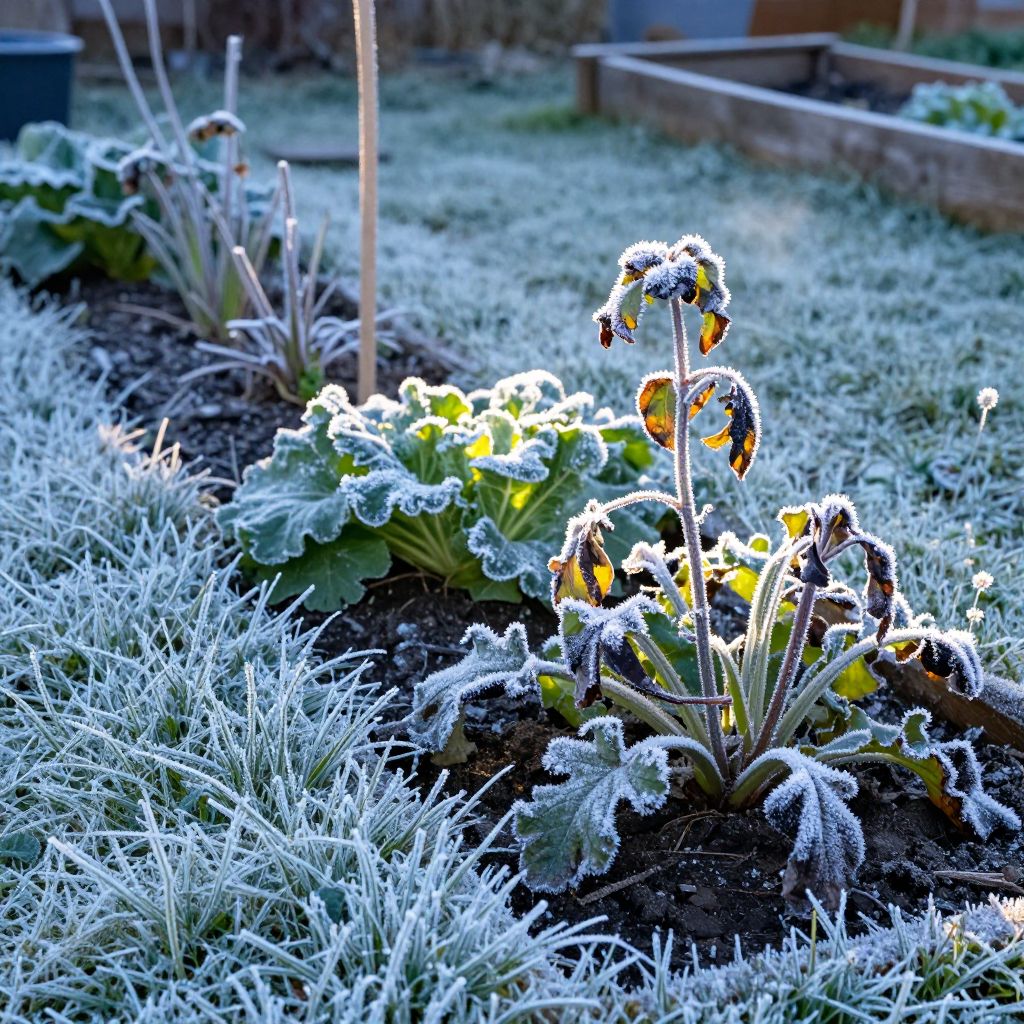
What is a hard frost, and how do you know when your garden is at risk? A hard frost is a strong freeze event that can damage or kill tender plants, especially when temperatures drop well below 32°F (0°C) for several hours. It is one of the most important weather signals for gardeners to watch in autumn, spring, and during sudden cold snaps.
Knowing how to identify a hard frost helps you protect seedlings, harvest crops at the right time, and avoid pruning or transplanting at the wrong moment. The exact impact depends on plant type, growth stage, wind, moisture, and how long the cold lasts.
What is a hard frost?
A hard frost is a prolonged frost or freeze that is cold enough to damage plant tissues, usually when temperatures fall to 28°F (-2°C) or lower for several hours. Unlike a light frost, which may only affect tender leaves, a hard frost can blacken foliage, collapse soft stems, and end the growing season for many annuals and vegetables.
How to identify a hard frost in the garden
Look for more than just a white coating on the grass. A hard frost is usually confirmed by a weather forecast showing subfreezing temperatures overnight, especially if the low stays below 28°F (-2°C) for multiple hours. After sunrise, damaged plants often look limp, water-soaked, darkened, or collapsed.
Common signs after a hard frost
- Blackened or translucent leaves on tender plants such as basil, tomatoes, zinnias, and impatiens
- Wilted stems that do not recover as the day warms
- Softened fruit or tissue on crops like peppers and squash
- Frozen soil surface or visible ice crystals early in the morning
- Browned flower buds on frost-sensitive ornamentals
Hard frost vs. light frost
- Light frost: brief cold near 32°F (0°C); may only nip tender growth
- Hard frost: colder and longer-lasting; more likely to kill or severely damage plants
- Freeze: a general term for temperatures at or below 32°F (0°C)
Which plants are most vulnerable?
Tender annuals, warm-season vegetables, and many tropical or subtropical plants are the first to suffer. Cool-season crops can handle light frost better, but even they may be damaged by a hard frost if exposure is long enough or the plants are still young.
Plants that usually need protection
- Tomatoes, peppers, eggplants
- Basil and other tender herbs
- Beans, cucumbers, squash, melons
- Marigolds, impatiens, zinnias, coleus
- Young seedlings and newly transplanted plants
Plants that are often more tolerant
- Kale, cabbage, Brussels sprouts
- Spinach, lettuce, chard
- Many established shrubs and trees, depending on species and local hardiness
Important: A plant’s age matters. Even a normally hardy crop can be damaged if it is newly planted, stressed by drought, or still small and tender.
What happens to plants during a hard frost?
When plant cells freeze, ice crystals can rupture tissues and interrupt water movement. That is why leaves may look wet and limp after thawing. Some plants only lose top growth, while others are killed to the ground or completely destroyed.
Why some damage appears the next day
Frost injury is not always obvious at sunrise. A plant may look acceptable while still frozen, then collapse later as tissues thaw and fail. If you are unsure, wait until temperatures rise before deciding whether to prune or pull it.
How to protect plants before a hard frost
The best defense is preparation before sunset. Covering plants, moving containers, and reducing exposure to wind can make a big difference, especially for short cold events. Use the forecast to act early, not after temperatures have already dropped.
- Water the soil earlier in the day if conditions are dry. Moist soil holds more heat than dry soil.
- Cover tender plants with frost cloth, old sheets, blankets, or row cover before dusk.
- Anchor covers to the ground so warm air stays trapped underneath.
- Remove covers in the morning once temperatures rise, especially on sunny days.
- Move containers indoors or to shelter if possible, since pots freeze faster than in-ground soil.
Good covering practices
- Use supports or stakes so fabric does not crush plants.
- Make sure the cover reaches the soil to trap radiant heat.
- Do not use plastic directly on foliage unless it is supported and removed promptly, because it can trap cold against leaves.
Extra protection for containers
Potted plants are more exposed because roots are above ground and the potting mix cools quickly. Group containers together, place them against a wall, or move them into a garage, porch, or shed if overnight temperatures are expected to drop hard.
What to do after a hard frost
Wait until the plant has thawed before assessing damage. Some foliage may look worse than it really is, and premature pruning can remove tissue that still has a chance to recover. Focus first on safety, cleanup, and deciding which plants are worth saving.
Recovery steps
- Do not water frozen soil; wait until it thaws.
- Remove collapsed annuals and vegetables only after they are fully thawed.
- Prune dead tissue from perennials in mild weather, but leave uncertain stems until new growth appears.
- Check containers for cracked pots and root exposure.
When to discard a plant
If stems are mushy, the crown is blackened, or the entire plant has collapsed and will not rebound after a day or two of mild weather, it is usually done. For vegetables, a hard frost often means harvest now or lose the crop.
How hard frost affects common garden tasks
Harvesting
Pick tender fruits and vegetables before a hard frost whenever possible. Tomatoes, peppers, beans, and basil are especially vulnerable. Some crops can be harvested slightly immature and ripened indoors, while others are best used immediately.
Pruning
Avoid heavy pruning right before cold weather. Fresh cuts can leave plants more exposed, and new growth stimulated by pruning may be damaged by frost. Save major pruning for the appropriate season in your climate.
Planting
Do not set out warm-season transplants until your local frost risk has passed. If you garden in a variable climate, use your local average last frost date as a guide, but still watch short-term forecasts for late cold snaps.
Soil, drainage, and frost damage
Well-drained soil does not prevent frost, but it helps plants avoid additional stress. Waterlogged soil can chill roots faster and make recovery harder. Raised beds and containers often cool more quickly than ground soil, so they may need extra protection during hard frost events.
Why drainage matters
- Poor drainage can lead to root stress before cold weather arrives.
- Wet foliage and soggy soil can increase the chance of rot after frost injury.
- Compacted soil holds less air and can be harder for roots to tolerate in cold weather.
Common mistakes gardeners make
- Waiting until morning to cover plants, after the cold has already done damage
- Using plastic directly on leaves without support
- Leaving covers on all day, which can overheat plants in sun
- Pruning too quickly after frost, before damage is clear
- Assuming all frost is the same and not checking the forecast low and duration
How to read the forecast like a gardener
Pay attention to the overnight low, the number of hours below freezing, wind, and whether the forecast calls for a clear sky. Clear, calm nights often lose heat faster than cloudy or breezy ones, which can make a hard frost more likely in low spots and sheltered gardens.
Watch these conditions closely
- Low-lying areas where cold air settles
- Open gardens exposed to wind
- Container plantings on patios and decks
- New transplants that have not hardened off
Indoor and outdoor differences
Indoor plants are not usually exposed to frost unless they are moved outside too early or kept in an unheated space. For houseplants, the main concern is cold windows, drafty rooms, and sudden temperature drops near doors or garages. Outdoor plants need weather-based protection and seasonal timing.
If you bring plants indoors
Inspect them for pests before moving them inside, because aphids, whiteflies, and spider mites can quickly spread indoors. Give them bright light and avoid placing them right against a freezing windowpane.
Conclusion: be ready before the temperature drops
Now that you know what a hard frost is, you can protect tender plants, harvest on time, and avoid unnecessary damage. Check your local forecast, cover vulnerable plants before sunset, and move containers to shelter when a hard frost is expected. For more seasonal timing help, read about frost protection and how to harden off seedlings before transplanting.