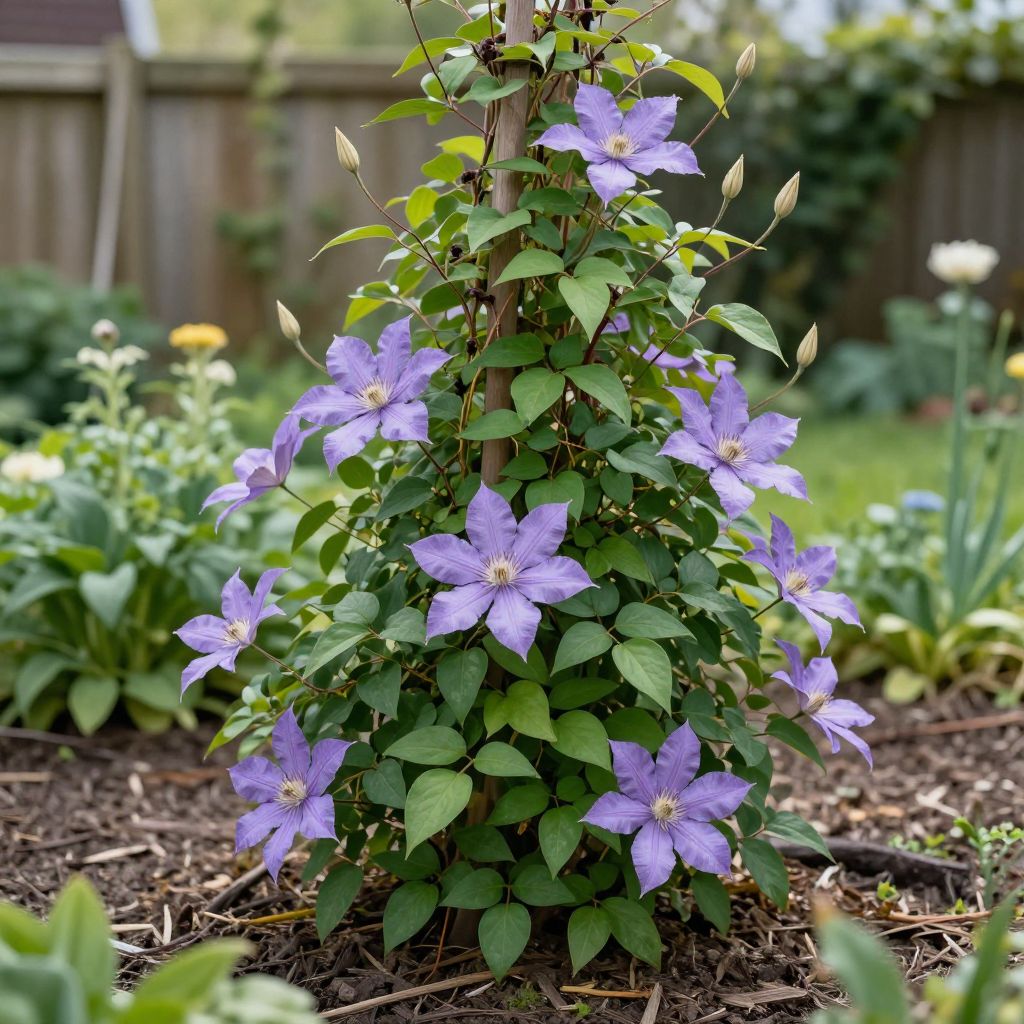
Clematis bloom at different times depending on the species, cultivar, climate, and how you prune them. Some flower in early spring on old wood, others bloom in late spring or summer on new growth, and a few repeat later in the season if conditions are right.
If you want more flowers, the key is matching the plant’s bloom cycle to your garden and pruning it correctly. Once you know which clematis group you have, it becomes much easier to predict flowering and avoid accidentally removing next year’s buds.
When do clematis bloom?
Clematis bloom from early spring through late summer, and some types flower again in early fall. The exact timing depends on the clematis group: Group 1 blooms on old wood in spring, Group 2 usually flowers in late spring and may repeat, and Group 3 blooms on new growth in summer.
Understanding clematis bloom groups
The easiest way to answer when do clematis bloom is to identify the plant’s pruning group. That tells you not only the season of bloom, but also how to care for it without cutting off flower buds.
Group 1: Early bloomers on old wood
These clematis set buds on stems that grew the previous year. They usually bloom in early to mid-spring, often before many other climbers are active.
- Flowers appear on last year’s stems.
- Prune lightly, if needed, right after flowering.
- Hard pruning in winter can remove the next season’s flowers.
Group 2: Large-flowered types with a main spring flush
These often bloom in late spring to early summer and may produce a second, smaller flush later in the season. They can be less predictable than the other groups, especially if winter damage or poor pruning reduces flowering.
- Flowers form on both old and new wood.
- Light pruning is best, usually after the first bloom.
- Remove only dead, weak, or tangled stems in late winter.
Group 3: Summer bloomers on new wood
These clematis bloom in mid-summer to late summer because they flower on the current season’s growth. They are usually the simplest for beginners to prune because you can cut them back hard in late winter or early spring.
- Flowers form on new stems.
- Prune back to a low framework before growth starts.
- They often bloom later than other clematis but are reliable once established.
What affects clematis bloom time?
Even within the same group, bloom time can shift by several weeks. Weather, planting location, plant maturity, and pruning all influence when flowers open and how long they last.
Climate and local weather
In cooler climates, clematis often bloom later than they do in mild regions. A cold spring can delay flowering, while a warm spring may bring blooms early. Late frosts can also damage buds, especially on early-flowering types.
Sun exposure
Clematis usually bloom best with at least 6 hours of sun, though many varieties prefer their roots shaded and their tops in sun. Too much shade can reduce flowering and make stems stretch weakly toward the light.
Plant age and establishment
Newly planted clematis may take a season or two to settle in before blooming heavily. A young plant may flower lightly the first year and improve as the root system expands.
Pruning timing
Pruning at the wrong time is one of the most common reasons clematis fail to bloom. If you prune a spring-flowering type in late winter, you may remove the buds already formed on old wood.
Soil and root conditions
Clematis prefer fertile, moisture-retentive soil that drains well. Waterlogged roots can weaken the plant, while very dry soil can reduce bud formation and shorten bloom duration.
How to encourage more blooms
Healthy clematis usually flower more generously than stressed plants. Good planting, steady moisture, and the right pruning approach make a noticeable difference.
- Plant in well-drained soil. Mix in compost if your soil is poor, heavy, or very sandy.
- Keep the roots cool. Mulch around the base or underplant with low-growing companions.
- Give the vine support. Clematis climb by twining leaf stems, so provide a trellis, fence, or obelisk.
- Water deeply during dry spells. Aim for consistent moisture, especially in the first year and during bud formation.
- Feed lightly in spring. Use compost or a balanced fertilizer if your soil needs it, but avoid overfeeding with nitrogen, which can push leafy growth at the expense of flowers.
- Prune according to the group. Correct pruning protects flower buds and keeps the plant vigorous.
Best planting conditions for reliable flowering
To get the best bloom display, plant clematis where the roots can stay cool and the stems can reach light. A site with morning sun and afternoon shade often works well in hot climates, while cooler regions can usually support more sun.
Soil preparation
Before planting, loosen the soil deeply and mix in well-rotted compost. Clematis dislike compacted ground, and they flower better when roots can spread easily.
- Plant in soil that drains freely after rain.
- Set the crown a little deeper than it was in the pot if the variety and local conditions allow it.
- Water thoroughly after planting to settle the soil around the roots.
Mulch and root protection
A 2- to 3-inch layer of organic mulch helps conserve moisture and keep roots cooler. Keep mulch a few inches away from the stems to reduce rot.
Pruning clematis without losing flowers
Pruning is the biggest factor in bloom timing for many gardeners. If you are unsure of the group, watch when the plant flowers before making major cuts.
Simple pruning guide
- Spring bloomers: prune lightly after flowering.
- Repeat bloomers: remove dead stems in late winter, then lightly shape after the first flush.
- Summer bloomers: cut back hard in late winter or early spring before new growth starts.
If your clematis has been neglected, it is usually safer to prune gradually over one or two seasons rather than cutting everything at once. That helps you avoid losing all of the flower-bearing wood.
Common reasons clematis do not bloom
When a clematis grows leaves but no flowers, the cause is often environmental or pruning-related rather than a serious disease problem. A few small adjustments can restore blooming.
- Wrong pruning time: spring bloomers may have had buds cut off.
- Too much shade: the vine may be healthy but not receiving enough light to flower well.
- Too much nitrogen: lush foliage can crowd out blooms.
- Drought stress: dry roots can limit bud development.
- Plant not established: young vines may need time before flowering heavily.
- Winter damage: cold snaps can kill flower buds on old wood.
What to do if your clematis is leafy but flowerless
- Check whether it is getting enough sun.
- Review when and how you pruned it.
- Inspect for dry soil or poor drainage.
- Reduce high-nitrogen feeding.
- Wait through one full growing season if the plant is newly planted or recovering.
Pests and diseases that can affect blooming
Clematis are generally manageable, but stress from pests or disease can reduce flowering. Healthy foliage supports better bloom production, so it is worth watching for problems early.
Common issues
- Aphids: can cluster on soft growth and distort buds.
- Slugs and snails: may damage young shoots near the base.
- Powdery mildew: can weaken leaves in dry, crowded conditions.
- Clematis wilt: causes sudden stem collapse in some plants, especially large-flowered types.
Remove damaged stems promptly, improve air circulation, and keep the plant evenly watered. If wilt occurs, cut affected stems back to healthy tissue and dispose of them rather than composting them if the disease is active.
Can you propagate clematis?
Yes, but propagation is more about making new plants than improving bloom timing on an existing one. If you already have a clematis that flowers well, taking cuttings or layering can help you preserve that plant for the future.
- Layering: bend a stem to the soil and pin it in place until roots form.
- Softwood cuttings: take from healthy new growth in the appropriate season.
New plants grown from cuttings or layers may still need time to mature before they bloom heavily.
Seasonal bloom calendar at a glance
This simple guide can help you estimate flowering time once you know the clematis group and your local climate.
- Early spring: Group 1 spring bloomers
- Late spring to early summer: Group 2 large-flowered clematis
- Mid- to late summer: Group 3 summer bloomers
- Late summer to fall: some repeat bloomers may flower again after a light trim
Final tips for better clematis flowers
If you want to know when clematis bloom in your garden, start by identifying the plant’s bloom group, then match your pruning and care to that type. With the right sun, steady moisture, and proper pruning, clematis can flower for weeks and sometimes rebloom later in the season.
For more help with vine care, you may also want to read related gardening guides on pruning flowering vines and choosing the best climbing plants for your garden.