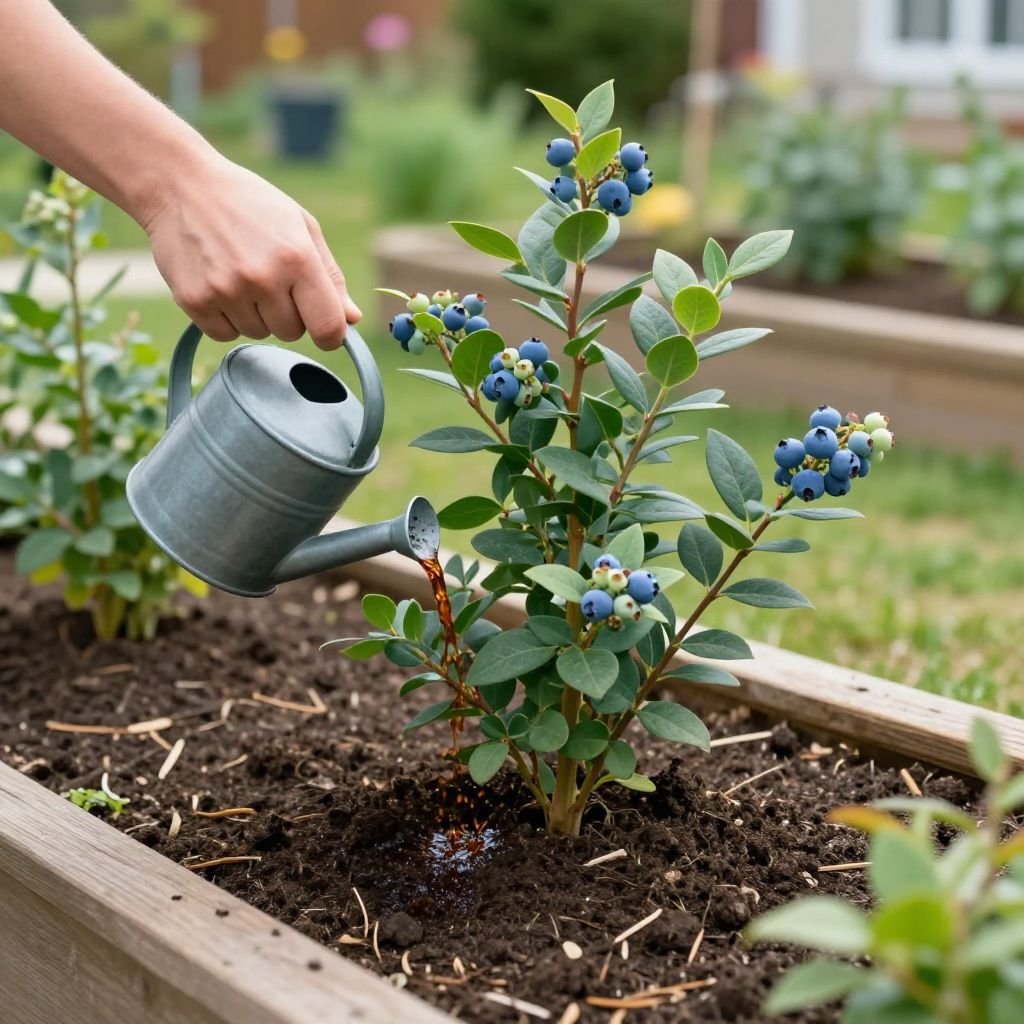
Wondering what plants like coffee grounds and how to use them without harming your garden? Coffee can be a helpful soil amendment, but only for certain plants and only when used correctly.
The key is to treat coffee grounds as a light, organic addition—not a miracle fertilizer. Used in moderation, they can improve soil structure, feed compost, and suit acid-loving plants, but too much can cause drainage, mold, or nutrient imbalance.
What plants like coffee?
Plants that often benefit from coffee grounds are acid-loving ornamentals and crops such as blueberries, azaleas, rhododendrons, camellias, hydrangeas, roses, and some vegetables when the grounds are composted first. Coffee grounds work best as a small soil amendment or compost ingredient, not as a thick layer around roots.
Which plants can benefit from coffee grounds?
Coffee grounds are mildly acidic when fresh, but used grounds are usually close to neutral. That means the biggest benefit is not changing pH dramatically, but adding organic matter and a small amount of nitrogen when they break down.
Good candidates for coffee grounds
- Blueberries and other acid-loving shrubs
- Azaleas, rhododendrons, and camellias
- Hydrangeas, especially in soils that already lean acidic
- Roses, when grounds are composted or lightly mixed into soil
- Tomatoes, peppers, and leafy greens, if the grounds are composted first and used sparingly
- Container plants that need richer potting mix, again in small amounts
Plants that usually do not need coffee grounds
- Plants that prefer alkaline soil, such as lavender and many Mediterranean herbs
- Seedlings in small pots, where too many grounds can compact the surface
- Any plant already struggling with poor drainage or fungus problems
If you are unsure whether a plant likes coffee, check its preferred soil pH first. Coffee grounds are not a fix for the wrong soil type, and they should not be used to force a plant into conditions it does not naturally prefer.
How to use coffee grounds in the garden
The safest way to use coffee grounds is in compost or as a very thin top-dressing. A light application helps avoid crusting, mold, and water-repellent layers on the soil surface.
1. Add grounds to compost
This is the best use for most gardeners. Coffee grounds count as a “green” material because they add nitrogen, and they balance well with dry “brown” materials like leaves, shredded paper, and straw.
- Mix grounds into the compost pile instead of dumping them in one spot.
- Keep the pile balanced with plenty of browns.
- Turn the pile regularly if possible so the grounds break down evenly.
2. Apply a thin layer around established plants
You can sprinkle a very thin layer of used grounds around established plants and gently work them into the top inch of soil or mulch. Do not pile them thickly on the surface.
- Use only a light dusting, not a blanket.
- Keep grounds away from stems and crowns.
- Water afterward so the grounds settle into the soil.
3. Mix into potting soil carefully
For containers, coffee grounds should be used sparingly and preferably composted first. Fresh grounds in pots can form a dense layer and reduce airflow in the mix.
- Blend a small amount into potting mix, not more than a minor ingredient.
- Use a quality potting mix with good drainage as the base.
- Never replace potting soil with coffee grounds alone.
Why coffee grounds can help some plants
Coffee grounds are not a complete fertilizer, but they can support healthy growth in a few useful ways. Their value comes from organic matter, slow nutrient release, and their role in composting.
Benefits you may notice
- Improved soil texture when mixed into compost or loose garden soil
- Slow nutrient contribution as the grounds decompose
- Better moisture retention in sandy soils when used correctly
- More active compost when grounds are balanced with carbon-rich materials
That said, coffee grounds are not a substitute for a complete feeding plan. Most plants still need balanced nutrition from compost, organic fertilizer, or naturally fertile soil.
Common mistakes to avoid
Many coffee-ground problems come from using too much at once or applying grounds in the wrong way. A little goes a long way.
- Avoid thick layers on the soil surface. They can crust over and block water from soaking in.
- Do not use grounds as mulch by themselves. They are too fine and can compact.
- Do not overapply to seedlings or very small containers.
- Do not assume all plants want acidic soil. Many do not.
- Do not use grounds as a cure-all for yellow leaves, poor growth, or pests.
Soil pH: what coffee really does
Gardeners often hear that coffee grounds make soil acidic, but the effect is usually smaller than expected once the grounds are used and broken down. If your plant truly needs acidic soil, test the pH rather than relying on coffee alone.
When pH matters most
- Blueberries need consistently acidic soil to perform well.
- Hydrangea flower color can shift with soil chemistry, though other factors matter too.
- Plants in alkaline soil may show nutrient lockout that coffee grounds will not fix.
If you are growing acid-loving plants, a soil test is the most reliable guide. Coffee grounds can support the soil, but they should not be your only adjustment.
Indoor plants and coffee grounds
Houseplants can use coffee grounds only in very small amounts, and many indoor growers are better off skipping them entirely unless the plant is known to prefer slightly acidic conditions.
Best practices for houseplants
- Use composted grounds, not fresh wet grounds.
- Mix them lightly into the potting medium or compost first.
- Watch for fungus gnats, mold, or sour smells.
- Do not leave a thick layer on the pot surface.
Indoor pots dry more slowly than garden beds, so coffee grounds can stay wet too long. That increases the risk of mold and root problems, especially in low light or cool rooms.
How to tell if coffee grounds are helping
Healthy plants should show steady new growth, better leaf color, and normal flowering or fruiting over time. Coffee grounds will not create an overnight change, so watch for gradual improvement rather than dramatic results.
Signs you may be using too much
- Water pools on the soil surface
- White mold appears on the grounds
- Soil smells sour or stale
- Leaves yellow or growth slows after application
If you see these signs, remove any thick layer of grounds, loosen the topsoil gently, and switch to compost or a lighter mulch. Improving drainage and airflow is usually more effective than adding more organic material.
Practical planting and care tips for coffee-friendly plants
Plants that like coffee grounds still need the basics done well: the right soil, enough light, proper watering, and regular maintenance. Coffee grounds are only one small part of the picture.
For outdoor beds
- Choose a plant that prefers acidic or organically rich soil.
- Improve the bed with compost before planting.
- Mulch lightly to conserve moisture and protect roots.
- Top-dress with a small amount of used coffee grounds only when needed.
- Water deeply, but let the soil drain well between waterings.
For containers
- Start with a high-quality potting mix.
- Use composted grounds sparingly, if at all.
- Make sure pots have drainage holes.
- Refresh the top layer of soil rather than adding repeated heavy layers of grounds.
When coffee grounds are not the answer
If a plant is wilting, yellowing, or failing to bloom, coffee grounds may not be the solution. The real issue could be overwatering, compacted soil, poor light, pests, or a nutrient deficiency that needs a different fix.
Before adding anything new, check the basics:
- Is the plant getting the right amount of sun?
- Does the soil drain well?
- Are you watering too often?
- Is the plant in the right pH range?
- Are pests or disease present?
Conclusion
Coffee grounds can be useful for the right plants, especially acid-lovers and compost-fed garden beds, but they work best in moderation. Use them lightly, compost them when possible, and match them to the needs of your specific plant and soil.
If you want to keep learning about soil health and plant care, a good next step is to read more about composting and soil pH before deciding how to use coffee grounds in your garden.