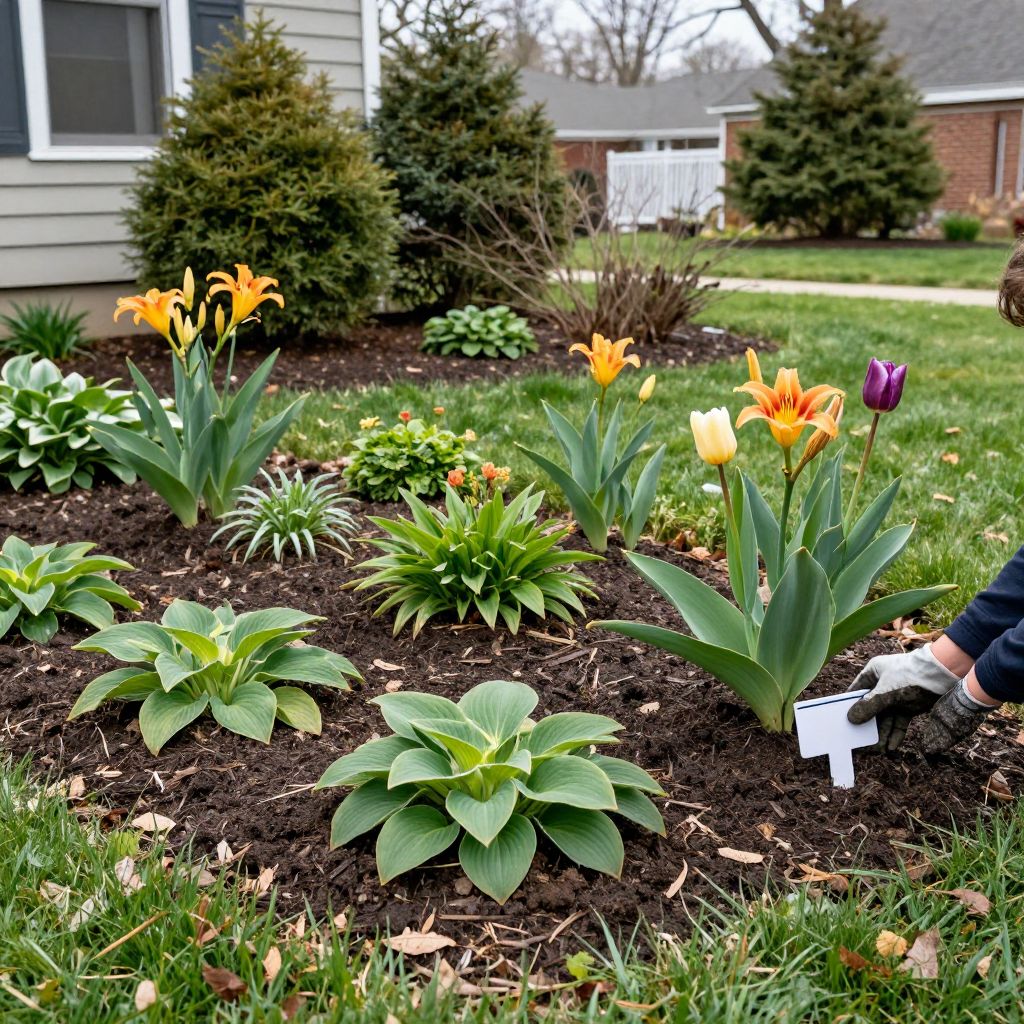
What zone is Ohio for gardening? The short answer is that Ohio spans several USDA hardiness zones, mainly zone 5b through zone 6b, with some colder pockets near 5a and warmer urban or southern areas edging into 7a. Your exact zone depends on your location, elevation, and local microclimate, so it’s worth checking a detailed map before you plant.
Knowing your zone helps you choose perennials, shrubs, trees, and bulbs that can survive winter in your yard. It also helps you time planting, protect tender plants, and avoid the common mistake of buying plants that are not hardy enough for your part of Ohio.
What zone is Ohio for gardening?
Ohio is mostly USDA hardiness zones 5b, 6a, and 6b, with a few areas in 5a and some warmer spots in 7a. Hardiness zones measure average winter cold, not summer heat, so use them to judge which perennial plants can survive outdoors year after year.
Why Ohio has more than one hardiness zone
Ohio stretches from colder northern areas and higher elevations to milder southern regions, so winter lows vary across the state. Lake Erie, city heat, wind exposure, snow cover, and slope can all shift what survives in your own yard.
Typical Ohio zone pattern
- Northern Ohio: often 5b to 6a
- Central Ohio: often 6a to 6b
- Southern Ohio: often 6b, with some 7a pockets
- Colder low spots or exposed sites: may act like a colder zone than the map suggests
Think of the zone map as a starting point, not a guarantee. A sheltered backyard near a brick wall may be warmer than a windy open field just a few miles away.
How to use your Ohio zone when choosing plants
For outdoor gardening, choose plants rated for your zone or colder. If you live in zone 6a, for example, plants hardy to zone 5 are usually safer than plants rated only to zone 6b.
What the zone rating tells you
- Whether a perennial can overwinter in your yard
- How likely shrubs and trees are to survive severe cold
- Which bulbs and roses are reliable in your region
- How much winter protection tender plants may need
Important: hardiness zones do not tell you everything. They do not account for soil moisture, drainage, summer humidity, disease pressure, or how long a plant stays wet in winter.
What to do at the garden center
- Check the plant tag for the hardiness zone range.
- Match it to your local Ohio zone, not just the state average.
- Choose the colder side of the range if your site is exposed or poorly drained.
- Consider sun, soil, and moisture needs before buying.
Ohio planting conditions that matter as much as zone
Zone is only one piece of the puzzle. In Ohio, clay soil, spring rains, summer humidity, and freeze-thaw cycles can affect plant survival just as much as winter cold.
Soil and drainage
Many Ohio gardens have heavy clay soil that drains slowly. That can be good for moisture-loving plants, but it can also cause root rot in plants that need sharp drainage.
- Test drainage by digging a hole about 12 inches deep and filling it with water.
- If water still sits after several hours, improve drainage before planting sensitive species.
- Work in compost to improve soil structure, but do not rely on compost alone to fix severe drainage problems.
Sunlight and exposure
Most flowering perennials and vegetables need full sun, which means at least 6 hours of direct light. In Ohio, a south-facing slope or open yard may dry faster and warm earlier in spring than a shaded lot.
- Full sun: best for many vegetables, roses, and prairie-style perennials
- Part shade: useful for hostas, astilbe, some hydrangeas, and woodland plants
- Windy sites: can dry plants out and increase winter damage
Best planting strategies for Ohio gardeners
Once you know your zone, plant with the season and soil in mind. In Ohio, spring and early fall are often the easiest times to establish many landscape plants because temperatures are moderate and rainfall is usually more helpful.
Perennials and shrubs
Choose hardy plants suited to your zone and site conditions. Even a tough perennial can struggle if it is planted in wet clay, deep shade, or intense reflected heat.
- Plant when soil is workable and not saturated.
- Dig a hole only as deep as the root ball and wider than the container.
- Set the crown at or slightly above soil level.
- Mulch lightly to conserve moisture, but keep mulch away from stems and trunks.
Vegetables
Vegetable gardening in Ohio depends more on frost dates than hardiness zones, because most vegetables are annuals. Still, your zone helps you understand how long cold weather may linger in spring and return in fall.
- Use your local last spring frost and first fall frost dates to plan sowing and transplanting.
- Protect tender seedlings from late cold snaps with row cover or cloches.
- Warm-season crops like tomatoes, peppers, and basil need warm soil and nights before transplanting outdoors.
Bulbs
Spring-flowering bulbs such as tulips, daffodils, and crocus are generally reliable in much of Ohio when planted at the proper depth and in well-drained soil. Wet winter soil is often a bigger problem than cold.
- Plant bulbs in fall before the ground freezes.
- Choose a site with good drainage.
- Set bulbs at a depth about 2 to 3 times their height, unless the plant tag says otherwise.
Microclimates in Ohio yards
Your yard may behave like a different zone than the map suggests. Microclimates are small areas with slightly warmer or colder conditions, and they matter a lot for borderline plants.
Warmer microclimates
- South-facing walls
- Urban lots with retained heat
- Sheltered courtyards
- Areas protected from winter wind
Colder microclimates
- Low spots where cold air settles
- Open, windy fields
- Exposed hilltops
- Areas with poor snow cover
If you want to push the zone a little, place borderline plants in the warmest part of your yard and give them extra winter protection. If you want reliability, plant for the colder end of your zone range.
How to protect plants through Ohio winters
Ohio winters can include deep cold, thawing, and refreezing, which is hard on roots and crowns. The goal is not to keep plants warm all winter, but to keep them stable and protected from drying and heaving.
Practical winter protection
- Apply 2 to 3 inches of mulch after the ground begins to cool.
- Water plants well before the ground freezes if autumn has been dry.
- Use burlap or windbreaks for exposed evergreens and tender shrubs.
- Avoid piling mulch directly against trunks or stems.
Do not prune late in the season just to “tidy up” plants before winter. Fresh cuts can encourage tender growth or leave plants more exposed to cold injury, depending on the species.
Common mistakes Ohio gardeners make
Most zone-related problems happen when gardeners assume the whole state behaves the same way. A plant that thrives in southern Ohio may struggle in the north, especially in an open or windy site.
Mistakes to avoid
- Buying plants rated only for warmer zones than your own
- Planting in soggy soil without improving drainage
- Ignoring local frost dates for vegetables
- Overmulching and keeping crowns too wet
- Choosing shade plants for full sun, or sun plants for deep shade
Another common mistake is planting too early in spring. Even if the air feels mild, cold soil can slow root growth and set plants back.
Simple checklist for planting in Ohio
Use this quick checklist before you plant anything new in the ground:
- Confirm your local hardiness zone.
- Check the plant’s zone rating and sun requirements.
- Inspect soil drainage after rain.
- Choose the right season for planting.
- Mulch appropriately and water deeply during establishment.
- Watch for frost, wind exposure, and winter heaving.
When to ask for more local guidance
If you are planting a tree, a valuable shrub, or a borderline-hardy perennial, local advice is worth it. County extension offices, experienced nurseries, and regional plant societies often know which varieties perform best in your part of Ohio.
For the most reliable results, pair your zone knowledge with your own yard conditions. If you want more help choosing plants, read a regional planting guide and compare it with your local frost dates, soil type, and sunlight patterns before you buy.