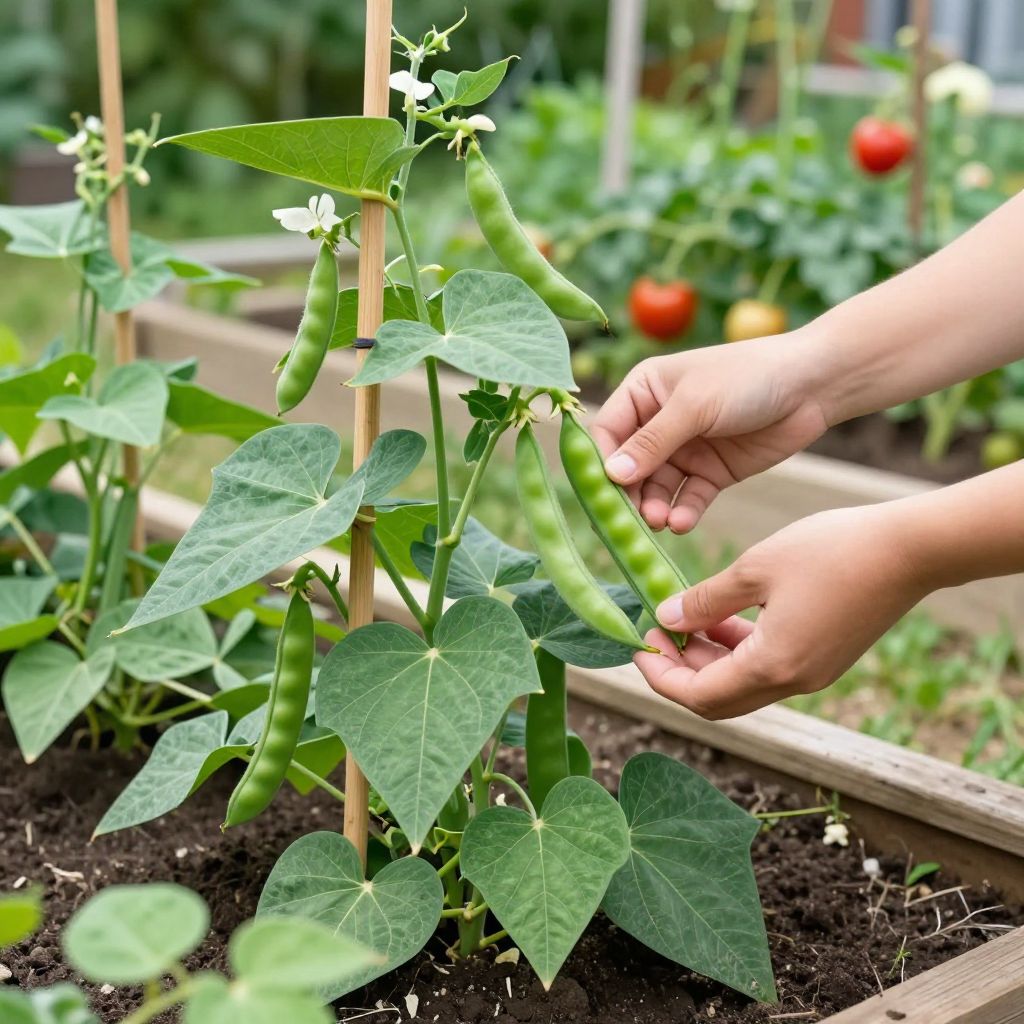
When are green beans in season? If you grow them yourself, the short answer is: green beans are in season when the plants are actively producing tender pods, usually from early to mid-summer through late summer, depending on your climate and planting date.
The exact timing varies with temperature, variety, and whether you grow bush beans or pole beans. With a little planning, you can stretch the harvest and pick beans at their best quality before pods get tough or stringy.
When are green beans in season?
Green beans are typically in season during warm weather, after the danger of frost has passed and soil has warmed to at least about 60°F (16°C). In many gardens, that means harvest begins 50 to 70 days after sowing for bush beans and a bit later for pole beans, then continues for several weeks.
What affects the green bean season in your garden?
Green bean season depends more on your local growing conditions than on the calendar alone. Temperature, day length, soil warmth, and the variety you plant all influence when beans flower and set pods.
Climate and frost dates
- Cool springs delay germination and can rot seed before it sprouts.
- Warm regions may get an earlier first harvest and sometimes a second planting for fall.
- Frost ends the season quickly, so late plantings need enough time to mature before cold weather returns.
Bush beans vs. pole beans
- Bush beans usually produce a concentrated harvest over a few weeks.
- Pole beans take longer to start but can keep producing if you pick regularly.
- If you want a longer season, stagger plantings or choose both types.
Sunlight and soil warmth
Beans need full sun for strong growth and good pod production. In cool soils, seeds may sit too long and fail to emerge well, so wait until the ground is evenly warm rather than rushing the first sowing.
How to time planting for a longer harvest
If you want green beans available over a longer stretch, plant in waves instead of all at once. This is one of the easiest ways to extend the season in a home garden.
- Wait until soil is warm and frost risk has passed.
- Sow a first planting.
- Plant a second batch 2 to 3 weeks later.
- In mild climates, make one more sowing in midsummer for a fall harvest.
This staggered approach works especially well for bush beans, since they mature quickly and then finish. Pole beans can also be succession-planted, but many gardeners prefer one planting on a trellis for a longer continuous picking season.
Best growing conditions for healthy bean production
Good growing conditions help you get into bean season sooner and keep plants producing longer. Beans are fairly easy, but they do best when you avoid stress early in the season.
Soil
- Use loose, well-drained soil.
- Work in compost before planting to improve structure and moisture retention.
- Avoid heavy, waterlogged beds, which can slow growth and increase disease problems.
Water
Keep soil evenly moist, especially during flowering and pod fill. Irregular watering can lead to poor pod set, misshapen beans, or tough pods. Deep watering is better than frequent shallow sprinkling.
Fertilizer
Beans usually do not need heavy feeding. Too much nitrogen can produce lush leaves with fewer pods. If your soil is poor, a modest compost amendment before planting is usually more helpful than strong fertilizer.
How to know when green beans are ready to harvest
Green beans are at their best when the pods are firm, crisp, and still slender. Harvesting at the right stage is a big part of getting the most from the season.
Signs beans are ready
- Pods are full-sized for the variety but still tender.
- Seeds inside are small and not bulging too much.
- Pods snap cleanly when bent.
- Color is bright and even, not dull or leathery.
Pick beans frequently, often every 2 to 4 days once production starts. Regular harvesting encourages more pods, especially on pole beans. If pods are left too long, the plant shifts energy toward seed development instead of new beans.
What happens if you harvest too late?
Overmature green beans become tough, stringy, and less flavorful. Even if they are still technically edible, quality drops quickly once seeds swell inside the pod. If you miss a few pods, remove them anyway so the plant can keep producing.
Common problems that shorten the bean season
Several common issues can cut the harvest short or delay it. Catching them early helps you keep plants productive through the warm months.
Pests
- Bean beetles can chew leaves and damage pods.
- Aphids may cluster on tender growth and weaken young plants.
- Slugs and snails can bother seedlings in damp weather.
Check plants regularly, especially the undersides of leaves and the tips of new growth. Hand-picking, row covers early in the season, and keeping the bed clean can reduce damage.
Diseases
- Fungal problems are more likely in wet, crowded plantings.
- Poor airflow can encourage leaf spots and mildew.
- Wet foliage left overnight can make disease worse.
Space plants properly, water at the base, and avoid working in the bed when plants are wet. If disease appears, remove badly affected leaves and consider rotating beans to a different spot next season.
Weather stress
Heat waves, drought, and sudden cold snaps can all interrupt pod set. In hot climates, afternoon shade may help, while in cooler regions you may need to wait longer in spring for soil to warm up enough for strong growth.
Tips for growing beans from seed
Beans are usually direct-sown outdoors because they dislike root disturbance. Starting them in the garden is simpler and often more successful than transplanting.
- Sow seeds about 1 inch deep in warm soil.
- Space them according to the variety and your support system.
- For pole beans, install trellises or poles before planting.
- Thin crowded seedlings if needed so plants are not competing heavily.
If your soil stays cool in spring, wait rather than forcing an early sowing. Beans planted into cold ground often emerge slowly and unevenly, which can weaken the whole crop.
How to extend the green bean season
You can often get more weeks of harvest with a few simple practices. These are especially useful if you want a steady supply instead of one large flush.
Use both bush and pole beans
Bush beans give you an early, concentrated crop. Pole beans take longer but can keep producing if picked often, making them a good choice for extending the season.
Keep picking
Frequent harvesting is one of the best ways to keep plants producing. Once pods are allowed to mature fully, the plant slows down.
Succession plant
Plant a second round after the first sowing is established. In many gardens, this creates a longer picking window and helps spread risk if weather or pests affect one planting.
Protect from stress
- Mulch lightly to conserve moisture and reduce weeds.
- Water consistently during dry spells.
- Provide support for climbing varieties so pods are easier to see and pick.
When green beans are in season in different regions
There is no single date when green beans are in season everywhere. In cool climates, the main season may be midsummer. In warmer areas, it can start earlier and continue longer, sometimes with a fall crop after the hottest weather eases.
If you garden in a short-season area, focus on early-maturing varieties and plant as soon as the soil is warm enough. In long-season regions, you may be able to sow several times and harvest through much of the summer.
Common mistakes to avoid
- Planting too early into cold soil.
- Using too much nitrogen fertilizer.
- Letting pods overmature on the plant.
- Overcrowding beans and reducing airflow.
- Watering inconsistently during flowering and pod fill.
Avoiding these mistakes usually matters more than chasing a perfect calendar date. Healthy, well-timed plants produce the best beans and keep the season going longer.
Conclusion
When are green beans in season? In your garden, they are in season when warm soil, steady moisture, and regular harvesting line up to produce tender pods, usually from early summer through late summer. Check your local frost dates, sow after the soil warms, and pick often to keep the harvest going.
If you want to plan your next planting, it may also help to read more about using compost in vegetable beds and succession planting for a longer harvest.