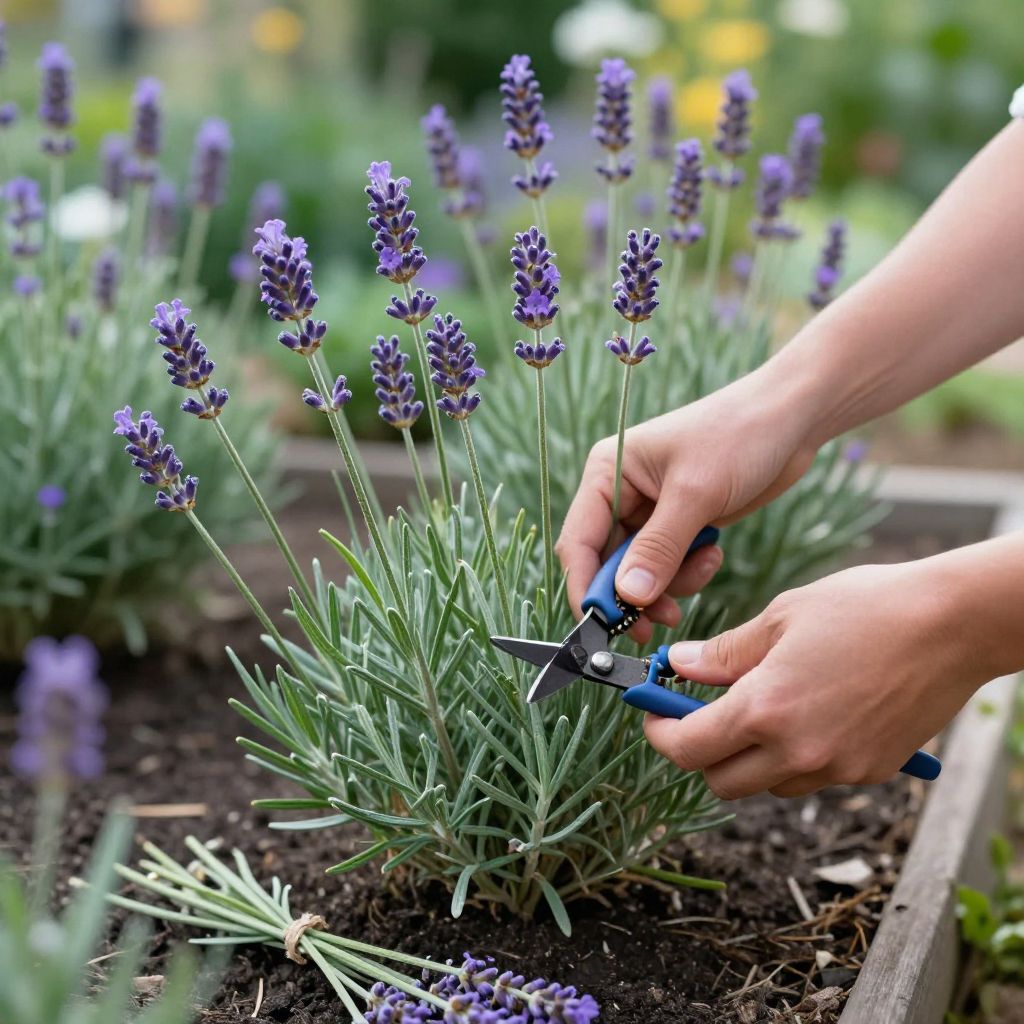
Wondering when to harvest lavender so you get the best scent, color, and quality? The right time depends on how you plan to use the flowers, but in most gardens the best harvest window is when the buds are formed, just before the blooms fully open.
Cutting at the right stage helps preserve fragrance and reduces stem and flower loss. It also gives you cleaner bundles for drying, fresh arrangements, or sachets, while keeping the plant healthy enough to keep growing well.
When to harvest lavender?
Harvest lavender when the flower spikes are mostly formed and the lowest florets on each stem are just beginning to open, or are still tightly closed if you want the strongest scent for drying. Pick on a dry morning after the dew has evaporated, and avoid harvesting after rain or during extreme heat.
How to tell lavender is ready
The exact timing varies with climate, variety, and how established the plant is. Instead of using a calendar date, check the plant itself.
Signs the stems are ready
- Flower buds are plump and colored, but most blooms have not opened yet.
- The stem feels firm and upright, not soft or floppy.
- The plant has a strong scent when you brush the flower heads.
- Bees and pollinators may be active, but the flowers are not yet fully spent.
Best stage for different uses
- For drying: harvest when about one-third of the florets on the spike are open, or just before that for the most intense fragrance.
- For fresh bouquets: cut a little earlier than full bloom so the flowers last longer indoors.
- For culinary use: pick unopened or barely opened buds for a cleaner, less bitter flavor.
- For essential oil or strong scent bundles: harvest at early bloom, when oils are usually at a good balance of fragrance and flower color.
What time of day is best for harvesting?
The best time is late morning on a dry day, after the dew has dried but before the afternoon heat becomes intense. This helps protect the flowers from excess moisture and reduces the chance of mold during drying.
If you harvest in the evening, the stems may still hold more moisture. That is not ideal if you plan to dry the flowers, though it can still work for immediate indoor use if you process them quickly.
How to harvest lavender step by step
Use clean, sharp snips or pruners. Dull tools can crush stems and make the plant slower to recover.
- Choose a dry day and inspect the stems for the right bloom stage.
- Cut in the morning once dew has lifted.
- Take long stems if you want bunches, or shorter cuts if you only need small amounts.
- Harvest above leafy growth, leaving enough green growth on the plant to keep it vigorous.
- Gather stems loosely so the flower heads are not crushed.
Do not cut deep into old woody stems with no leaves. Lavender usually resprouts best from green growth, and cutting too far back into bare wood can leave the plant weak or patchy.
How much to cut from the plant
As a general rule, harvest only part of the plant at one time. A healthy lavender plant can usually handle regular cutting, but you should still leave plenty of leafy growth so it can photosynthesize and recover.
For established plants, many gardeners cut flower stems and a little of the soft green growth below them. Avoid removing all the foliage from any one plant, especially if it is young, stressed, or newly planted.
Harvesting young vs. mature plants
- First-year plants: keep harvesting light. Let the plant focus on rooting and branching.
- Established plants: you can take more stems, but still leave healthy foliage behind.
- Overgrown plants: harvest carefully and prune in the proper season to help reshape them.
Seasonal timing: when lavender usually blooms
Lavender bloom time depends on your climate and the type you grow. In many temperate gardens, flowering begins in late spring to midsummer, but warm regions may see earlier bloom and cooler areas may see later bloom.
Because weather affects flowering, check the plant weekly once buds start forming. A warm spell can move bloom time forward quickly, while cool or cloudy conditions can slow it down.
How climate affects harvest time
- Hot, dry regions: flowers may open quickly, so watch closely.
- Cooler climates: the harvest window may be longer and later.
- Rainy periods: delay cutting until stems dry to reduce mold risk.
- Container-grown plants: may flower earlier or later depending on sun exposure and root space.
Best practices for drying harvested lavender
If you want dried lavender, handle it gently right after cutting. The fresher and drier the stems are when you start, the better they usually dry.
- Remove damaged leaves and weak stems.
- Bundle small bunches loosely so air can move through them.
- Hang bundles upside down in a dark, dry, well-ventilated place.
- Keep them out of direct sun to protect color and fragrance.
- Check for complete dryness before storing.
Lavender is dry enough when the stems feel crisp and the flower heads crumble easily. Store dried flowers in airtight containers away from heat and light.
Common mistakes to avoid
Harvesting lavender is simple, but a few common errors can reduce quality or stress the plant.
- Waiting too long: fully open flowers often shed more and may have a less concentrated scent for drying.
- Cutting when wet: moisture increases the risk of mold and poor drying.
- Using blunt tools: crushed stems heal poorly and look untidy.
- Cutting into old wood: lavender often struggles to regrow from bare woody stems.
- Harvesting too much at once: this can weaken young or stressed plants.
How harvesting fits into lavender care
Harvesting is also a form of pruning, and that matters for long-term plant health. Regular cutting after bloom can help keep lavender compact and encourage better branching, but timing matters.
After flowering, many gardeners trim lightly to remove spent stems and shape the plant. In the right season for your climate, this helps prevent the shrub from becoming leggy. Avoid heavy pruning into old wood unless you know the plant can tolerate it.
Growing conditions that improve harvest quality
- Full sun: lavender flowers best with plenty of direct light.
- Well-drained soil: soggy roots can weaken the plant and reduce bloom quality.
- Moderate watering: established plants prefer drying slightly between waterings.
- Low to moderate fertility: overly rich soil can produce leafy growth with fewer flowers.
If your lavender is producing weak stems or sparse blooms, check drainage and sunlight first. Poor light and wet soil are common reasons plants underperform at harvest time.
What to do if the flowers are past peak
If you missed the ideal harvest window, you can still use the stems, but the quality may be lower. Fully open flowers are fine for quick indoor use, casual bunches, or short-term decoration.
For drying, however, very mature blooms may drop petals more easily and lose some fragrance. In that case, harvest what remains and dry it immediately, or leave the plant for pollinators and wait for the next flush if your climate allows repeat bloom.
Quick harvest checklist
- Check for buds that are colored and nearly open.
- Choose a dry morning after dew has gone.
- Use clean, sharp snips.
- Cut above leafy growth, not deep into woody stems.
- Handle stems gently and dry them quickly if needed.
Conclusion
The best answer to when to harvest lavender is: pick it when the buds are formed and just beginning to open, on a dry morning, before the flowers are fully spent. Watch the plant rather than the calendar, and you’ll get better scent, better drying results, and a healthier shrub.
If you want to keep improving your lavender patch, it also helps to learn more about lavender pruning and growing conditions so your plants stay productive year after year.