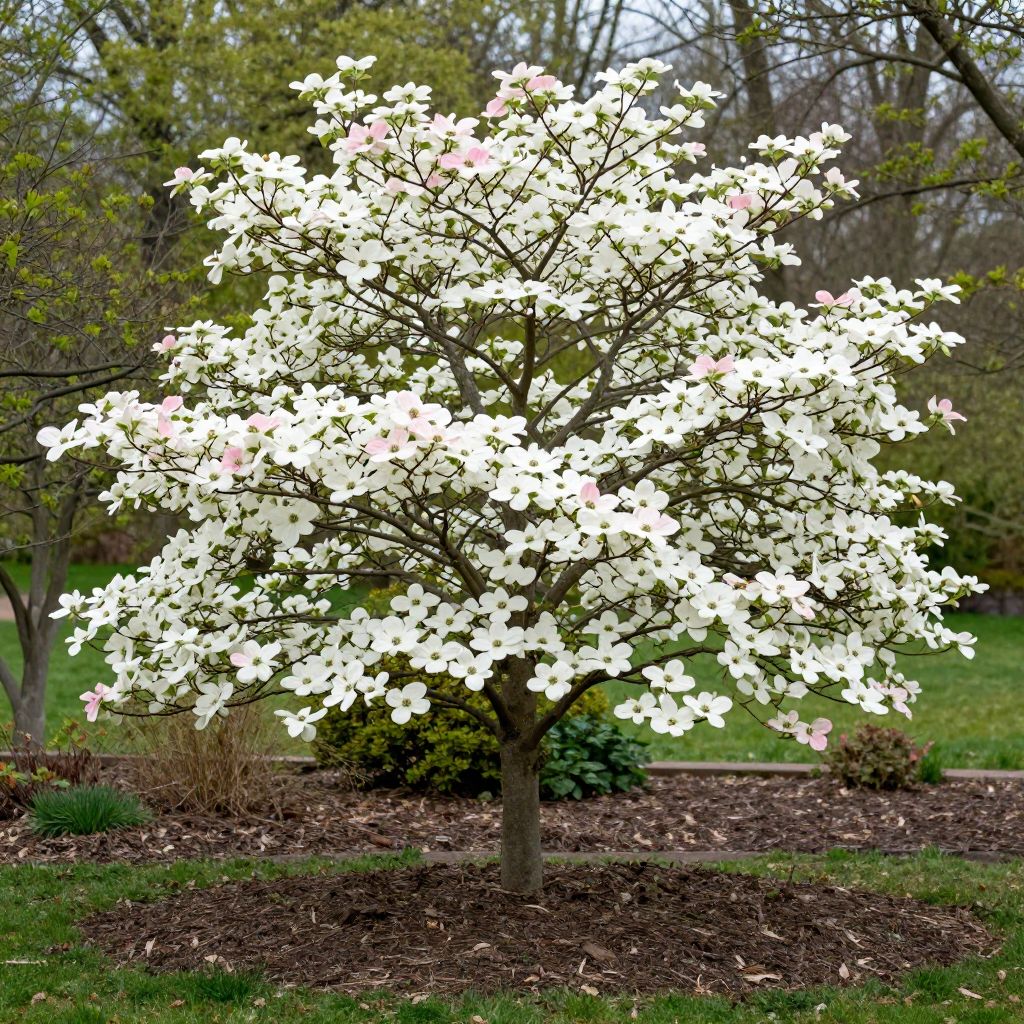
Wondering when do dogwoods bloom in your garden? The short answer is that most dogwoods flower in spring, but the exact timing depends on the species, your climate, and the weather that year. Some bloom in early spring before the leaves fully open, while others flower a little later.
If your tree is not blooming when you expect, the cause is often sunlight, pruning, winter injury, or stress from drought or poor soil. With the right growing conditions, dogwoods can put on one of the most reliable and beautiful spring displays in the landscape.
When do dogwoods bloom?
Most ornamental dogwoods bloom in spring, often from late March through May in many temperate regions. Flowering dogwoods usually bloom before or as the leaves emerge, while some shrubby dogwoods bloom later in spring or even into early summer. Local temperatures, variety, and plant age all affect the timing.
What affects dogwood bloom time?
Dogwood bloom timing is not fixed on the calendar. A warm spring can push flowers earlier, while a cold snap can delay buds or damage them.
Species matters
Different dogwoods bloom at different times:
- Flowering dogwood (Cornus florida) usually blooms in early to mid-spring.
- Pacific dogwood (Cornus nuttallii) also blooms in spring, often a bit later depending on climate.
- Kousa dogwood (Cornus kousa) generally blooms later in spring, after flowering dogwood.
- Shrubby dogwoods may bloom in late spring or early summer, depending on the species.
Climate and weather shift the schedule
In warmer zones, buds may open earlier. In cooler areas or exposed sites, bloom can be delayed by several weeks. Late frosts can also bruise or blacken flowers, even if the tree was ready to bloom.
Age and plant health matter
Young dogwoods may need time to settle in before they bloom well. A newly planted tree often focuses on roots first, so sparse flowering in the first few years is common.
How to tell if your dogwood is about to bloom
As buds swell in late winter or early spring, you may notice the flower buds becoming plumper and more rounded than leaf buds. On flowering dogwood, the showy bracts open around the tiny true flowers in the center. If buds stay tight and dry, the tree may be stressed or the season may simply be running late.
Signs bloom is near
- Buds enlarge and soften in texture.
- Flower buds are often fuller than leaf buds.
- New growth begins, but flowers may open first or alongside leaves.
- Bracts start to show color before fully opening.
Best growing conditions for better flowering
Dogwoods bloom best when they are planted in the right spot and kept healthy year-round. Good light, steady moisture, and well-drained soil all support stronger flowering.
Sunlight
Most dogwoods do best in morning sun and afternoon shade, especially in warmer climates. Too much shade can reduce bloom, while harsh all-day sun can stress the tree and scorch leaves.
Soil
Dogwoods prefer soil that is rich in organic matter, evenly moist, and well drained. They do poorly in compacted or waterlogged ground. If your soil is heavy clay, improve it with compost and plant on a slight mound or raised bed area if drainage is poor.
Watering
Even established dogwoods benefit from consistent moisture during dry spells. The goal is moist, not soggy, soil. Deep watering is better than frequent shallow sprinkling because it encourages deeper roots.
Mulch
A 2- to 3-inch layer of mulch helps hold moisture and keeps roots cooler. Keep mulch a few inches away from the trunk so bark stays dry and air can circulate.
Why a dogwood may not bloom
If your dogwood is healthy-looking but not flowering, the problem is often one of a few common issues. The good news is that many of them can be corrected.
Too much shade
Dogwoods growing in deep shade may produce leaves but few flowers. If possible, improve light by thinning nearby plants or choosing a better site for future planting.
Improper pruning
Heavy pruning at the wrong time can remove flower buds. Dogwoods are best pruned lightly, and only when needed. Avoid hard pruning in late winter or early spring if you want blooms.
Winter or frost damage
Late freezes can kill flower buds before they open. If buds were damaged, the tree may leaf out normally but bloom poorly that year. There is usually nothing to do except protect the tree better next season.
Drought stress
Dry soil during bud formation can reduce flowering. A stressed tree may conserve energy instead of making a strong bloom display.
Too much nitrogen
Excess fertilizer, especially high-nitrogen lawn feed, can push leafy growth at the expense of flowers. If your dogwood is near turf, avoid overfeeding the lawn right around the root zone.
How to care for dogwoods so they bloom well
Good care is the best way to improve flowering over time. Focus on root health, moderate light, and minimal stress.
- Plant in the right place. Choose a site with morning sun, afternoon shade, and well-drained soil.
- Water deeply during dry weather. Keep the root zone evenly moist, especially for younger trees.
- Mulch annually. Refresh mulch as needed, but keep it off the trunk.
- Avoid overfertilizing. Use compost sparingly if soil needs improvement, rather than pushing growth with too much nitrogen.
- Prune only when necessary. Remove dead, damaged, or crossing branches after flowering or during dormancy, depending on the species and your local climate.
When to prune dogwoods
For spring-flowering dogwoods, the safest approach is usually to prune right after bloom if shaping is needed. That way, you are less likely to remove next year’s flower buds. Remove dead wood any time you notice it.
Common pests and diseases that affect bloom
Some pests and diseases weaken the tree enough to reduce flowering. Catching problems early helps preserve vigor and next season’s buds.
Dogwood anthracnose
This serious fungal disease can cause leaf spots, dieback, and overall decline. Trees under stress are more vulnerable. Good air circulation, proper watering, and prompt removal of infected debris can help reduce pressure, but badly affected trees may need professional diagnosis.
Powdery mildew
Powdery mildew can make leaves look dusty or gray-white. It usually does not kill the tree, but repeated infection can weaken it. Better airflow and avoiding overly shady, crowded sites can help.
Borers and scale insects
Insect pests may stress the tree and reduce flowering over time. Look for dieback, sticky residue, or unusual bark damage. If you suspect a serious infestation, inspect the trunk and branches closely and consider local extension guidance.
Can you grow dogwoods in containers?
Some smaller dogwood types may be grown in large containers for a while, but most flowering dogwoods are better in the ground. Container-grown trees dry out faster and may bloom less reliably if root space is limited.
If you try a container, use a large pot with drainage holes, a quality potting mix, and regular moisture checks. Move the plant to a sheltered spot if your winters are severe, because roots in pots are more exposed to cold damage.
Propagating dogwoods
Home gardeners can propagate some dogwoods from seed, cuttings, or layering, but flowering from seed-grown plants can take many years. If bloom timing matters, buying a named plant from a nursery is usually the faster and more predictable choice.
Quick troubleshooting guide
- Blooms are late: Check whether spring has been cooler than usual or if the tree is in a colder microclimate.
- No flowers, lots of leaves: Reduce shade and avoid excess nitrogen.
- Flowers open then turn brown: Frost or wind may have damaged them.
- Tree looks weak overall: Look for drought stress, root problems, or disease.
- Young tree is not blooming: Give it time to establish before expecting full flowering.
Seasonal care calendar for better blooms
Timing your care to the season helps dogwoods flower more reliably year after year.
Late winter to early spring
Inspect for winter damage, remove dead wood, and watch for swelling buds. Avoid aggressive pruning once buds begin to move.
Spring
Keep the soil evenly moist and monitor for frost risk during bloom. If a hard freeze is forecast, there is little you can do for large landscape trees, but mulched, well-watered plants usually recover better from stress.
Summer
Maintain mulch and water during dry periods. This is when the tree is building energy for future growth and next year’s buds.
Fall
Let the tree harden off naturally. Avoid pushing tender new growth late in the season with heavy feeding or pruning.
Conclusion
So, when do dogwoods bloom? In most gardens, the answer is spring, with exact timing shaped by species, weather, and growing conditions. If your dogwood is not flowering well, start by checking light, moisture, drainage, and pruning history. A healthier site and steadier care usually lead to better bloom in the seasons ahead.
If you want to improve your dogwood care further, it helps to read more about dogwood tree growing basics and common dogwood diseases and management.