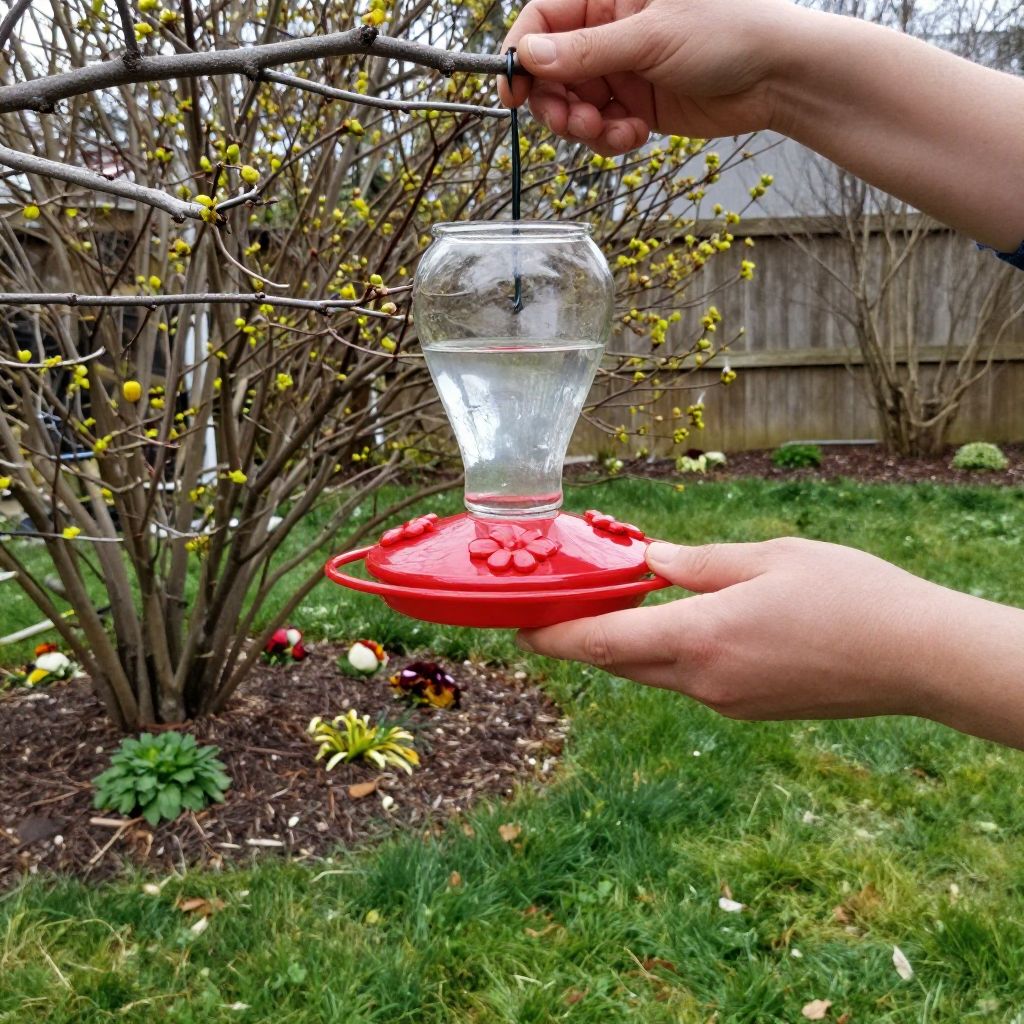
Wondering when to put up hummingbird feeder so you don’t miss the first arrivals? The best timing depends on your climate, but the safest rule is to hang it out before hummingbirds are expected in your area, then keep it clean and filled through the season.
If you set it up a little early, you’re more likely to catch scouts and early migrants. If you wait too long, you may miss the first wave—and once birds find a reliable food source, they often return to it regularly.
When to put up hummingbird feeder?
Put your hummingbird feeder up about 1 to 2 weeks before you expect hummingbirds to arrive locally, and leave it out until a few weeks after the last birds are seen in fall. In warm regions, that may mean nearly year-round; in colder climates, it usually means spring through early autumn.
How to time it by season and region
There is no single date that works everywhere. Hummingbird migration follows temperature, daylight, nectar availability, and local weather patterns, so your timing should match your region rather than the calendar alone.
Spring
In spring, aim to have the feeder ready before the first migrants pass through. A feeder up early does not “force” birds to stay, but it gives tired arrivals an immediate food source.
- Mild climates: You may be able to hang feeders in late winter or very early spring.
- Cold-winter regions: Put feeders out as soon as daytime temperatures are consistently above freezing and you expect migration to begin.
- Mountain or inland areas: Birds often arrive later than in coastal or southern locations, so local sightings matter more than a fixed date.
Summer
Summer is the easiest time to maintain a feeder. Nectar can spoil faster in heat, so placement and cleaning matter more than timing. Keep the feeder in partial shade if possible and check it often during hot spells.
Fall
Do not take feeders down too early in autumn. Many hummingbirds migrate later than gardeners expect, and some species may still be moving through after flowers fade. Leave feeders up for at least 2 to 3 weeks after the last sighting in your area.
Winter in warm climates
If hummingbirds remain in your region through winter, keep feeders available as long as birds are present. In frost-free or mild-winter areas, a feeder can be useful year-round, provided you can keep nectar fresh and accessible.
How to know the right time in your yard
The most reliable timing comes from local observation. Watch for the first signs of hummingbirds rather than relying only on national migration charts, because arrival dates can shift with weather and elevation.
- Check local birding reports or neighborhood sightings.
- Notice when early nectar plants start blooming.
- Watch for males scouting territory in spring.
- Keep feeders ready if you have seen hummingbirds in previous years.
If you live in an area with regular migration, a good habit is to clean and hang the feeder before the earliest expected arrival window. That way, you are prepared even if the birds show up a little ahead of schedule.
What kind of feeder setup works best?
A simple feeder with red accents and easy-to-clean parts is usually best for home gardeners. The goal is not decoration alone, but a safe, visible, low-maintenance feeding station that you can keep sanitary.
Feeder placement
- Hang it where you can see it from a window, but not where birds are constantly disturbed.
- Choose a spot with some shade to slow nectar spoilage.
- Keep it away from dense cover where cats can hide.
- Provide nearby perches, shrubs, or small trees if possible.
Height and visibility
Most feeders work well at about eye level to slightly above, as long as they are easy for you to reach and clean. Hummingbirds will use feeders placed higher or lower, but accessibility for maintenance is the real priority.
What nectar and maintenance do hummingbirds need?
Use a simple nectar made from plain white granulated sugar and water. The common home mix is 1 part sugar to 4 parts water, which is close to the sugar concentration of many natural nectar sources. Avoid dyes, honey, and artificial sweeteners.
Basic feeder care
- Mix nectar with clean water and dissolve the sugar fully.
- Fill the feeder only with what birds can likely use in a few days.
- Rinse and refill regularly, especially in warm weather.
- Wash the feeder thoroughly before mold, slime, or fermentation develops.
Cleanliness matters more than fancy feeder features. Spoiled nectar can harm birds and may cause them to avoid the feeder entirely.
How often to clean it
- Hot weather: Check daily and clean every 2 to 3 days if nectar turns cloudy or sticky.
- Mild weather: Clean about twice a week, or sooner if needed.
- Cool weather: You may be able to stretch cleaning intervals a little, but still inspect often.
Common mistakes to avoid
Many feeder problems come from poor timing or poor upkeep, not from the feeder itself. A few simple habits will make your setup much more successful.
- Putting the feeder up too late: You may miss the first migrants.
- Taking it down too early: Late migrants can lose an important food source.
- Using dirty nectar: This is one of the fastest ways to discourage birds.
- Using too much sugar: Overly strong nectar is not a better food source and can be harmful.
- Placing it in full sun all day: Heat shortens nectar life and encourages spoilage.
- Using pesticides nearby: Hummingbirds feed on insects too, and chemical drift can reduce food sources.
How feeders fit into a hummingbird-friendly garden
A feeder works best as part of a broader garden plan. Hummingbirds also rely on nectar-rich flowers, small insects, shelter, and safe resting spots.
Plant choices that support hummingbirds
Choose a mix of flowering plants that bloom at different times so your garden offers food beyond the feeder. Tubular flowers and long-blooming plants are especially useful because they match hummingbirds’ feeding style.
- Spring bloomers for early arrivals
- Summer flowers for peak activity
- Late-season plants to support migration
Native plants are often the best long-term choice because they are adapted to local conditions and typically support more insects, which hummingbirds also eat.
Garden maintenance that helps
- Mulch beds lightly to conserve moisture around flowering plants.
- Water deeply during dry spells so blooms keep coming.
- Deadhead spent flowers if that encourages more flowering on the plant.
- Avoid broad-spectrum insecticides near feeding areas.
Troubleshooting feeder problems
Birds are not visiting
If the feeder is new, birds may need time to find it. Make sure it is visible, clean, and placed near flowering plants or a known flight path. If possible, keep it in the same spot once birds begin using it.
Nectar goes bad quickly
Move the feeder into more shade, reduce the amount you fill at one time, and clean it more often. Hot weather can spoil nectar fast, especially in shallow or poorly sealed feeders.
Ants or bees are a problem
Use feeder designs with ant guards or built-in bee protection, and avoid dripping nectar on the outside. If bees become persistent, relocate the feeder slightly or choose a model with narrower feeding ports.
Feeder leaks or drips
Check that the feeder is assembled correctly and not overfilled. Leaks waste nectar and can attract insects. A slight vacuum-seal issue or damaged gasket is often the cause.
Simple seasonal checklist
If you want a practical routine, use this easy seasonal approach to decide when to put up hummingbird feeder and how to keep it useful.
- Before expected arrival: Clean feeder, mix fresh nectar, and hang it up.
- During the season: Refill, rinse, and inspect regularly.
- In peak heat: Watch for spoilage and move the feeder into shade if needed.
- In fall: Keep it up after the last sighting in case migrants are still passing through.
- After the season: Clean thoroughly, dry completely, and store or prepare for year-round use if your climate allows.
Conclusion
The best answer to when to put up hummingbird feeder is simple: do it before hummingbirds arrive in your area, not after. Then keep it clean, visible, and available through the migration season so birds can rely on it when natural nectar is scarce.
If you want to build a fuller hummingbird habitat, consider pairing your feeder with nectar-rich plantings and regular garden care that supports blooms and insects throughout the season.