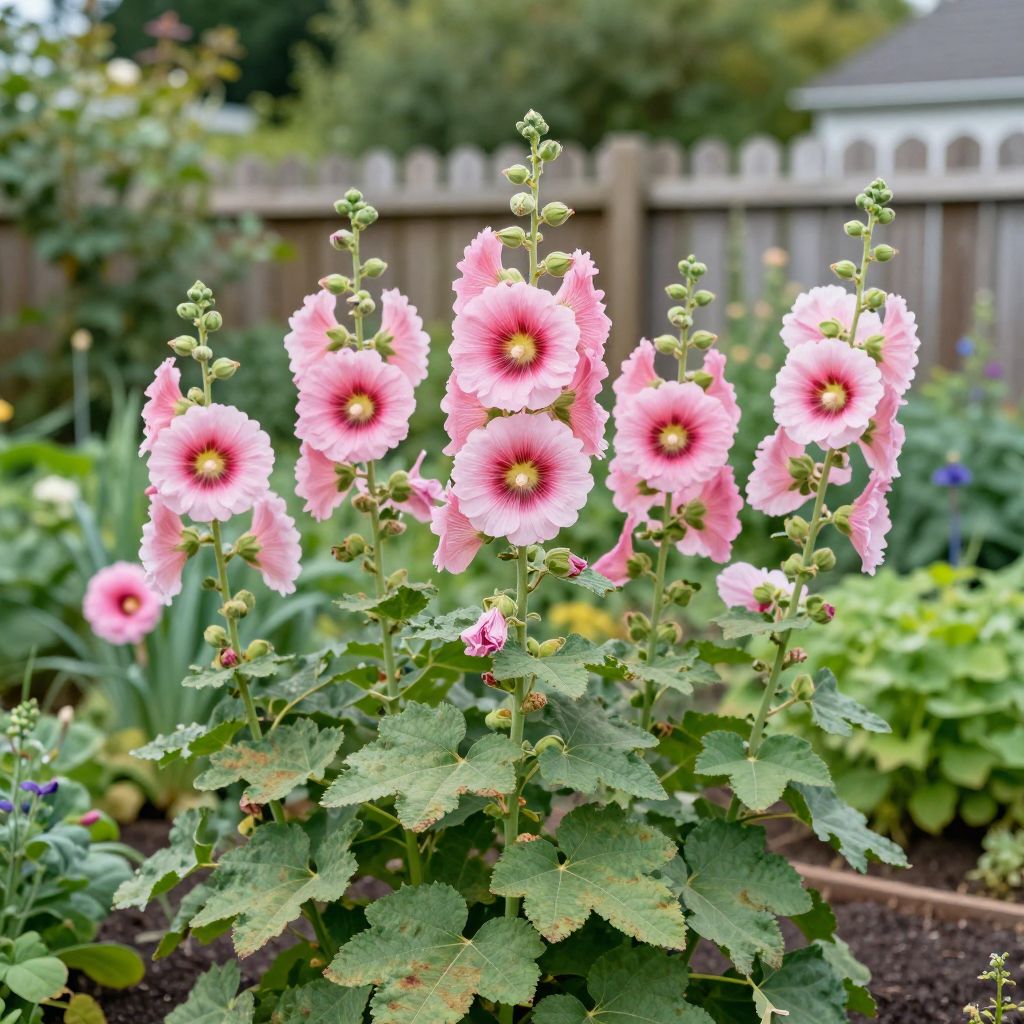
Wondering when do hollyhocks bloom? The short answer is that most hollyhocks flower in summer, usually from early to midseason depending on climate, planting time, and the plant’s age. Some bloom a little earlier or later, and first-year flowering is less reliable unless you start with established plants or certain cultivars.
If your hollyhocks are leafy but not blooming, the cause is often timing, light, or stress rather than a serious problem. With the right site and care, these classic cottage-garden flowers can put on a tall, colorful show along fences, walls, and borders.
When do hollyhocks bloom?
Hollyhocks (Alcea rosea) typically bloom in summer, often from late spring into mid- or late summer in cooler regions, and earlier in warmer climates. Most are biennial or short-lived perennials, so many plants spend their first season building roots and leaves before flowering the next year.
What affects hollyhock bloom time?
Several factors change when hollyhocks bloom, especially the plant’s age, your climate, and how much sun it gets. A healthy plant in full sun with good drainage usually flowers on schedule, while shade, poor soil, or drought can delay blooming or reduce the number of flower spikes.
Plant age and life cycle
Many hollyhocks are biennials, which means they grow foliage the first year and bloom the second. Some varieties act like short-lived perennials and may bloom for more than one season, but they still often perform best in their second year.
- First year: leafy growth, strong roots, little or no bloom
- Second year: tall flower stalks and peak bloom
- Later years: flowering may continue, but plants can become less vigorous
Climate and location
In cooler climates, hollyhocks often bloom later in summer. In warmer areas, flowering may start earlier, but high heat can shorten the display. Local frost dates, spring temperatures, and summer heat all influence the bloom window.
Sunlight and soil
Hollyhocks bloom best in full sun, which means at least 6 hours of direct light daily. Rich but well-drained soil helps them grow tall enough to flower well, while heavy, waterlogged soil can weaken roots and reduce bloom quality.
How to grow hollyhocks for better flowering
If you want reliable blooms, focus on strong early growth and a good site. Hollyhocks are easiest when planted where they can stay undisturbed, because transplant stress can slow them down and reduce flowering.
Choose the right planting spot
Pick a location with full sun, airflow, and room for tall stems. A fence, wall, or back border works well, especially in windy gardens where the plants may need support.
- Full sun for the best bloom performance
- Well-drained soil to prevent crown and root problems
- Space to allow airflow and reduce foliar disease
- Protection from strong wind if possible
Prepare the soil
Hollyhocks prefer soil that is fertile but not overly rich. Work in compost before planting to improve structure and moisture retention, especially if your soil is sandy or thin. Avoid piling on too much nitrogen, which can produce lush leaves at the expense of flowers.
Water wisely
Young hollyhocks need regular moisture to establish roots, but mature plants dislike soggy soil. Water deeply when the top few inches of soil dry out, especially during dry spells. Try to keep water off the leaves when possible, since wet foliage can encourage disease.
Support tall stems
Many hollyhocks grow 5 to 8 feet tall, and some grow even taller. Stake them early if your site is windy or if the stems begin to lean, because broken flower stalks can end the bloom display quickly.
Seasonal bloom timeline
Hollyhock bloom timing varies, but this general seasonal pattern can help you know what to expect. Use it as a guide, then adjust for your local weather and planting date.
Spring
In spring, overwintered hollyhocks or second-year plants begin sending up tall stems. This is the stage when you should watch for buds and keep the soil evenly moist, especially if spring is dry.
Early summer
Many hollyhocks begin opening their first flowers in early summer. In cooler gardens, this may be the main start of the bloom season, while in warmer climates plants may already be flowering by this point.
Midsummer
Midsummer is often the peak bloom period. Flowers usually open from the lower part of the spike upward, so the display can last for several weeks if the plant is healthy and conditions stay moderate.
Late summer
After the first flush, some hollyhocks continue producing side shoots or later flowers, but heat, drought, and disease pressure can shorten the season. Deadheading may encourage a tidier look and sometimes a modest second flush.
Why hollyhocks sometimes fail to bloom
If your hollyhocks are growing well but not flowering, the issue is often cultural rather than genetic. A few common mistakes can delay bloom or stop it altogether.
Too much shade
Hollyhocks stretched toward light often make leaves instead of flowers. Move future plantings to a sunnier site if possible, or prune nearby plants that are shading them too heavily.
Overfertilizing
High-nitrogen fertilizer can push leafy growth and reduce flowering. If you feed hollyhocks, use a balanced approach and avoid repeated heavy feeding unless a soil test shows a real need.
Planting too late
Late sowing or late transplanting can delay the life cycle. If you start from seed, timing matters: plants may need a full season of growth before they are ready to bloom well.
Transplant shock
Hollyhocks dislike root disturbance. If seedlings are moved too roughly or planted when roots are crowded, flowering may be delayed. Handle them gently and transplant early, before the roots become tangled.
Stress from drought or poor drainage
Both dry soil and waterlogged soil can interfere with blooming. Aim for even moisture and good drainage, especially during bud formation and early flowering.
Common pests and diseases that affect bloom
Healthy foliage helps support strong flowers, so it pays to manage the most common hollyhock problems. Some issues are cosmetic, but others can weaken the plant enough to reduce bloom time and flower count.
Rust
Hollyhock rust is one of the most common problems. It often appears as orange or brown pustules on the undersides of leaves, followed by yellowing and leaf drop. Severe rust can weaken the plant and shorten the bloom season.
- Remove badly affected leaves promptly
- Water at the base, not overhead
- Give plants more spacing for airflow
- Clean up fallen leaves at the end of the season
Aphids and Japanese beetles
Aphids can cluster on tender growth and flower buds, while beetles may chew petals and leaves. A strong spray of water can dislodge aphids, and hand-picking or garden-safe controls may help with heavier insect pressure.
Leaf spots and mildew
Poor airflow, crowded planting, and wet foliage can lead to fungal leaf problems. These usually do not stop blooming immediately, but they can weaken the plant over time. Thin crowded plantings and remove infected debris to reduce spread.
How to extend the bloom season
You cannot make hollyhocks flower forever, but you can often stretch the display with good maintenance. The goal is to keep the plant healthy enough to finish its natural bloom cycle without unnecessary stress.
- Plant in full sun with room for air movement.
- Water deeply during dry spells, especially while buds are forming.
- Remove diseased leaves as soon as you notice them.
- Stake tall stems before they flop over.
- Deadhead spent flowers if you want a cleaner look and possible rebloom from side shoots.
- Cut down exhausted stalks after flowering if the plant is finished for the season.
Can hollyhocks bloom the first year?
Sometimes, but not always. Many hollyhocks bloom in their second year, especially if grown from seed. Some modern selections or plants started early indoors may flower the first season, but you should not assume that every seedling will do so.
If first-year bloom matters to you, buy established plants or choose varieties known for faster flowering. Even then, local conditions still matter: cool springs, short seasons, or transplant stress can delay bloom.
Propagation tips if you want more blooms next year
Because hollyhocks often self-seed, you may get new plants without replanting. This can be useful if you want a steady supply of bloom-ready plants in future seasons.
Letting hollyhocks self-seed
If you leave a few flower stalks to form seed, seedlings may appear nearby the following season. This is a simple way to keep the planting going, though the new plants may not be identical to the parent plant.
Starting from seed
Seed-started hollyhocks usually need patience. Sow them according to your local climate, and expect foliage first, blooms later. For best results, give seedlings plenty of light and avoid crowding them.
How to know when blooms are finished
Hollyhock flowers are done when the spike has opened most of its buds and the remaining flowers begin to fade, dry, or drop. At that point, you can deadhead if you want a neater plant, or leave some seed heads if you want volunteers for next year.
After flowering, continue basic care until the foliage naturally declines. If rust or other disease is present, remove infected leaves and clean up debris to protect next season’s plants.
Conclusion
So, when do hollyhocks bloom? Most flower in summer, with the exact timing depending on age, climate, and growing conditions. Give them full sun, well-drained soil, steady moisture, and good airflow, and you’ll have a much better chance of seeing tall, colorful flower spikes at the right time.
If you want to plan your garden around their bloom season, it can also help to read more about how to grow hollyhocks from seed and common hollyhock pests and diseases for healthier plants and a longer-lasting display.