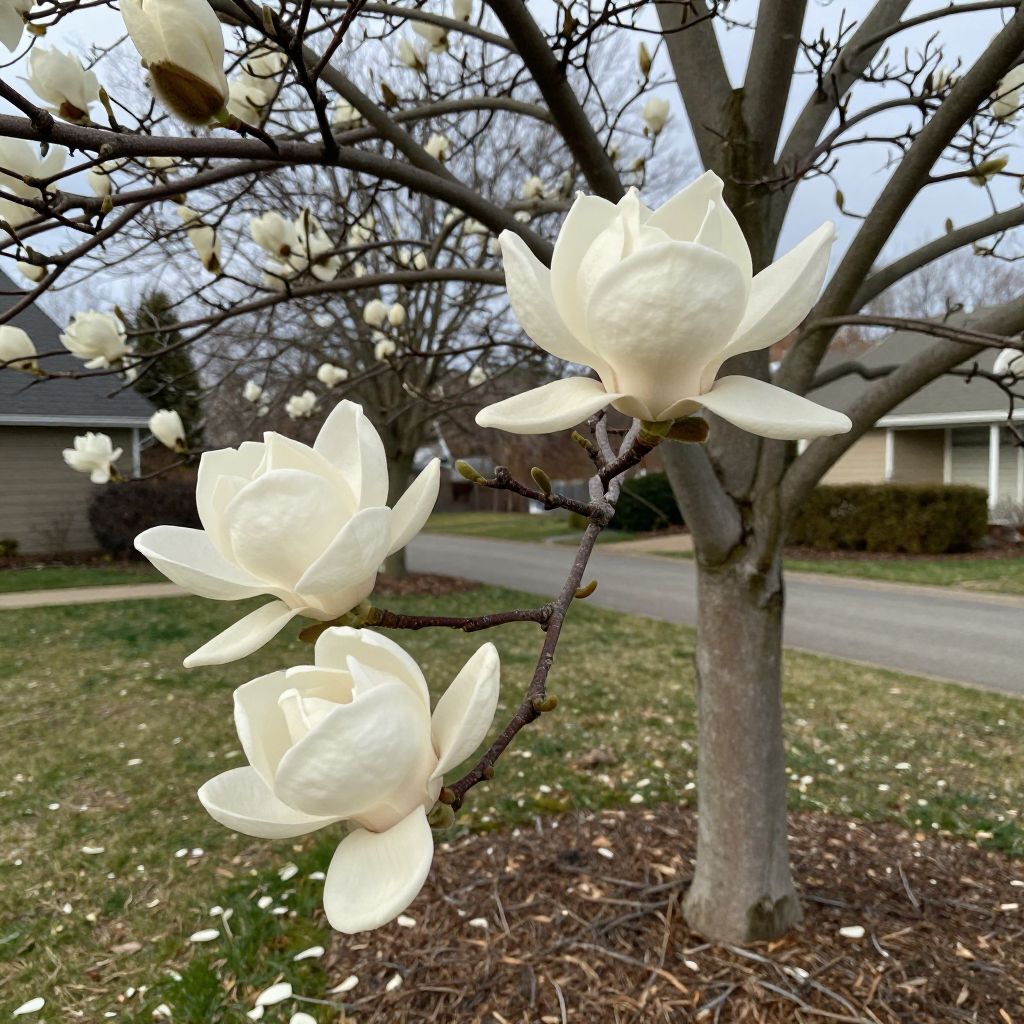
Wondering when do magnolia trees bloom in your garden? The short answer is that most magnolias flower in spring, but the exact timing depends on the species, cultivar, and your local climate. Some bloom very early, even before the leaves open, while others flower later in spring or again lightly in summer.
If your tree is healthy but not blooming on schedule, the cause is often weather, pruning, age, or growing conditions rather than a serious problem. Understanding the bloom cycle helps you choose the right magnolia and care for it in a way that supports better flowering.
When do magnolia trees bloom?
Most magnolia trees bloom in late winter to spring, usually from February through May in many climates. Star magnolias often flower earliest, while saucer and southern magnolias typically bloom in spring or early summer. A few types may produce scattered flowers again later in the season, especially in mild weather.
Bloom timing by magnolia type
Magnolia bloom time varies widely, so the species matters more than the calendar. If you know the exact plant, you can usually predict flowering within a few weeks rather than guessing by season alone.
Common bloom windows
- Star magnolia (Magnolia stellata): very early spring, often before leaves emerge.
- Saucer magnolia (Magnolia x soulangeana): early to mid-spring, often before or as leaves appear.
- Southern magnolia (Magnolia grandiflora): late spring into summer, with large fragrant flowers.
- Sweetbay magnolia (Magnolia virginiana): late spring through summer in many regions.
- Little gem and other compact southern magnolia selections: similar timing to southern magnolia, though bloom length can vary.
In colder climates, magnolias may bloom later than expected because the tree waits for warmer temperatures. In warmer climates, some types may flower earlier and for a longer period.
How weather affects bloom time
Spring weather can shift flowering by days or even weeks. A warm spell may push buds open early, while a late frost can delay blooms or damage them after they open.
- Warm springs often bring earlier blooms.
- Cold snaps can delay flowering or reduce the number of open flowers.
- Wind and frost may brown petals quickly, even if the tree is otherwise healthy.
Why your magnolia may not be blooming
If you are asking when do magnolia trees bloom because yours has not flowered, the issue may be cultural rather than seasonal. Magnolia trees need the right balance of light, moisture, and root conditions to set buds well.
Common reasons for poor flowering
- Tree is too young: many magnolias need several years before blooming reliably.
- Too much shade: reduced sunlight can mean fewer flower buds.
- Pruning at the wrong time: cutting off flower buds can remove next season’s blooms.
- Late frost damage: buds may form but fail to open.
- Too much nitrogen: lush leaf growth can come at the expense of flowers.
- Poor drainage or compacted soil: stressed roots often lead to weak blooming.
Some magnolias also bloom heavily one year and lightly the next. This can happen naturally, especially after a very heavy flowering season or a stressful weather event.
Growing conditions that support better blooms
Healthy magnolia flowers start with the right site. Most magnolias bloom best when they are planted where they can grow steadily without repeated stress to the roots or canopy.
Sunlight
Most magnolias flower best in full sun to part shade. In cooler regions, more sun usually improves bloom production. In hotter climates, a little afternoon shade can help protect flowers and leaves from stress.
Soil and drainage
Magnolias prefer moist, well-drained soil that is rich in organic matter. They do not like sitting in waterlogged ground, which can weaken roots and reduce flowering.
- Work compost into the planting area if the soil is thin or sandy.
- Avoid planting in low spots where water collects after rain.
- Mulch helps hold moisture and keeps roots cooler.
Good drainage is one of the most important factors for long-term bloom performance. A magnolia can survive in average soil, but it usually flowers better when roots are healthy and not constantly stressed.
Watering
Newly planted magnolias need regular watering while they establish, especially during dry spells. Mature trees are more drought-tolerant, but prolonged dryness can still reduce flower production and cause bud drop.
- Water deeply rather than giving frequent shallow sprinklings.
- Keep the root zone evenly moist, not soggy.
- Apply mulch 2 to 4 inches deep, but keep it a few inches away from the trunk.
How to encourage magnolia blooms
If your tree is healthy but not flowering well, a few practical adjustments can help. The goal is to reduce stress and avoid removing the buds that are already forming for next season.
1. Prune at the right time
Many magnolias set flower buds on older wood, so pruning at the wrong time can remove next year’s flowers. If pruning is needed, do it lightly and only after bloom, or in late winter for dead, damaged, or crossing branches if necessary.
- Remove dead or broken branches first.
- Avoid heavy shaping unless the tree truly needs it.
- Do not shear magnolias into a formal hedge if you want abundant flowers.
2. Feed lightly, if needed
Magnolias usually do not need heavy fertilizing. Too much nitrogen can push leafy growth instead of blooms. If growth is weak or soil is poor, a light application of compost or a balanced slow-release fertilizer may help, but follow local soil needs rather than feeding automatically.
3. Protect buds from frost where possible
Early-blooming magnolias are vulnerable to late frosts. You cannot prevent every cold snap, but planting in a slightly sheltered location can help, especially away from low frost pockets and harsh wind exposure.
4. Reduce root disturbance
Magnolias dislike having their roots repeatedly dug around. Try to keep lawn equipment, trenching, and frequent cultivation away from the root zone. A mulch ring is often better than grass growing right up to the trunk.
Planting tips for better future flowering
If you are planting a new magnolia, the site you choose now will affect bloom quality for years. A well-placed tree is much more likely to flower reliably than one planted in a stressful spot.
Best planting practices
- Choose a site with adequate sun and room for mature size.
- Dig a hole wider than the root ball, but no deeper than the root ball height.
- Set the tree so the root flare is near soil level.
- Backfill with native soil and compost only if your soil is poor.
- Water thoroughly after planting.
- Mulch around the base, keeping mulch off the trunk.
For container-grown magnolias, loosen circling roots before planting if they are visible. A root-bound tree may establish slowly and bloom poorly for a few seasons.
Common bloom problems and how to troubleshoot them
When a magnolia does not bloom as expected, look at the whole plant and its site. The problem is often visible if you know what to check.
Flower buds are present but never open
This usually points to frost, drying winds, or sudden weather swings. It can also happen if the tree is under drought stress at bud break.
The tree flowers only at the top
That often means the lower branches are shaded or older interior growth has thinned out. It may also indicate past pruning removed lower flowering wood.
The tree has lots of leaves but few flowers
Too much shade, too much nitrogen, or overly vigorous growth can reduce bloom set. Check the light level and avoid overfeeding.
There are no buds at all
The tree may be too young, recently transplanted, or recovering from stress. Some magnolias need time to settle in before they bloom well.
Pests and diseases that can affect flowering
Magnolias are generally sturdy, but stressed trees may bloom less. Most pest and disease issues are not severe, but they can weaken the plant enough to affect flower production.
Watch for these issues
- Scale insects: can weaken growth and leave sticky residue.
- Spider mites: more common in hot, dry conditions.
- Leaf spots: usually cosmetic, but severe cases can stress the tree.
- Root stress from poor drainage: often the biggest long-term problem.
If you suspect a pest or disease issue, inspect leaves, stems, and the soil around the roots. Healthy magnolias usually recover better when the underlying stress is corrected early.
Can you grow magnolias in containers?
Some smaller magnolia selections can be grown in large containers, but container plants usually bloom best when they have enough root space and consistent moisture. Pots dry out faster than garden soil, so flowering can suffer if the plant is neglected during warm weather.
- Use a large container with drainage holes.
- Choose a high-quality potting mix with good aeration.
- Water carefully, especially in hot or windy conditions.
- Repot or root-prune as needed when the plant becomes crowded.
Container magnolias may need more winter protection in cold climates, since roots in pots are more exposed to freezing temperatures.
What to expect after flowering
After magnolia blooms fade, the tree shifts back to leaf growth and root support. This is a good time to assess overall health, remove only damaged wood if needed, and keep the tree evenly watered through dry periods.
Do not be alarmed if petals drop quickly after a warm rain or wind event. That is normal and does not mean the tree is unhealthy.
Conclusion
So, when do magnolia trees bloom? Most flower from late winter through spring, though some bloom later depending on the species and climate. If you want more reliable blooms, give your magnolia sun, well-drained soil, steady moisture, and only light pruning.
For more practical tree care guidance, you may also want to read about how to prune flowering trees correctly and choosing the best mulch for landscape trees.