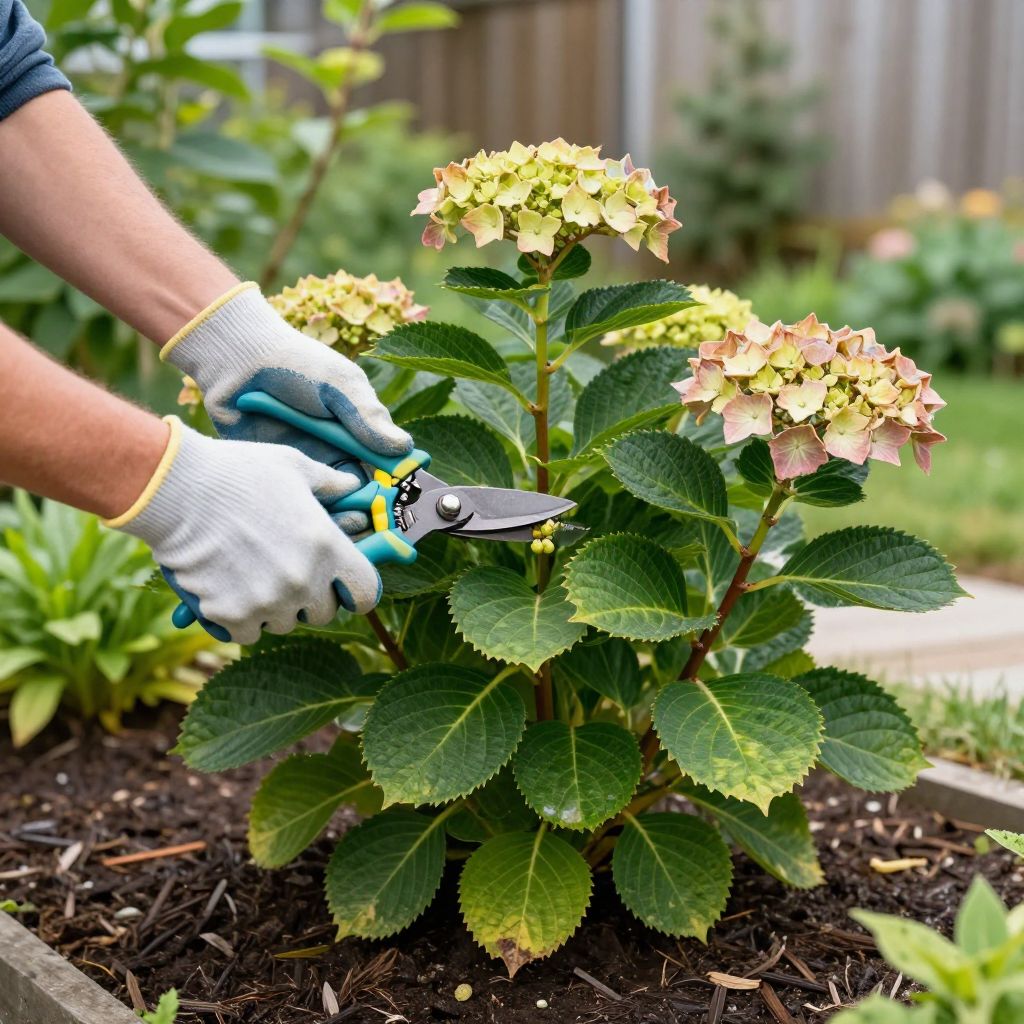
If you’re wondering when do you trim hydrangeas, the short answer is: it depends on the type of hydrangea you grow and whether it blooms on old wood or new wood. Trim at the wrong time, and you can remove next season’s flower buds. Trim at the right time, and you’ll improve shape, vigor, and flowering.
The safest approach is to identify your hydrangea first, then prune according to its bloom habit. Some hydrangeas are best trimmed right after flowering, while others can be cut back in late winter or early spring.
When do you trim hydrangeas?
Trim hydrangeas based on when they set flower buds. Old-wood bloomers are usually pruned soon after flowering, while new-wood bloomers can be cut back in late winter or early spring before growth starts. If you are unsure, limit pruning to dead wood and spent blooms until you identify the plant.
How to tell what kind of hydrangea you have
Before you prune, look closely at the plant’s growth habit and bloom time. This matters more than the calendar, because hydrangeas differ widely in when they form buds.
Common pruning groups
- Bigleaf hydrangea (Hydrangea macrophylla) often blooms on old wood, though some newer types rebloom on both old and new wood.
- Oakleaf hydrangea (Hydrangea quercifolia) blooms on old wood and is usually trimmed lightly after flowering.
- Mountain hydrangea (Hydrangea serrata) is also generally an old-wood bloomer.
- Panicle hydrangea (Hydrangea paniculata) blooms on new wood and tolerates harder pruning.
- Smooth hydrangea (Hydrangea arborescens) blooms on new wood and can be cut back in late winter or early spring.
If you do not know the variety, watch when it flowers. Plants that bloom on last year’s stems need gentler timing than those that bloom on current season’s growth.
Best pruning time by hydrangea type
Old-wood bloomers: prune after flowering
For bigleaf, oakleaf, and mountain hydrangeas, trim right after the flowers fade in summer. This gives the plant time to set next year’s buds before cold weather arrives.
- Remove spent flower heads if you want a tidier look.
- Cut out dead, damaged, or crossing stems.
- Lightly shorten wayward shoots only if needed.
- Avoid heavy pruning in fall, winter, or early spring.
These hydrangeas often bloom poorly after hard spring pruning because the flower buds are already formed on older stems.
New-wood bloomers: prune in late winter or early spring
Panicle and smooth hydrangeas usually bloom on new growth, so you can trim them while the plant is dormant or just as buds begin to swell. In many climates, late winter to early spring is ideal.
- Cut back stems to shape the plant and encourage sturdy new shoots.
- Remove weak, crowded, or broken stems at the base.
- Leave enough framework so the plant does not flop under heavy blooms.
Because these hydrangeas flower on current-season growth, pruning them before spring growth starts does not usually reduce bloom.
What to do if you’re not sure which hydrangea you have
If the plant is a mystery, use the least risky method: wait until after flowering and prune lightly. Focus on dead stems, weak growth, and spent blooms rather than major shaping.
- Inspect the stems in late winter for live buds.
- Mark which stems flower in summer.
- After bloom, remove only the oldest, weakest, or damaged stems.
- Save hard pruning for a year when you are certain the plant blooms on new wood.
This cautious approach helps prevent accidental loss of flowers.
How much should you trim?
Hydrangeas usually need less pruning than gardeners expect. In most cases, the goal is to maintain plant health and shape, not to force a dramatic size reduction every year.
Light pruning
Light pruning works well for most hydrangeas and includes deadheading, removing dead wood, and thinning crowded stems. This is often all an established plant needs.
Moderate pruning
Moderate pruning may be useful for panicle and smooth hydrangeas if the plant is too large or has become woody. Cut stems back to a pair of healthy buds or to a strong framework of stems.
Hard pruning
Hard pruning is best reserved for new-wood bloomers. If you cut an old-wood bloomer back severely, you may get lush foliage but few or no flowers that season.
Step-by-step: how to trim hydrangeas safely
Use clean, sharp hand pruners or loppers. Dull tools crush stems and make pruning more stressful for the plant.
- Start with dead or damaged wood. Cut stems back to healthy tissue or to the base if they are dead.
- Remove spent blooms. Snip just above the first pair of healthy leaves or buds if you want a neat finish.
- Thin crowded stems. Take out a few of the oldest canes at ground level to improve air circulation.
- Shape lightly. Shorten long, awkward stems only enough to balance the shrub.
- Step back and reassess. Stop before the plant looks overcut. Hydrangeas recover better from modest pruning than from severe cuts.
Disinfect tools if you are moving between plants with disease problems, especially if you notice cankers, blackened stems, or dieback.
Seasonal timing: spring, summer, fall, and winter
Spring
Spring is the main pruning window for new-wood bloomers and a risky time for old-wood bloomers. If buds are swelling, avoid cutting too much from bigleaf, oakleaf, or mountain hydrangeas.
Summer
Summer is often the best time to trim old-wood bloomers after they finish flowering. It is also a good time to deadhead and remove broken stems after storms.
Fall
Fall pruning should be minimal. In colder climates, late pruning can stimulate tender new growth that may be damaged by frost.
Winter
Winter is fine for dormant pruning on panicle and smooth hydrangeas, but avoid major cuts on old-wood types unless you are removing obvious dead wood.
Growing conditions that affect pruning success
Healthy hydrangeas handle pruning better when they are growing in the right conditions. Good soil, steady moisture, and the right amount of light all influence how much the plant can recover and bloom.
- Soil: Moist, well-drained soil is ideal. Hydrangeas dislike waterlogged roots.
- Compost: A layer of compost can improve soil structure and support steady growth.
- Mulch: Mulch helps conserve moisture and protect roots, especially in hot weather.
- Sunlight: Most hydrangeas prefer morning sun with afternoon shade, though panicle hydrangeas usually take more sun than bigleaf types.
If a plant is stressed by drought, poor drainage, or intense afternoon sun, keep pruning light until it recovers.
Common pruning mistakes to avoid
- Cutting old-wood bloomers in late winter. This can remove the flower buds already on the stems.
- Shearing the whole shrub into a ball. This often creates dense outer growth and weak flowering inside.
- Removing too much at once. Heavy cuts can reduce bloom and make the plant look bare.
- Ignoring dead wood. Dead stems should be removed whenever you spot them.
- Pruning during extreme heat or drought. Stress makes recovery harder.
Problems after pruning and how to fix them
No blooms this year
If your hydrangea did not bloom after pruning, it may have been an old-wood bloomer cut at the wrong time. In that case, leave the plant alone next season and let it grow naturally.
Leggy growth
Leggy stems often mean the plant is reaching for more light. Improve exposure gradually if possible, and prune lightly to encourage branching.
Flopping stems
Some hydrangeas, especially vigorous smooth types, can flop after rain. A moderate early-season trim can help, but avoid overcutting the plant into weak, soft growth.
Winter dieback
Cold damage can kill the tips of stems. In spring, wait until new growth starts before deciding how much to remove, since some stems may still be alive below the damage.
Can you deadhead hydrangeas?
Yes, and deadheading is often the easiest form of trimming. On many types, removing faded flowers improves appearance and can redirect energy into the plant rather than seed heads.
For old-wood bloomers, deadhead carefully and avoid cutting into the next set of buds. For new-wood bloomers, deadheading is less critical but still useful for tidiness.
Propagation and maintenance after pruning
If you remove healthy stems during pruning, you may be able to use some of them for propagation, depending on the type and season. Softwood cuttings are often taken from fresh growth, while hardwood cuttings are handled differently and may take longer to root.
After pruning, water the plant if the soil is dry, and keep the root zone evenly moist while it regrows. A light top-dressing of compost can support recovery, but avoid piling mulch against the stems.
Conclusion
When do you trim hydrangeas? Trim old-wood bloomers after flowering, and trim new-wood bloomers in late winter or early spring. If you are unsure, prune lightly and avoid major cuts until you know how your plant blooms. Check your hydrangea this season, identify its type, and make only the cuts it truly needs.
For more practical plant care, you may also want to read about how to prune shrubs and mulching garden beds.