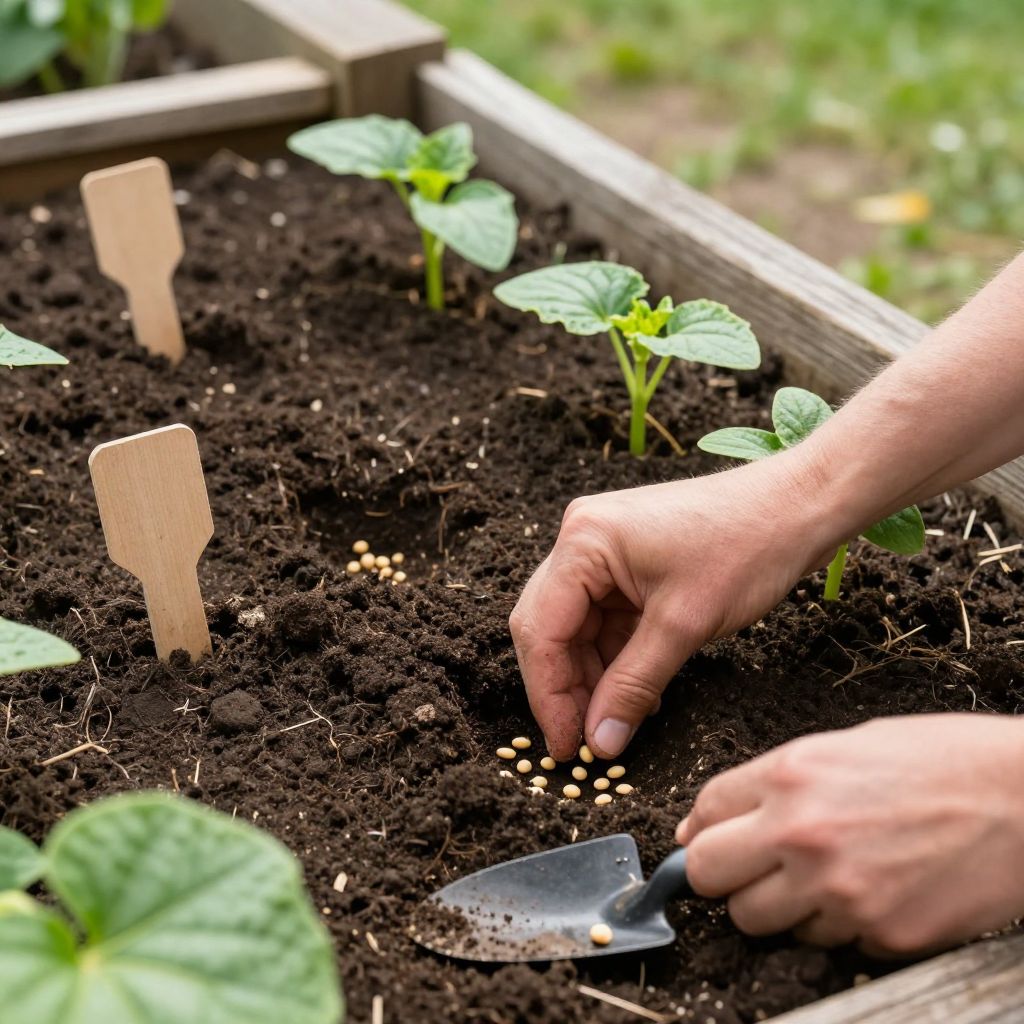
Wondering when to plant cucumber seeds so they germinate well and grow into productive vines? Cucumbers are warm-season vegetables, and timing matters as much as soil quality or watering. Plant too early and cold soil can rot the seed; plant too late and the vines may struggle in extreme heat or run out of time before frost.
The best planting time depends on your local climate, but the goal is simple: sow cucumber seeds only after the soil has warmed and frost danger has passed. You can start seeds indoors a few weeks early, or sow them directly outdoors once conditions are reliably warm. Good timing gives you faster germination, stronger seedlings, and a better harvest.
When To Plant Cucumber Seeds?
Plant cucumber seeds outdoors after the last expected frost, when soil temperatures are consistently at least 60°F, and ideally 70°F or warmer. In cooler climates, start seeds indoors 2 to 4 weeks before transplanting. Cucumbers grow best in warm soil, full sun, and a long frost-free season.
How to Time Cucumber Planting for Your Climate
There is no single calendar date that works everywhere. Your best planting window depends on your average last spring frost, how quickly your soil warms, and how long your growing season lasts.
Use soil temperature, not just air temperature
Cucumber seeds germinate poorly in cold soil. Even if daytime air feels mild, damp ground can still be too chilly for reliable sprouting.
- Minimum soil temperature: about 60°F for germination
- Better germination: 70°F to 95°F
- Too cold: slow sprouting, rot, or weak seedlings
Watch for frost-free weather
Cucumbers are frost-tender. A late cold snap can damage young plants or kill seedlings outright, so wait until nights are consistently warm.
- Direct sow after the last frost date has passed
- Use row cover or cloches only for short-term protection, not as a substitute for warm soil
- If your spring is unpredictable, delay planting a little rather than risk re-sowing
Adjust for short and long seasons
If you live in a short-season area, starting seeds indoors can give you a head start. In hot climates, planting early enough to establish vines before extreme heat can help improve growth and fruit set.
Direct Sowing vs. Starting Indoors
Both methods work, but the right choice depends on your season length and how quickly your garden warms up. Cucumbers dislike root disturbance, so direct sowing is often easiest where spring arrives early and steadily.
Direct sowing outdoors
This is the simplest method for most home gardeners. Sow seeds directly in the garden once the soil is warm and workable.
- Choose a sunny site with well-drained soil.
- Prepare the bed with compost or other organic matter.
- Plant seeds about 1 inch deep.
- Sow 2 to 3 seeds per planting spot.
- Thin to the strongest seedling after germination.
Starting seeds indoors
Start seeds indoors only if you need earlier harvests or have a short growing season. Use biodegradable pots if possible, because cucumbers transplant best when their roots are disturbed as little as possible.
- Start seeds 2 to 4 weeks before your planned outdoor transplant date
- Use small pots or cells with drainage holes
- Keep seedlings in bright light and warm conditions
- Harden them off gradually before planting outside
Important: Do not start cucumber seeds too early indoors. Overgrown seedlings become root-bound, transplant poorly, and often stall after planting out.
Best Growing Conditions for Cucumber Seeds
Cucumbers need warmth, moisture, and sunlight to get off to a strong start. If any of these are missing, germination and early growth can suffer.
Sunlight
Choose a spot with full sun, ideally 6 to 8 hours or more each day. Less light can lead to slow growth, fewer flowers, and smaller harvests.
Soil
Cucumbers prefer loose, fertile soil that drains well but still holds some moisture. Heavy, soggy soil can slow roots and increase disease problems.
- Work in compost before planting
- Avoid compacted ground
- Raised beds can help if your soil stays wet in spring
Moisture
Seeds need steady moisture to germinate, but not waterlogged conditions. Keep the seedbed evenly damp until seedlings emerge.
- Water gently after planting
- Use mulch after seedlings are established to reduce evaporation
- Check soil regularly during dry spells
Step-by-Step Planting Guide
If you want the best chance of success, plant cucumbers with a simple, careful approach. Small details at sowing time make a big difference later.
- Wait for warm soil and no frost risk. This is the most important timing step.
- Prepare the bed. Remove weeds and mix in compost to improve fertility and drainage.
- Make planting spots. Sow seeds about 1 inch deep in hills, mounds, or rows, depending on your garden style.
- Plant extra seeds. Use 2 to 3 seeds per spot in case one fails to sprout.
- Water lightly but thoroughly. Keep the planting zone moist, not saturated.
- Thin seedlings. Once true leaves appear, keep the strongest plant and remove the others if needed.
- Mulch once established. A light mulch helps conserve moisture and suppress weeds.
Common Mistakes to Avoid
Most cucumber problems start with planting too early or giving seedlings the wrong conditions. Avoiding a few common mistakes can save you from poor germination and weak vines.
- Planting in cold soil: Seeds may rot or sprout slowly.
- Overwatering: Wet, airless soil can suffocate seeds and encourage disease.
- Starting indoors too soon: Large seedlings often transplant poorly.
- Transplanting roughly: Damaged roots can stall growth.
- Planting in shade: Cucumbers need strong sun to thrive.
- Ignoring spacing: Crowded vines trap humidity and invite disease.
How to Handle Late Planting
If you missed the ideal window, you may still be able to grow cucumbers successfully. The key is to match the variety and planting method to the time you have left in the season.
For a late spring start
Choose fast-maturing cucumber types if your season is already moving along. Sow directly into warm soil and keep the bed well watered until plants establish.
For a midsummer planting
In warm climates, cucumbers can still do well if planted with enough time before cool fall weather arrives. In cooler regions, late planting may lead to a smaller harvest or unfinished vines before frost.
If the weather turns hot
Very hot weather can stress young cucumbers, especially if the soil dries quickly. Mulch, consistent watering, and afternoon protection from extreme heat can help in especially hot areas.
Watering and Early Care After Planting
After sowing, the goal is even moisture. Once seedlings emerge, keep the roots growing steadily without creating soggy conditions.
- Water at the soil level rather than soaking the leaves
- Keep the top layer of soil from drying out completely during germination
- Water deeply once plants begin to grow, especially during flowering and fruiting
- Mulch after the soil has warmed to help hold moisture
Tip: Water early in the day when possible. This helps foliage dry faster and can reduce disease pressure.
Pests and Diseases That Affect Young Cucumbers
Young cucumber plants can be vulnerable to insects and fungal problems, especially in crowded or damp conditions. Good spacing, airflow, and clean garden habits help prevent many issues.
Common pests
- Cucumber beetles: Can chew leaves and spread disease
- Aphids: Cluster on tender growth and weaken seedlings
- Cutworms: May sever young stems at soil level
Common diseases
- Powdery mildew: Often appears as white coating on leaves later in the season
- Downy mildew: Can cause yellowing and decline in humid conditions
- Root rot: More likely in cold, wet, poorly drained soil
To reduce risk, rotate crops, avoid overhead watering when possible, and remove badly affected plant debris. If you grow cucumbers every year, changing the planting area can help interrupt disease cycles.
Training, Spacing, and Support
How you grow cucumbers affects how much space they need and how healthy they stay. Vining types often perform better with support, while bush types suit smaller gardens or containers.
Trellising benefits
A trellis improves airflow, keeps fruit cleaner, and makes harvesting easier. It can also help reduce some leaf diseases by lifting vines off the soil.
- Install supports before vines get long
- Use soft ties if you need to guide stems
- Space plants so air can move between them
Spacing basics
Follow the spacing guidance on your seed packet when available, since varieties differ. In general, cucumbers need enough room to spread without constant crowding.
When to Harvest After Planting
Harvest timing matters because cucumbers taste best when picked young and tender. If fruit is left too long, it can become large, seedy, and bitter.
- Check plants frequently once they begin producing
- Pick fruit when it reaches the size recommended for the variety
- Use scissors or pruners to avoid tugging the vine
- Harvest often to encourage more fruiting
Frequent picking keeps plants productive and prevents oversized cucumbers from slowing the vine down.
Final Tips for Better Germination
If you want strong cucumber seedlings, focus on warmth, moisture, and timing. Those three factors matter more than almost anything else when starting cucumber seeds.
- Wait for warm soil before sowing outdoors
- Start indoors only when you need a head start
- Use compost-rich, well-drained soil
- Keep seedlings evenly watered and in full sun
- Thin or transplant carefully to avoid root stress
Once you know when to plant cucumber seeds in your area, the rest becomes much easier. Check your frost dates, test soil warmth if you can, and sow only when conditions are right. For more seasonal vegetable-growing guidance, you may also find how to start a vegetable garden and growing vegetables in raised beds helpful as you plan your next planting.